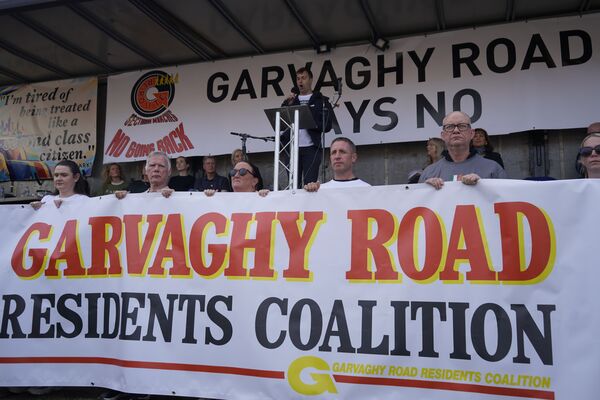
“FOLLOW the money” is sensible advice in all sorts of circumstances. In the case of the Drumcree/Garvaghy Road stand-off, the money leads to the PSNI, whose coffers were drained to the tune of some £3 million.
Imagine if your house and the house on either side of you got £1 million each – it’d be life-transforming. In the case of the policing of Garvaghy Road, it has not so much transformed the life of residents (it wasn’t they who got the money, it was the PSNI in overtime payments) as helped make their lives liveable again.
But while we rejoice that, finally, good common sense appears to have prevailed, we'd be sadly wrong to think that’s the end of it, roll the credits, sound the big final chorus. There are continuing dangers surrounding Orange marches.

The fear is that other flashpoints, which have hacked out hard-won agreements that appear to have worked, might explode into attempts at triumphal marching. You say you think all the other parades have been satisfactorily resolved, Virginia? Alas, not so. They are like rooms stuffed with explosives, the door locked, but a constant small flame fluttering and ready should the door ever be opened.
So what should we do? Count our blessings at the avoidance of serious and widespread violence, or do what we can to see that we don’t come so near the brink again?
This may sound like milk-and-water Alliance Party talk, but structures should be put in place so that Protestant Orangemen have an opportunity to meet with Garvaghy Road residents and, no, not tell each other how they feel and swap stories of pain and resolve never to do the same. I’m talking about something more practical and effective than that.
Community groups from across the divide should be given the chance to work together on a project that will benefit both sides. It doesn’t matter what it is, and the benefits don’t have to be massive, but it’d give both sides a chance to know the face behind the sash.
So much of our animosity springs from a detestation of the trappings. The trick would be to get past that, focus on an obvious good for both sides and go at it a hard as you can. Gregory Campbell a long time ago said that if you’re sitting beside someone during the day, every day, you’re less likely to want to stone them or burn them out of their home after school. For once I agree with Gregory.
We don’t have to love our neighbours, although that’s an interesting Christian concept. We just have to know in our bones that they’re like us, human beings, and go from there. It’s amazing how difficult it is to hate all Taigs or detest all Prods when there’s a Taig or Prod you meet every day and who may turn out to be quite a decent and maybe even a fun person.
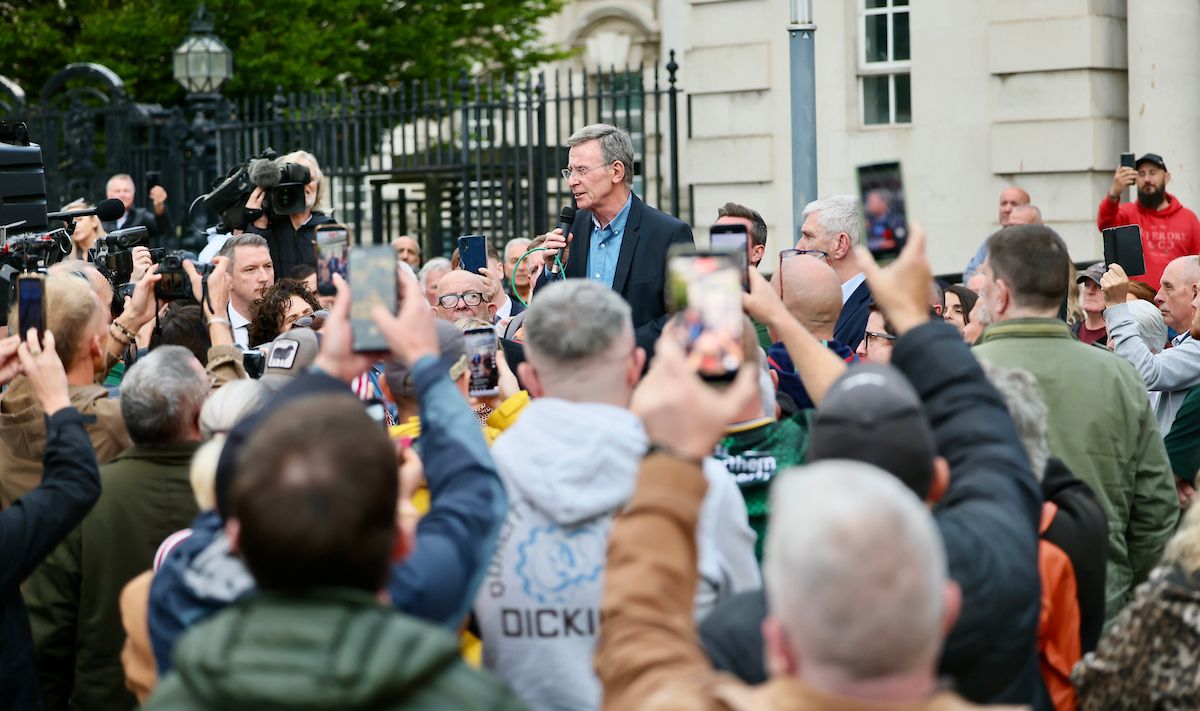
If you doubt me, check out the Orangemen who were hoping to march down the Garvaghy Road before the British Secretary of State said that nobody would be allowed to unlock the door of that room full of gunpowder and lob a fiery lamp on it. The Orangemen we saw were so normal and ordinary in the way they looked and sounded that it was hard to understand how they could be so deeply involved in an organisation that wants to tip us all over the brink.
We all have the capacity for good and evil within us. Chris Bryant’s ruling against an Orange march down the Garvaghy Road gives us all a chance to show what stuff we’re made of, how willing we are to extend the hand of friendship to those who see the world differently. Yes, we should outlaw actions that would set the gunpowder booming. Equally, though, we should be working to reinforce the solidity of the door and throw away the key. Or better still, extract the gunpowder and render it harmless.
It’s no more than common sense – that is the sense of right and wrong we all have and which we should have sufficient vision to choose and work for.