A SUICIDE prevention fund is urgently required for the north, according to the executive director of Samaritans Ireland.
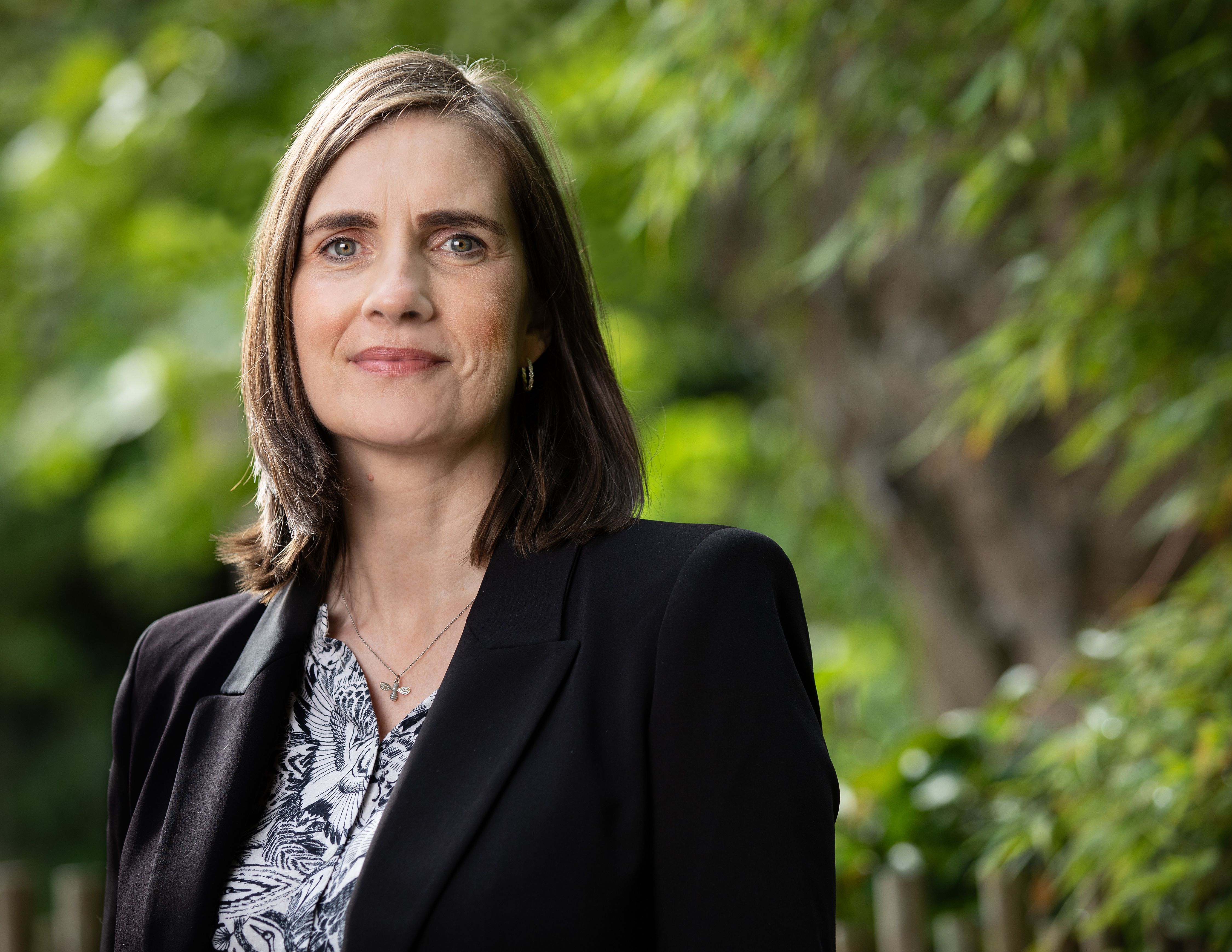
In an interview with this newspaper Sarah O’Toole talked about the commonality in challenges people face across the island and some of the differences that exist in how all this is resourced.
Samaritans Ireland is a free emotional support helpline open 365 days a year for anyone in crisis.
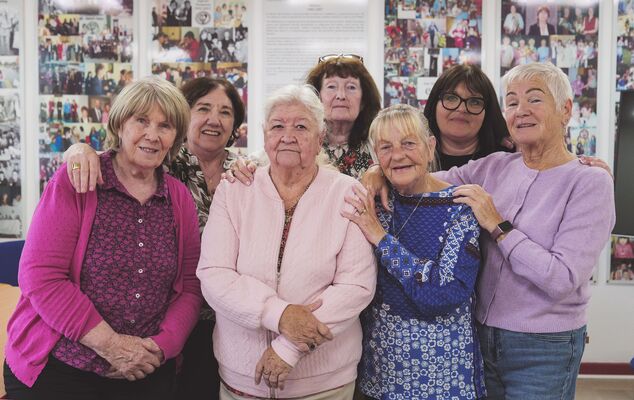
Samaritans was founded in England and has grown from grassroots community level to be a source of support across both islands with over 20,000 volunteers and 200 branches.
Eight branches in the north, and 17 locations are dotted around the rest of Ireland, with more than 2,000 people making themselves ready to take calls at any time.

Sarah said volunteers collaborate across the island to “share learning, ensure we are delivering the service required, so there is great cross-border working, just naturally it has happened, for well over 60 years”.
“It has kind of always been there. There has never been a barrier to working together.”
Mental health, isolation or loneliness, and family issues present as the top three issues across both jurisdictions, “particularly in Northern Ireland”.
“People call us often times not for one reason but for a myriad of things that are happening in their life that has pushed them to the space where they are finding it really hard to cope and they are struggling,” Sarah said.
“It’s a real challenge. Our message is around finding someone you can share your concerns with, reaching out to Samaritans.”
There is a difference in how data is recorded on either side of the border so it’s hard to make a comparison but annually there are very high suicide numbers, in the hundreds, in both jurisdictions.
The north records one of the highest suicide rates across both islands.
“We know from ‘Lost Futures’ research we have conducted in Northern Ireland that poverty, unemployment, social inequality, all of those issues, contribute to suicidal behaviour in Northern Ireland,” Sarah said.
“There are recommendations from that research for government departments to work together, because suicide is not just an issue for the Department of Health.
“People who are struggling to cope are struggling to cope not just about how they are feeling in their mental health but it’s also issues around housing, education, poverty.
“So, we have to look at that social context and meet people where they are at.”
A major area of difference at the moment is the funding of mental health and suicide prevention services across the island.
Earlier this month the Irish government allocated an additional €108m to mental health, equalling a seven per cent increase on last year's investment, bringing overall mental health funding to €1.657bn (over six per cent of the total health budget).
There is also:
Increased resourcing for early intervention, community-based specialist services, crisis supports and new ADHD pathways in CAMHS.
33,000 extra hours of free counselling for men, young people and the LGBTQ+ community.
Investment in targeted suicide prevention initiatives to support the Traveller community.
Expansion of clinical services for Mental Health Intellectual Disabilities.
Extension of patient advocacy services to mental health settings.
Suicide prevention south of the border is also led by one body – the National Office of Suicide Prevention (NOSP), which funds and oversees all the organisations and charities, which Samaritans Ireland report back to quarterly.
The recently released suicide prevention strategy, Connecting for Life, also very much involves several departments.
“There is a real focus on cross departmental working and that is really having that focus, along with the National Office, where there is a vision to examine all policies across all departments that may impact on the lives of people who are feeling suicidal and struggling to cope.
“Looking at it in a different way, about how these policies can affect the lives of our callers.”
Earlier this month Stormont launched its ‘A Shared Responsibility’ report into cross-departmental funding for suicide prevention.
The report's principal recommendation is the establishment of a ring-fenced cross-departmental suicide prevention fund.
Under the proposal, the Department of Health would retain strategic leadership, while relevant executive departments would make agreed contributions to the fund and share responsibility for prevention and delivery.
The inquiry also recommended stronger cross-government oversight, including for the Executive Working Group on Wellbeing, Mental Health and Suicide Prevention to meet at least quarterly to coordinate action, monitor progress and strengthen accountability.
The report concluded that effective suicide prevention requires action much earlier than the point at which someone reaches crisis.
It was said that investment in prevention has the potential to benefit individuals, families and communities, while also reducing pressures across a range of public services.
Sarah said: “There are key things that came out of the (Stormont) all party group inquiry and recommendations for that cross-party approach and share responsibility around tackling this issue.”
She added: “It’s that shared coming together around this issue. What you need behind that is ring fenced funding and a space where this work can be led out.”
Earlier this year the North’s mental health champion Professor Siobhan O’Neill highlighted report findings around progress and challenges, including “the scale of mental health need and chronic underinvestment in services”.
The north spends just £212 per person on mental health each year, the lowest across both islands, and well below England’s £264.
The level of funding was described as “out of step with demand”. It was said that meaningful change will depend on sustained funding, political stability, better data, and the widespread adoption of trauma‑informed practice.
If you need support Samaritans are available free and confidential 24/7 by calling 116 123. For more information visit https://www.samaritans.org