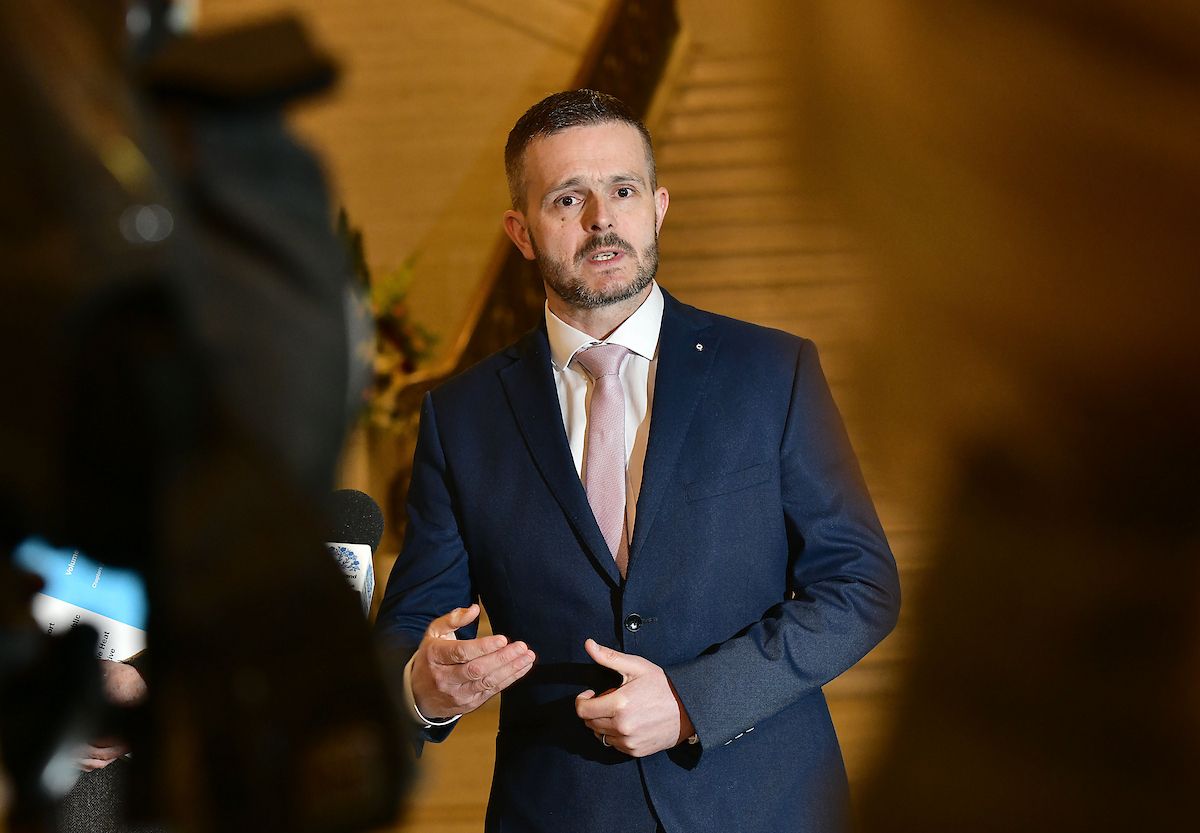
VALUING and paying health and social care workers properly should be top of the priority list for new Stormont Health Minister Robbie Butler, a range of health spokespeople have said.
Mr Butler was appointed to the role following a row between UUP leader Jon Burrows and Mike Nesbitt over the future of emergency general surgery at Causeway Hospital.
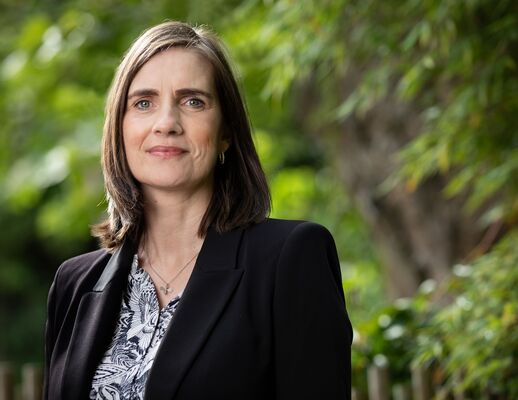
As arguments continue, Executive Director of the RCN, Professor Rita Devlin, who started in nursing in the 1980s, said Mr Butler has to be “independent of party politics”, “listening to advisers in the department”, and “shouldn’t be looking to do something new” as professional leads in nursing, medical, allied health, maternity and more have been advising about the best courses of action for the health service.

“There isn’t any need for the new Health Minister to be going looking for new projects. There is work already in the pipeline that needs to be facilitated and finished.”
Professor Devlin wants a proper nursing workforce plan so we are “fit for the future”.
“So we are basing our nursing workforce planning, with the chief nurse, the department of health, on population health needs now and in the future.
“We have an ageing population, an increase in the people living with dementia, chronic health disease, so we have to make sure we have nurses fit for the future.”
Professor Devlin says pay, terms and conditions is a major factor for the RCN as nurses are being treated differently here than to other regions.
She says morale is poor, nurses are burnt out, and working in overcrowded wards is taking its toll.
Professor Devlin said the RCN is concerned about “the ability to keep going in those circumstances” coupled with a huge increase in “violence and aggression’ toward staff in both hospitals and out in the community.”
Health and social care trade union official John Patrick Clayton, UNISON’s head of bargaining and representation, said an urgent issue for Robbie Butler to deal with is outstanding matters around pay.
“When Mike Nesbitt was in post as minister he gave commitments on pay to the Agenda for Change workforce, the vast majority of the workforce, the non medical, non dental workforce, that he would make progress on pay for them, and we want Robbie Butler to pick up the baton and progress them as swiftly as possible from here.”
Mr Clayton does not believe the headline pay uplift of 3.3 per cent for 2026/27 goes far enough but notes NHS staff England have had that since April.
“The Executive’s long standing policy is that there should be pay parity for the health and social care work force, so that link to pay parity has already been broken.”
Mr Clayton also pointed to issues around safe staffing levels legislation, the lack of Stormont budget, and said ‘real living wage’ commitments by Mike Nesbitt to lowest paid workers need to be honoured.
“I think industrial relations are going to worsen in the autumn,” he said.
“I hope we don’t find ourselves in that position but we do need Robbie Butler to recognise this as an urgent priority.”
BMA spokesman, Dr Alan Stout, representing doctors and medical students in the north, said he is now on his tenth Stormont health minister so the consistency in the health service is “the staff on the ground trying to deliver the service”.
“They are here today, they will be here tomorrow, and they will be here this time next year,” the Belfast-based GP said.
“I think above all else, we, and Robbie Butler as minister, has to address that first and foremost.
“We don’t have a health service if we do not have the staff so it’s about valuing the staff, settling the pay disputes, and then being able to work really well, really closely, together, to do these massive projects that need to be done to get us to a better place.”
Dr Stout believes while "massively challenging" that it is achievable before the 2027 election if the prioritisation is there.
“In an instant, and as a really early thing to do, it changes the mood, changes the trajectory, changes every discussion over the next six to seven months.
“I would see that as so fundamental as opposed to six or seven months of dispute, industrial action, falling out, and everything else. We don’t need or want all of that.”