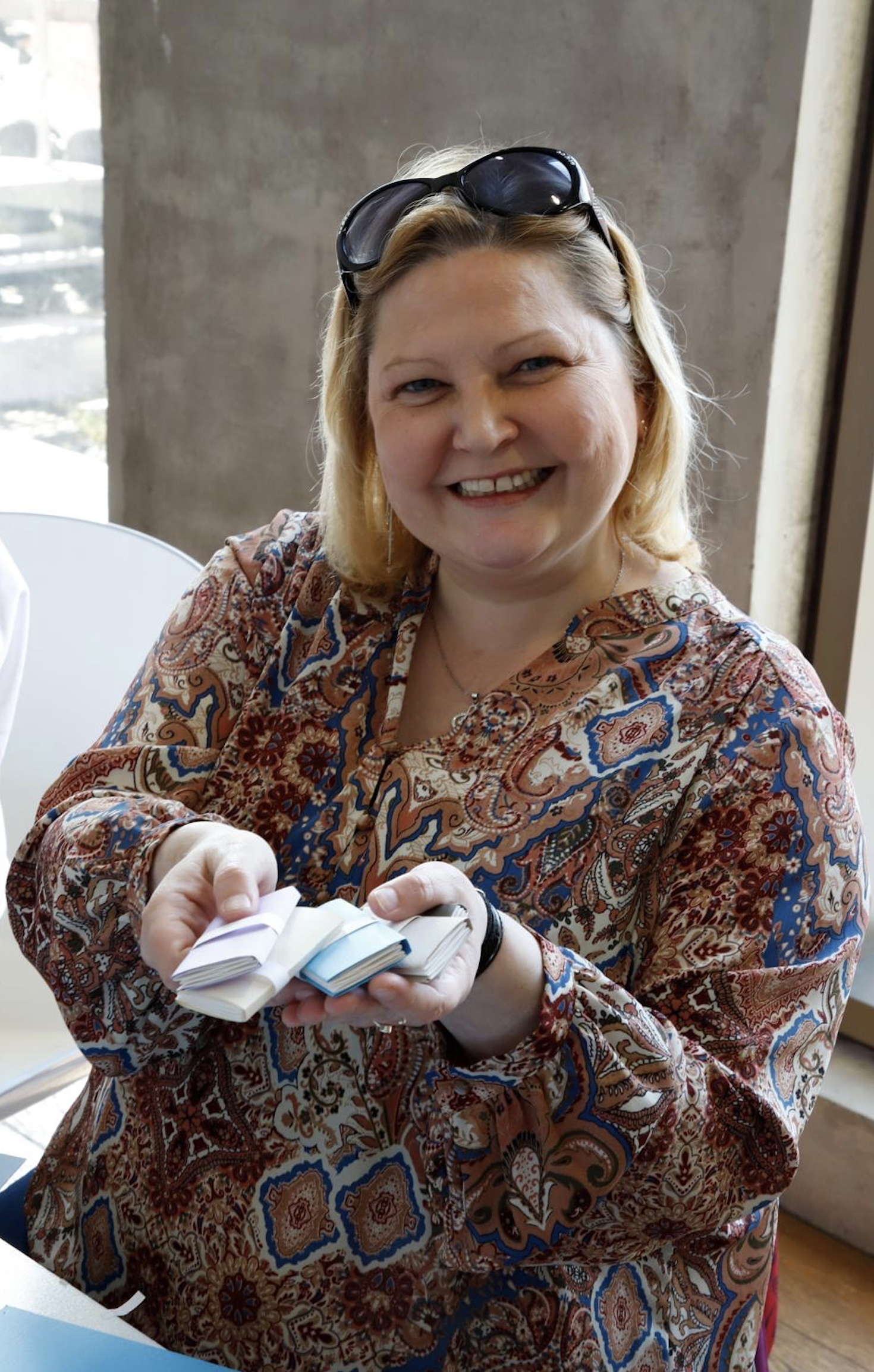
THE arts are undervalued as a way to help with mental health challenges according to West Belfast woman Deirdre McCausland.
Deirdre first tried to access help with her mental health around a decade ago.
“If you only have one option (anti-depressants) you don’t really have choice,” she said. “Why isn’t money being invested in the arts, group therapy, talk therapy, dance, drama, poetry?”
Over the years Deirdre has battled meningitis, encephalitis, relationship trauma, family court proceedings and more.
“Mental health is often used as a weapon against you in court.
“It is further abuse, which is very frightening.”
People Before Profit West Belfast MLA Gerry Carroll told Deirdre about the New Script for Mental Health campaign when she contacted him for support.

“I had been with (the now defunct) Quaker Cottage which was phenomenal. I got to go to Corrymeela and talk about my emotions. That was better therapy for me than medication.”
Deirdre was full of praise for Bright Umbrella’s Sanctuary Theatre in East Belfast, and also West Belfast’s Brassneck Theatre Company’s ‘My Phat Life’ which is being staged this week at the Roddy McCorley Heritage Centre as part of Féile en Phobail.
“My Phat Life is a real life experience of a person in North Belfast. Going to see something live that was amazing. I think that is what the government needs to invest in. There are things that need to be invested in more. Going to see that play was transforming for a lot of people."
Deirdre thinks big issues around poverty, debt, problems with Universal Credit, and domestic abuse need to be tackled.
“Tablets in the short term could be helpful but these are the types of things that need to be tackled and spoken about because they are the types of things that are never going to go away.
“Sinn Féin’s Danny Baker was talking about holiday hunger and the ridiculous amount of money people are paying for school uniforms. It is really affecting mental health. People are crushed under expectations.”
Deirdre has told her healing story through a monologue, music, singing and more.
“It is just a lovely way of exploring your feelings and emotions.”
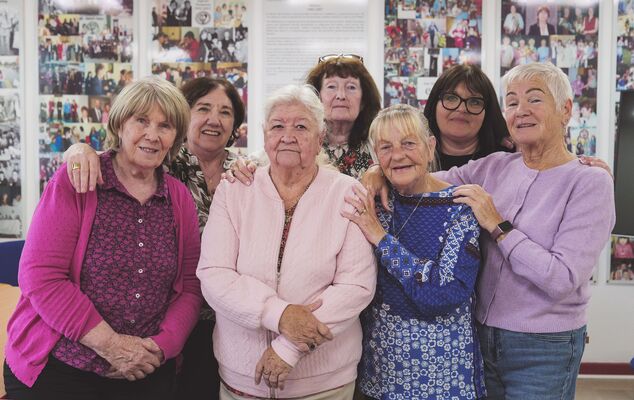
She added: “Being involved with New Script for Mental Health has given me knowledge. And knowledge is power. I feel worthy and valued, and there is a beautiful sense of community.
“Hurt people hurt, and healed people heal.”
DOCTOR’S VIEW
WEST Belfast GP and BMA spokesman Dr Michael McKenna said: “Anti-depressants are good for some people. They do work for some people but very much shouldn’t be for everybody, or in the numbers we are prescribing.”
Data shows high subscribing rates, with one-in-five people in the north “on an anti-depressant of some sort”.
Dr Michael McKenna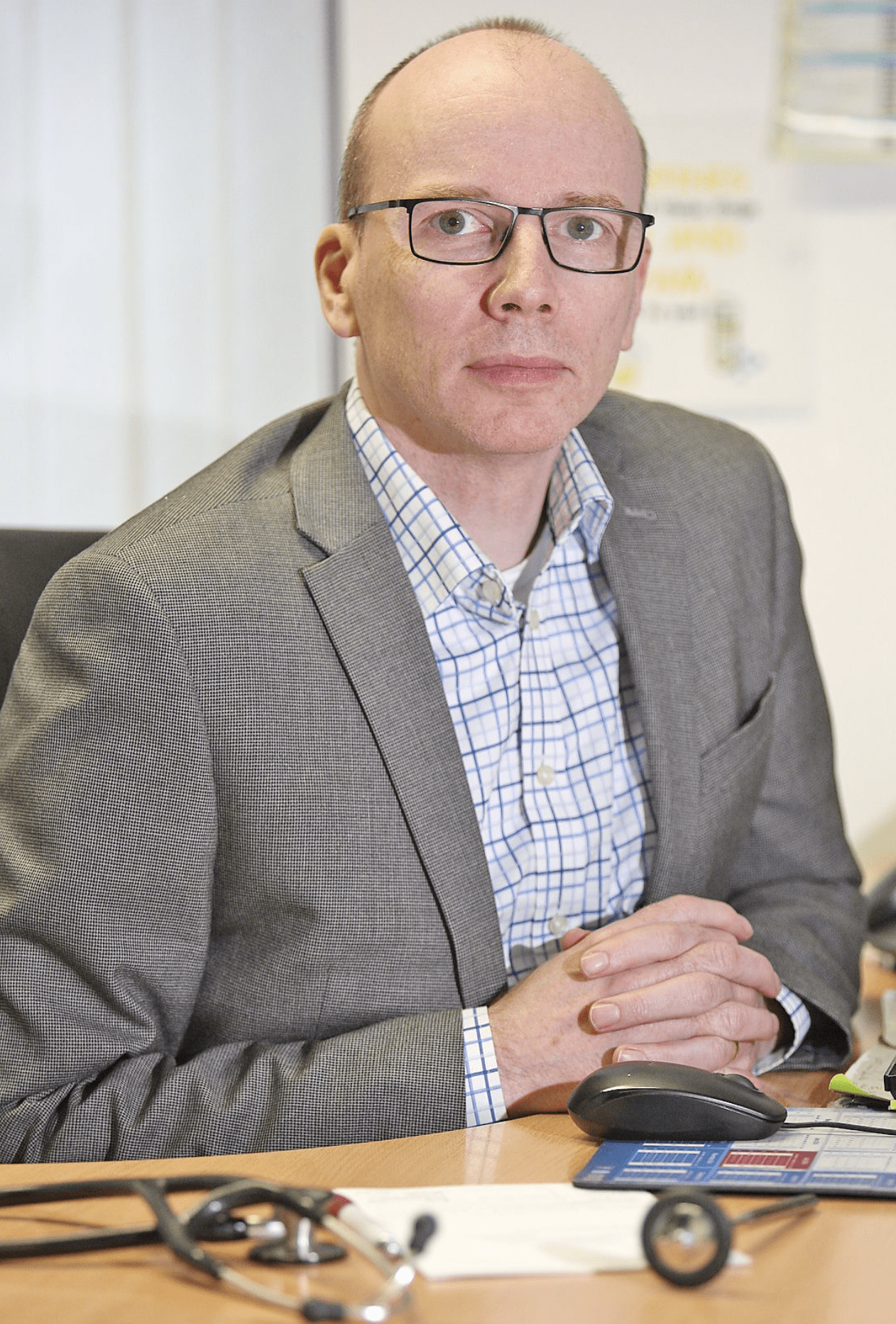

“One-in-four if you are a woman and one-in-six if you are man,” Dr McKenna said.
Reasons for high rates in this jurisdiction are well known including intergenerational trauma from the conflict, and challenges with getting people access to services.
Guidelines for managing mild to moderate depression involves counselling services but it’s around about a year or more to get access to them.
“And if you want CBT (Cognitive Behavioural Therapy) through the trust it's probably two to three years waiting time.
“CBT is normally recommended for more mild moderate conditions like anxiety, OCD, specific kinds of phobias, and we don’t even have access to CBTi which is cognitive behavioural therapy for insomnia.
“We have a sleeping issue. So you're relying on, some of the online tools, which may work better for younger people, but don't work well for everybody.
“And I don't think engaging with them is as good. Anecdotally, from my own recommendations, it doesn't seem to be as good.”
Dr McKenna has been a GP for 25 years and has noticed in recent years a trend toward people trying to access neurodiversity assessments.
“Social media is definitely pushing people into seeking an ADHD diagnosis. There are commissioned services for children but none for adults.”
He also highlighted the increased chance of being on an anti-depressant if you are from a deprived area.
“The equality gap is getting bigger,” he said.
“There has to be some sort of conversation that happens in the middle of it all around how you plug that equality gap.
“If you are poor you spend all your time worrying about how to feed yourself and heat the house and how you are going to look after the kids, and that makes you depressed, and then we try to plug that gap with anti-depressants so you are providing a medical fix for a social problem.”
He added: “It’s not as simple as throwing money at the health service, it is putting money into the overall infrastructure and helping people access services, social connection and make people comfortable, and ensure they have a living wage.
“And try to reduce people's reliance on social media because it is leading to more and more isolation.
“What people need is social contact in real life with real people.”