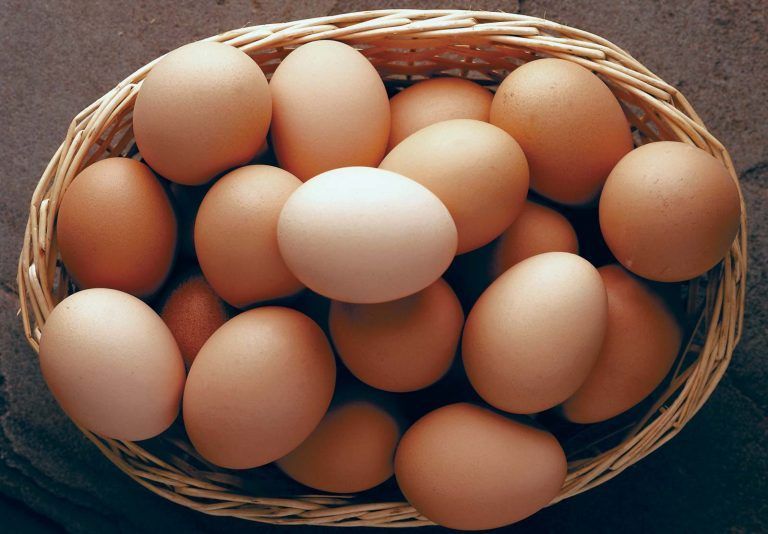
IN the low-fat era of the 1990s, eggs were pushed aside like yesterday’s leftover dinner. Scares of high cholesterol and heart disease made people disregard the egg.
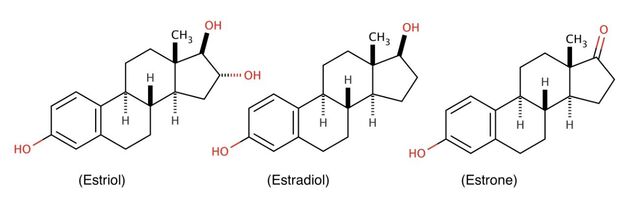
Eggs contain the cholesterol that our bodies need for hormone production and contribute less to our bad cholesterol in comparison to foods like red meats, full fat diary and palm and coconut oil. In fact, Eggs are nutritious and are a source of protein, vitamin B2, B9, B12, D, A and iodine.
Some people are allergic or intolerant to eggs and may need to avoid foods like mousses, certain cakes and pastries, soufflés, mayonnaise (apart from vegan), hollandaise/béarnaise sauces, salad dressings, certain ice creams and icings, tiramisu, baked Alaska and/or Italian meringue.

You should always take your eggs cooked and this is to do with another vitamin called biotin or B7. Biotin helps our bodies metabolise carbohydrate, fat and protein. If the egg is raw, an important protein in it called avidin isn’t broken down. When you cook an egg your body can then access the vitamin B7.
There is no point in eating raw eggs as this will only increase your risk of biotin deficiency.
• Lee McCusker (BA; MSc; MSc; MSc; ANutr; SENr) is a registered nutritionist from Belfast and can be found on Facebook, Instagram and Twitter. Email: attentivenutrition@
gmail.com