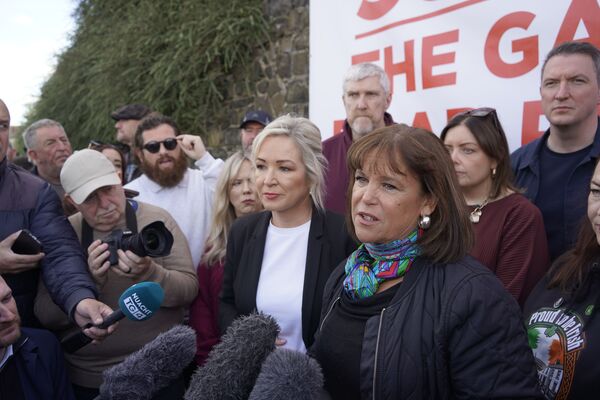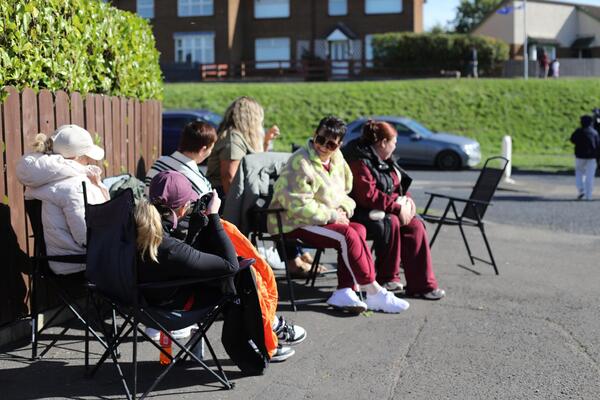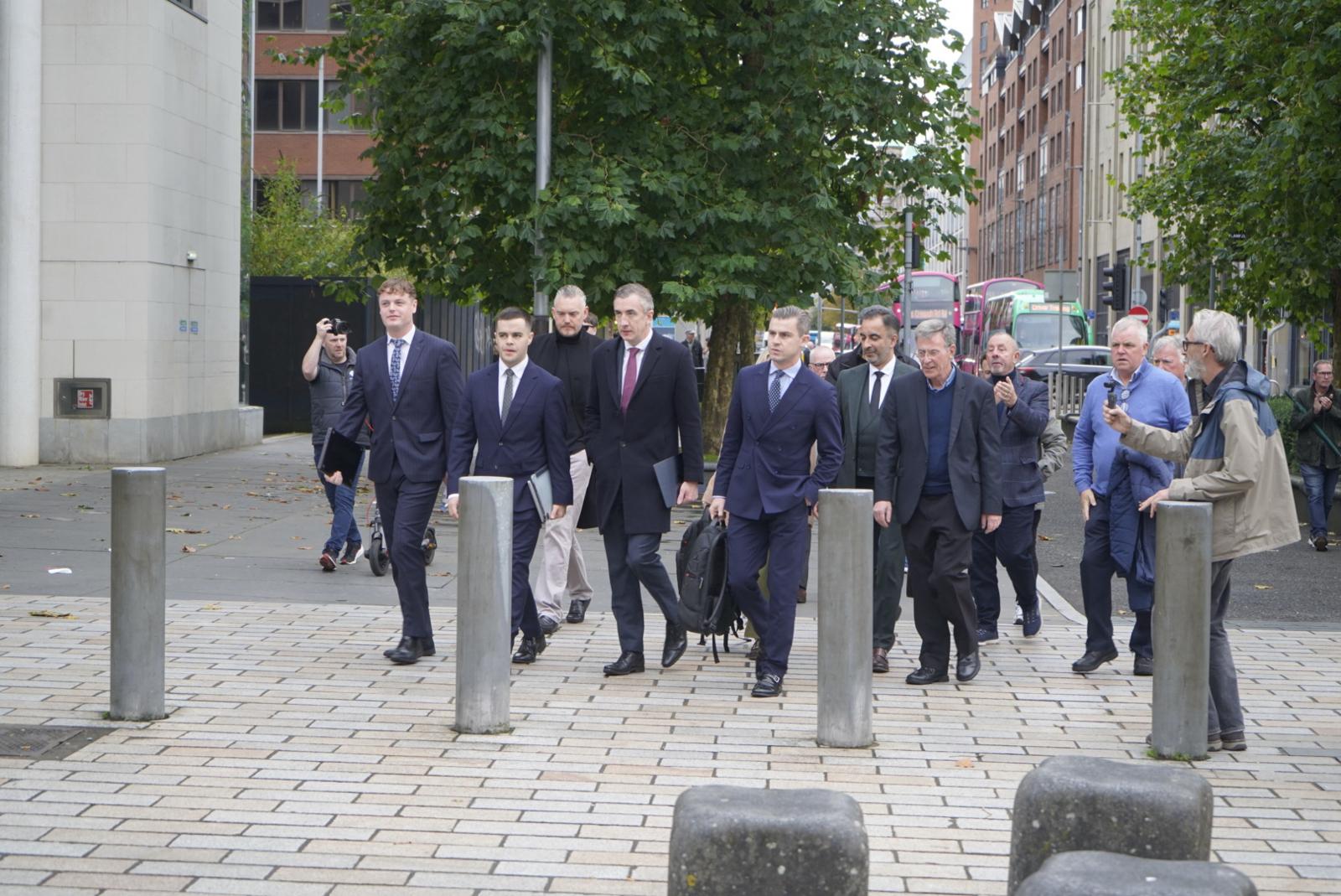
THE dehumanising of our community by unionism is not something new. Casting our rights to equality and dignity as being in violation of laws which compound inequality and indignity are as old as occupation and colonialism. It is a deliberate trick to privilege the position of the oppressor. To experience it in 2026, following a couple of decades of progress is annoying, but nothing we can’t handle.
The Parades Commission messed up twice. They banned the Orange march from Drumcree in July with piss-poor process. That was challenged in the courts. And the Parades Commission was admonished. It is utterly ridiculous that they all retained their posts at that moment. They were utterly compromised. And then when the poundshop Banana Bunch of Bryson, Allister and Lockhart came a-knockin' to march again they folded and gave the go-ahead for a march that is patently sectarian and provocative, which made it “lawful”. Had they stood down or been stood down, as they should have been, and replaced with fresh faces that took their jobs seriously. maybe, just maybe, we could have been spared the past few weeks of retraumatisation and harm. But hey ho. The appointed remain appointed and the rest of us pick up their pieces.

All of which begs fundamental questions about the modern-day colonial apparatus of tendering out uncomfortable issues to commissions. Oh, the peasants are organising around equal rights? Oh, those victims and survivors are very passionate, aren’t they? Oh, those survivors of institutional abuse raise some pretty challenging things, don’t they? Oh, all that parades thing is very intractable! There is a common answer – set up an institution, appoint someone you can bring to the dinner parties and have them into the big-boys' meetings and leave the passionate, uncomfortable and unwashed outside the door. Well worth the few quid that is thrown at them.
This accepted infrastructure does add to prevailing narratives about working class and organic organisation, though. If the voices of campaigners, organisers and those on the ground who challenge the status quo and discriminatory laws and practices can be displaced by commission-type architecture, the underlying premise becomes that those voices were not good enough, or professional enough, or effective enough, or clean enough, or just plain enough, in the first place. However, the reality is that these grassroots voices are the only voices that ever identify why change is necessary, or force any change at all.
Of course, it is worth saying that lovely and good people are employed in commissions, and their motivations are usually noble. But the past few weeks should give us pause to examine the assumed knowledge that tendering out the operational responsibility for the human rights spine of our peace process to commissions is the only way to do business.
The Parades Commission was formed in the face of the obvious truth that the residents of the Garvaghy Road, the Ormeau Road, Bellaghy, Dungiven, Ardoyne, Springfield Road and other nationalist areas held inalienable rights to live free from sectarian taunting and coat-trailing. And that their trauma mattered. (Isn’t it extraordinary how some communities’ trauma is held sacred and others’ dismissed so easily?) That they took their responsibility so carelessly and casually speaks to shameful disconnect and disregard. And with accountability there must be learning from that. And a rethink of how we engage with modern colonial privilege.