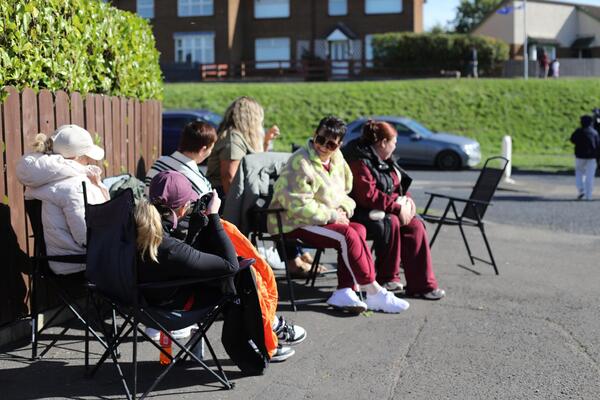
“YEAH, me brother and his girlfriend were up there at the weekend with a tent, camping on the Ormeau Road. They had to come back on the early train this morning for work, but they are going back up at the weekend. Me and me mates are going up too. None of us have ever been at a Fleadh before.”
In 1988 when the collective genius of West Belfast put together a festival to draw kids away from internment bonfires and assert a positive, anti-colonial narrative for West Belfast with a community festival, no-one, not even the forward thinking soothsayers at the heart of that foundation, could have imagined the transformed and transformational Béal Feirste of this week.
The Dome of Delight, where the Irish language was banned, Irish culture scorned and Irish identity vilified, has become Belfast Fleadh’s hub. To see it reimagined to reflect the glorious reunification of our city’s Catholics, Protestant and Dissenters, Irish, Scots Irish and Curious Irish on a stage of celebration would have blown the minds of those Belfast residents who refused to be censored, intimidated, or threatened into submission. In those days they were called the Pan-Nationalist Front. Today that language is forgotten and a new tongue of hope, vibrancy and laughter rings from every corner.

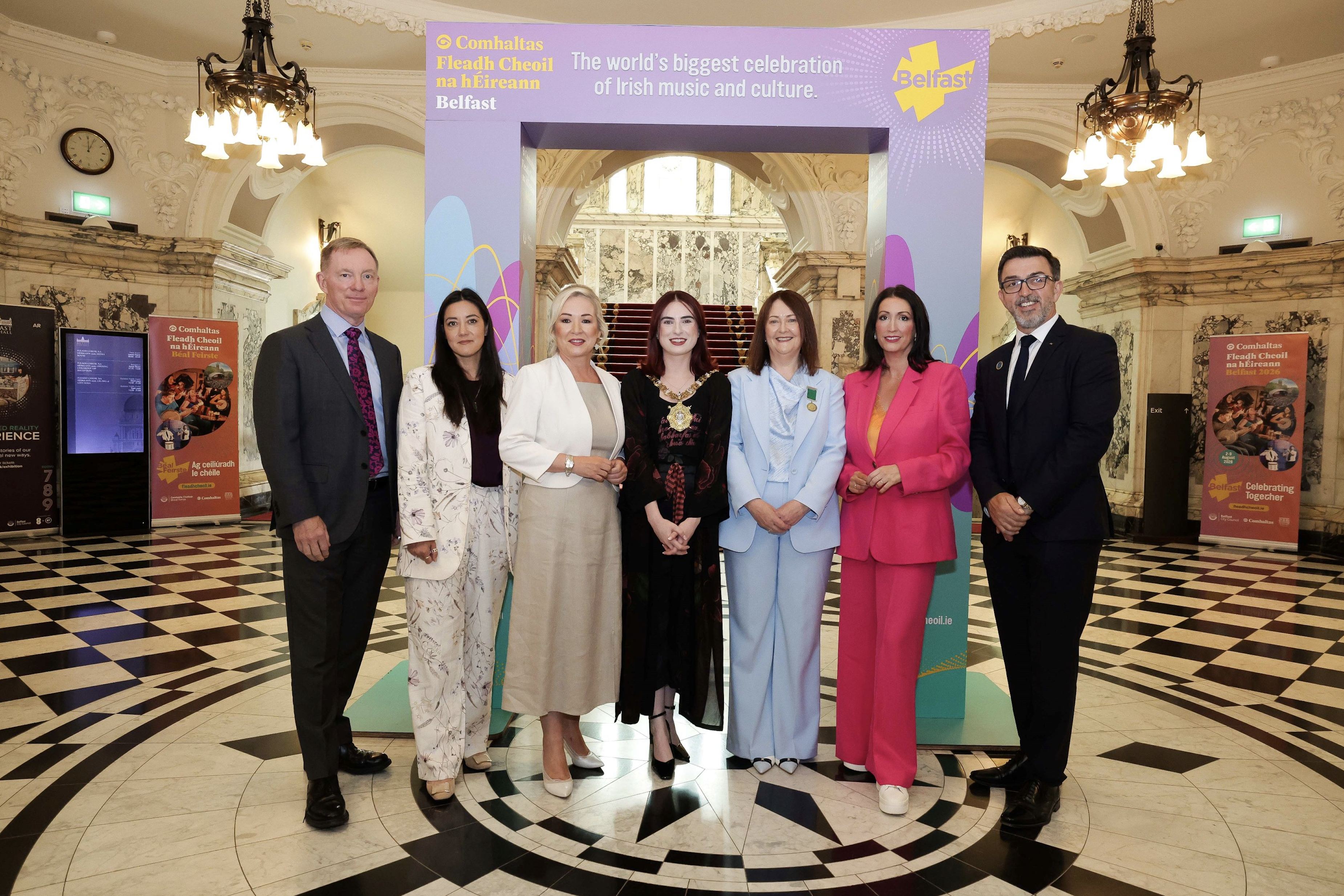
It is best summed up by the President we could not vote for. Ár Uachtarán, Catherine Connolly, opening the Fleadh, praised “the celebration of what we all have in common, and the universality of music, sound, and dance. And it’s that universality and that sharing that we celebrate over the coming week.” A lesson for what can be achieved with a little vision and courage.
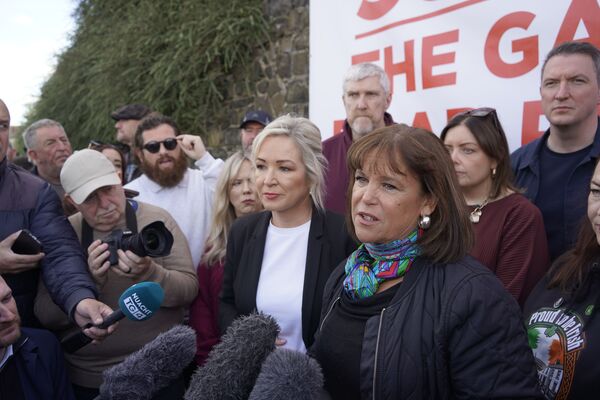
When First Minister Michelle O’Neill took to the stage she was walking into an environment transformed from the days when he colleagues were bombed and shot at in those grounds where they needed to wear flak jackets. Days long forgotten as she spoke: “There is strength in our culture, and I think that’s the magic of our culture also. It brings people together. It gives us a sense of who we are and also where we come from.”
The generosity and learning after years of building and protecting peace were evident in her concluding words: “We are proud of our heritage and we are confident in our future.” This is not a soundbite at a time when our struggle for cultural respect is ongoing.
Emma Little Pengelly’s remarks were rightly widely praised and her final thoughts were lovely: “We always have the confidence to celebrate every tradition that enriches our shared home, knowing that respecting another’s culture never diminishes our own, but it strengthens the place we all call home." They are likely to be repeated and used as a reminder in the times ahead when we see the results of a sharp decline in resources available to artists,and structural attacks by the Department of Communities on our cultural heritage.
The Fleadh and Féile speak to the need for official structures to support the Arts, but also now our Arts will shine as the resilient beacon of hope of our people whatever choice officialdom makes.
As Ireland is firmly in its new Gaelic Revival we will see how artists and culture itself will inform the trajectory of building a new Ireland. It will be one that insists on diversity, respect and, remembers that ár tír needs its teanga, gach cultúir agus ceol.