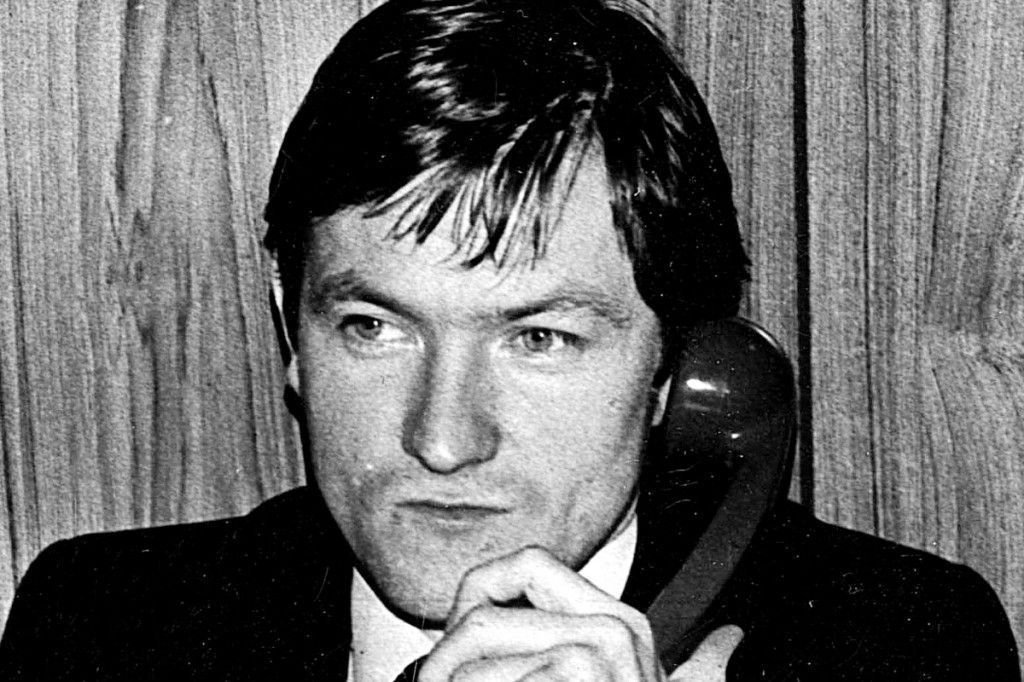
THE Pat Finucane inquiry has been told it will have to consider the "uncomfortable" and "stark" evidence that the West Belfast solicitor's murder was the consequence of a "deliberate and redirected action to use the UDA as a proxy of the state".
The human rights lawyer was shot dead in front of his family by a UDA gang on February 12 1989 in one of the most high-profile cases of British state collusion during the Troubles. His wife Geraldine was wounded in the attack on their North Belfast home.
On Tuesday, the inquiry began an overview of "publicly available" material relating to the murder
Inquiry counsel Matthew Hill outlined open source material about what is already known about allegations of state collusion in Mr Finucane's murder.

Hill set out previous reviews and investigations, including lawyer Sir Desmond De Silva's report from 2012.
Inquiry chair Sir Gary Higginbottom said evidence heard will all be open source material but some parts of evidence may be "vigorously rejected" by some core participants.
The hearing was told that some evidence which will be heard may be "deeply disturbing".
Inquiry counsel Matthew Hill said that inquiry will look at "to what extent his killers were encouraged, assisted, protected or directed by the state".
The inquiry then heard about the three-man gang responsible for murdering Pat Finucane. They are loyalist killer Ken Barrett, Army agent Brian Nelson and Special Branch agent Billy Stobie.
Geraldine Finucane was told the inquiry will investigate (1) RUC encouragement of UDA to target her husband (2) a failure to act to stop his murder (3) a failure to investigate after the killing (4) a wider role in RUC facilitating the terrorism of the UDA.
Hill said the inquiry would also examine the effect of Finucane's murder "on his family and friends, on his colleagues and those who continue to practice".