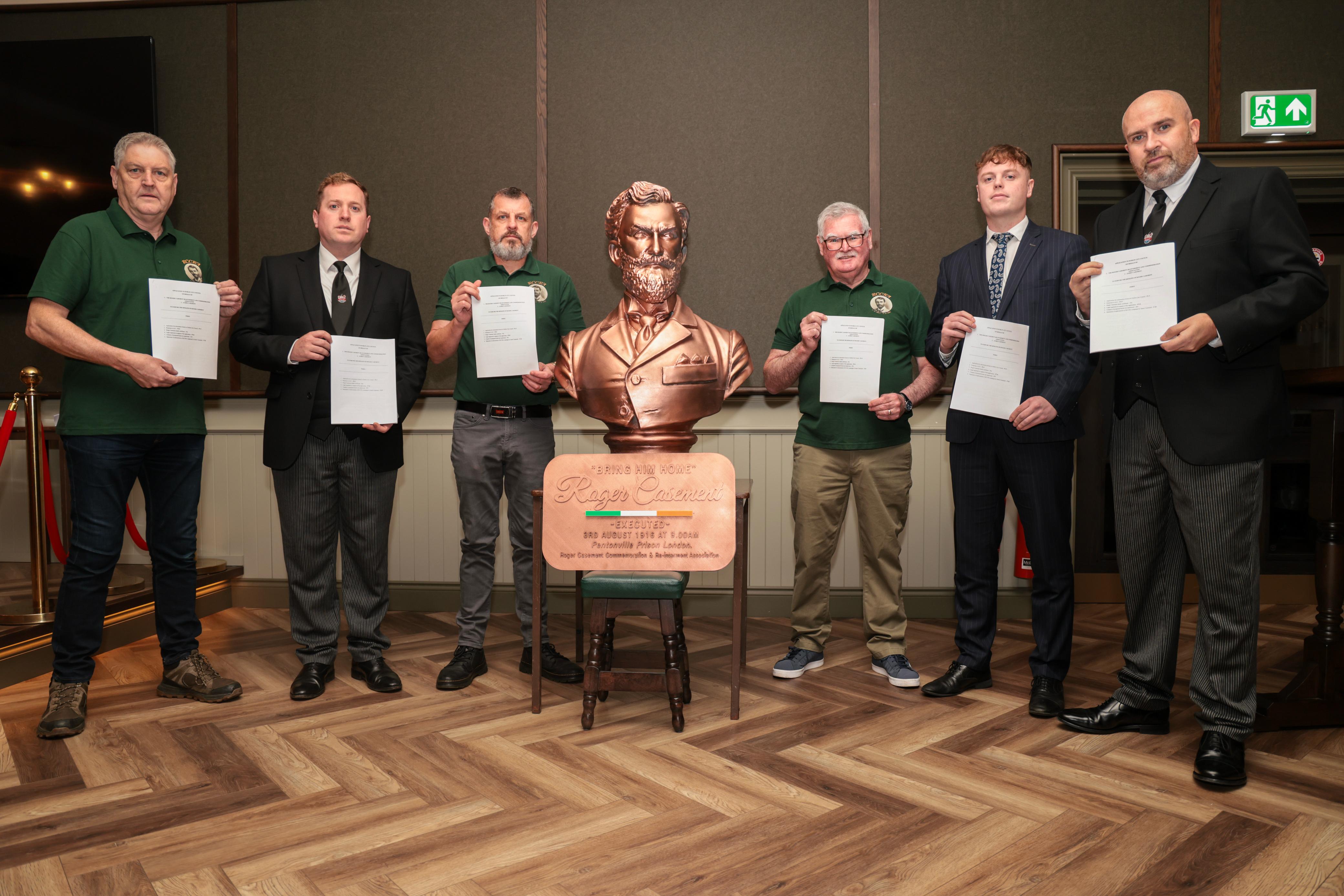
AN formal application has been submitted to Dublin City Council and Glasnevin Cemetery for an exhumation licence to re-inter Roger Casement remain's at Murlough Bay, fulfilling the rebel leader's last wish.
Members of the Roger Casement Commemoration and Re-interment Association (RCC&RA) gathered at the Casement Social Club on Thursday night, alongside their legal team from Phoenix Law, representatives from O'Neill's Funeral Directors and Patrick McCarry, who has agreed to allow the re-interment of Casement on his land in North Antrim.
The group say the application is fully supported by Roger Casement’s family, and by James Casement from Arizona USA, a relation of Roger Casement and an association member.

Speaking about the application, RCCRA Chairperson Alan Daly said it was an historic moment.
"This evening, after many months of preparation, we have formally applied for the exhumation of Roger Casement to bring him home.
HERO: Roger Casement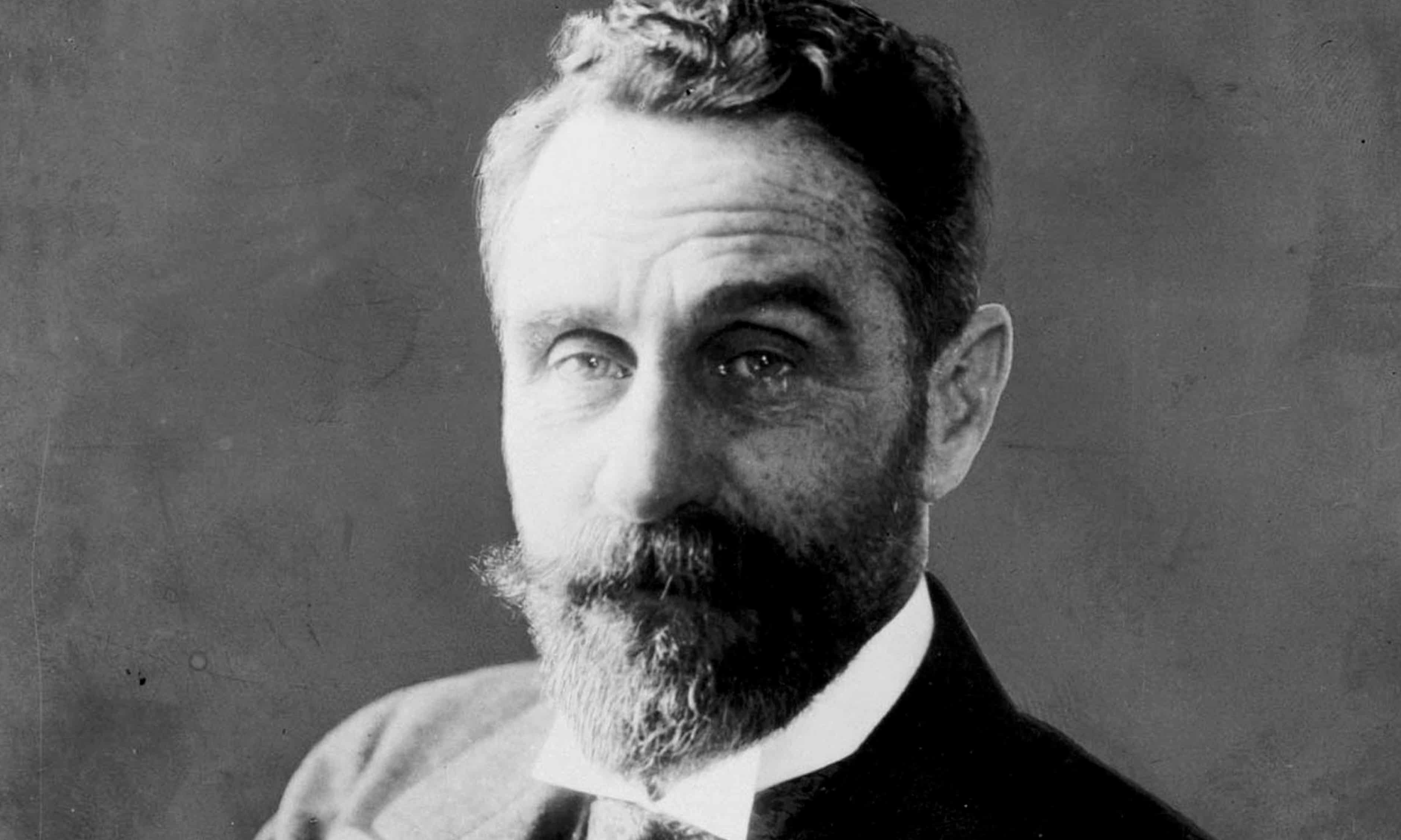

"Casement always wanted to return home, and today we hope to start the process to make that happen. It is historic to be co-signing this application with Roger’s direct and surviving relative, James Casement. We now look forward to receiving the necessary license from Dublin City Council so we can ensure Casement is returned without any further delay.”
WHO IS ROGER CASEMENT?
Roger Casement was a former British diplomat and knight. He became an Irish nationalist and staunch anti-imperialist after witnessing the horrors of the Second Boer War, and seeing human rights abuses against indigenous people during travels in the Congo.
Casement, from County Antrim, had attempted to provide guns from Germany to aid the Easter Rising in Dublin in 1916. He was captured in Ardfert, County Kerry, and transferred to London, where he was put on trial for treason.
Despite figures such as Arthur Conan Doyle, W.B. Yeats and George Bernard Shaw pleading for clemency for Casement, he was sentenced to death by hanging in a London court for the crime of high treason. Initially buried in the prison cemetery at Pentonville, he was repatriated and reinterred in Glasnevin Cemetery in Dublin in 1965, following a state funeral. Eamon de Valera had initially petitioned Winston Churchill for a repatriation as far back as 1953.
Prior to his execution, Casement enclosed his last wish in a letter to his cousin Gertrude Bannister, saying “bury me at Murlough".