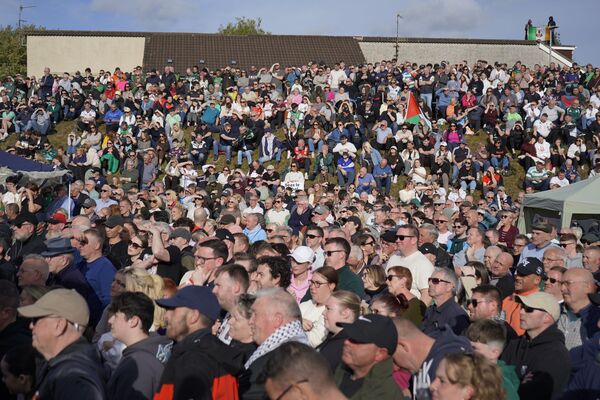
THE glee among loyalism at this week's court decision on the Orange march down the Catholic Garvaghy Road in Portadown was more evidence, if such were needed, of the cul-de-sac of sectarianism in which the unionist parties now find themselves.
For surely, only someone blind to the cesspool of bigotry that Drumcree represents could hail as a victory the possibility that the route to our shared future lies through one of the most dismal events of our painful past.
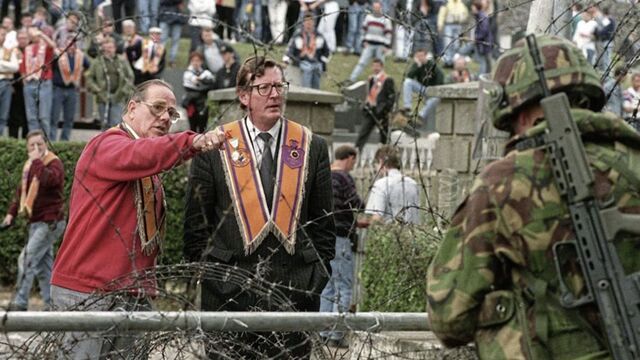
And yet, wishing for a Tardis-like return to the 'golden days' of majority rule — when Ian Paisley and David Trimble could jig together past seething nationalist residents of Portadown — is what passes for strategy these days among the unionist parties.

Any wonder that Stormont is in perpetual crisis when nationalism's purported 'partners in government' see a return to the chaos of 'here we stand, we can do no other' as a step forward!
But, in fact, yes, this is where we have landed. In such circumstances, it's incumbent upon nationalist leaders to pour oil on troubled waters. Orange triumphalism on full display on the Garvaghy Road as nationalists are hemmed into their homes by armed forces of the state is still a long way off. The Orange have had their court victory for sure but that doesn't translate into the green light for the chaos and division which a coat-trailing march past Catholic homes on the Garvaghy Road would entail.
The Parades Commission, chastened one presumes by its lack of probity and professionalism in handling the Orange Order request to resurrect its Garvaghy Road march, will get another chance to rule on any fresh application that is made. At that point, weighing up all the evidence and faithfully fulfilling its role, the Parades Commission will undoubtedly do the right thing.
Younger readers — especially those of the ceasefire generation — may wonder why unionist parties are cock-a-hoop at the possibility of Orange feet once more in Catholic Portadown or why indeed, nationalist leaders are so perturbed by the spectre of Drumcree Mark II.
That's as it should be, of course. One of the benefits of peace was that these acts of sordid sectarianism in a one-party state where the Orange walked wherever they wanted — and usually that meant where Catholics dwelled – have largely been consigned to the dustbin of history and forgotten.
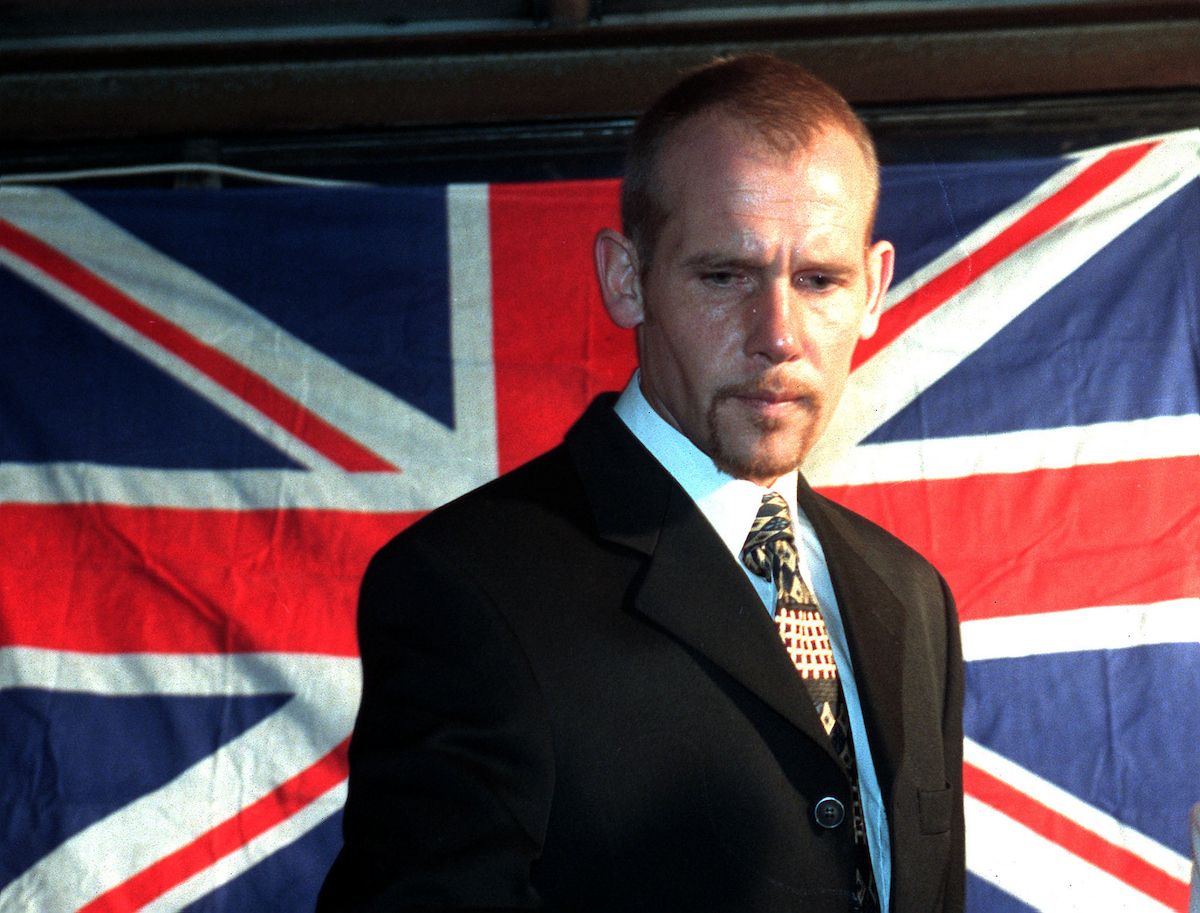
But our elder readers will remember all too clearly the price the nationalist community paid for the carnival of bigotry surrounding Drumcree. We think in particular of Catholic taxi driver Michael McGoldrick who was assassinated by the murder gang of loyalist paramilitary leader and Drumcree leading light Billy Wright in July 1996. Then in July 1998 the three young Quinn brothers were murdered in a loyalist petrol bomb attack in Ballymoney, again linked to Drumcree.
Those of a certain age will also recall that Wright shared a platform at Drumcree with DUP MP the Rev Willie McCrea.
For sure, the ghosts of Drumcree do not lie easy this morning. However, it's our conviction that, both to heal the wounds of the past and to secure a peaceful future, the vast majority of decent people here will refuse to countenance a return to the hate-filled past which a march along the Garvaghy Road would represent.
Hopefully even our hapless British Secretary of State Chris Bryant can grasp that reality. If so, he should be able to rectify his fumbling response to this week's court decision by the time he is next asked about the dangers of repeating the mistake a previous Labour Government made in forcing an Orange march down the Garvaghy Road.