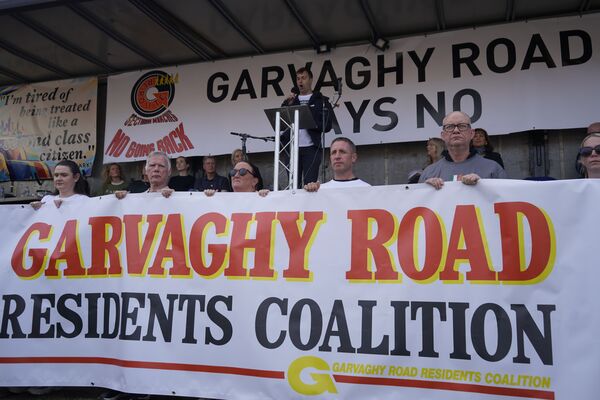
LET'S pretend it was black or brown people. A group of right-wing citizens decided that they had a right to march anywhere they wanted. So they thought the Garvaghy Road, full of black and brown people, would be a good place to exercise their democratic right.
The right-wingers, let’s further pretend, had a history. Less than thirty years ago they kept insisting on marching through this black and brown neighbourhood and their insistence led to the deaths of over twenty people. Would the black and brown community have a right to say: “They shall not pass”? Would they have a right to build human barricades and link up with groups who believed in their right to live free of humiliation?
I’d suggest that anyone who didn’t believe in the rights of the besieged black and brown community to live free from those who were simply racist – anyone who couldn’t see who was right and who was wrong would be dismissed as right-wing wing-nuts.

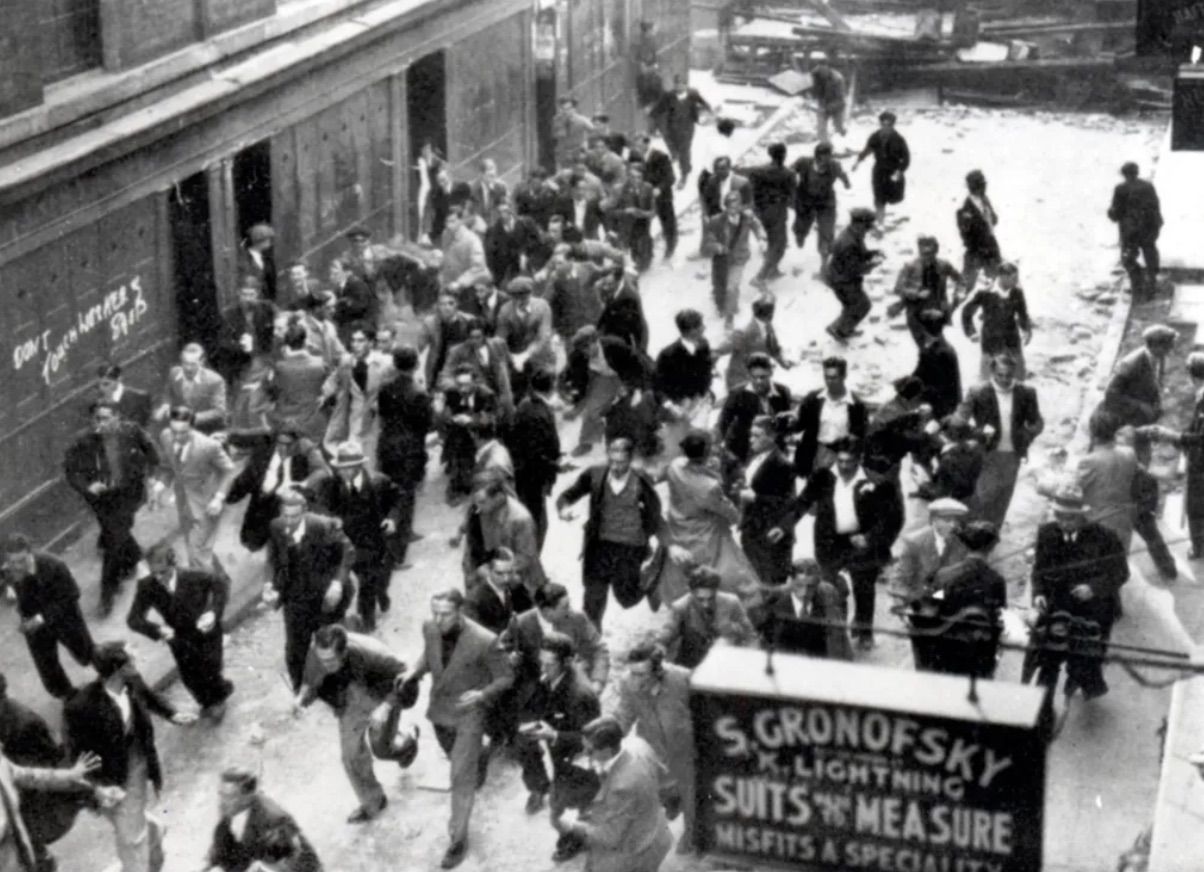
Mind you, right-wingers posing as decent citizens simply exercising their democratic right to march are not new. Almost exactly 90 years ago – on Sunday, October 4, 1936 – Oswald Mosley’s British Union of Fascists planned a march through London’s East End, a part of the city with large Jewish and Irish populations. Anti-fascist organisers, Jewish residents, trade unionists, communists, Labour supporters, and many neighbours, mobilised to prevent the parade. The authorities initially treated the march as lawful and prepared a substantial police escort. Mosley’s followers assembled in uniform, (maybe they’d run out of collarettes) while opponents gathered at streets and junctions along the proposed route.
At Cable Street, crowds erected makeshift barricades from carts, furniture and building materials. Other people blocked nearby approaches. Police tried repeatedly to open the road, using mounted officers and baton charges. Protesters resisted by standing together, rebuilding barriers, and throwing objects; many people on both sides were injured. The cry “They shall not pass” expressed the determination to deny the fascists a triumphal route through the neighbourhood. After several hours, the police judged that forcing the procession through would cause greater disorder.
Senior officers cancelled the East End route and instructed Mosley’s organisation to disperse. The decision was greeted as a victory by those who had opposed the march. Cable Street did not end British fascism, and antisemitism remained a serious danger, but it demonstrated that organised local resistance could defeat a public fascist mobilisation.
The historical parallels are uncanny. First there’s the “We have the right to walk the King’s highway” argument, and the authorities go along with the fascists. Then the police attack those resisting, but in the end the police have to give up and tell the Mosley fascists to go home.
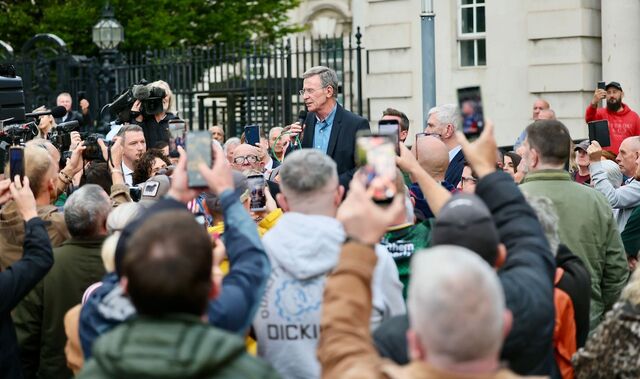
If the PSNI and their colleagues from Scotland feel called on to clear a path for the Orange marchers, then the PSNI can say goodbye to trying to sell themselves as an impartial, respected police service.
Despite the Parades Commission’s official urging that this judgement leaves no winners and no losers, a blind man on Shergar would see that the losers in the official judgement will be the Garvaghy Road residents and all of us who are fed up to our back teeth with the sight and sound of Orange triumphalism, year after year, decade after decade, century after century.
Learn a lesson, guys, while there’s still time. Mosley’s marchers ninety years ago didn’t succeed in their efforts to humiliate the Jewish community in Cable Street. They just showed the world how detestable they were and how the placing of the authorities on their side didn’t change that.
They did not pass and they shall not pass.