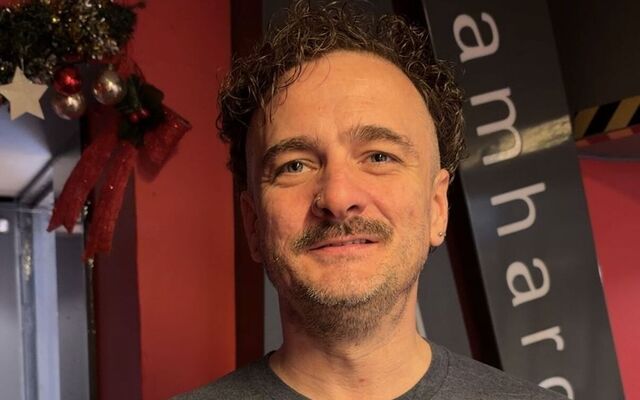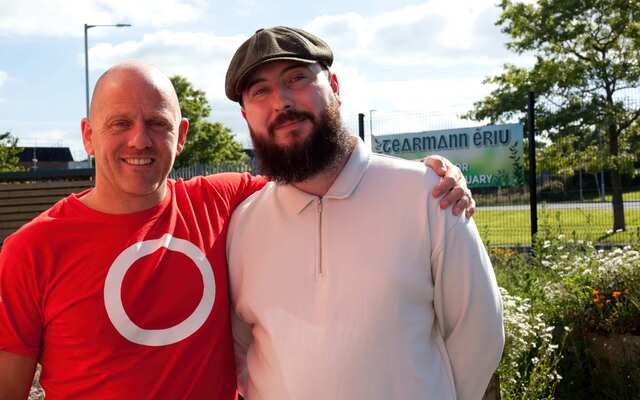
LAOCHRA Loch Lao's Club and Games Development Manager has said that something needs to be done to address the drop-off in players in teenage years in the GAA.
Damien MacAilín has worked across various development roles within the GAA, and said that there is a huge problem when games stop for the winter. He was speaking after news that the structure of underage games could potentially change.
GAA research has shown that there is a high rate of drop-off after the GoGames period, normally around aged 12. Recommendations are being discussed to change the rules of underage games to ensure players get more touches of the ball, that there are smaller teams and that some of the competition is removed from some games.

"There's a problem at the end fo the season when games stop," said Damien. "If you aren't doing something during that period then you lose a lot of players, especially at a young age.
"That's what we're trying to facilitate at the minute with Soilse na Spórtlainne."
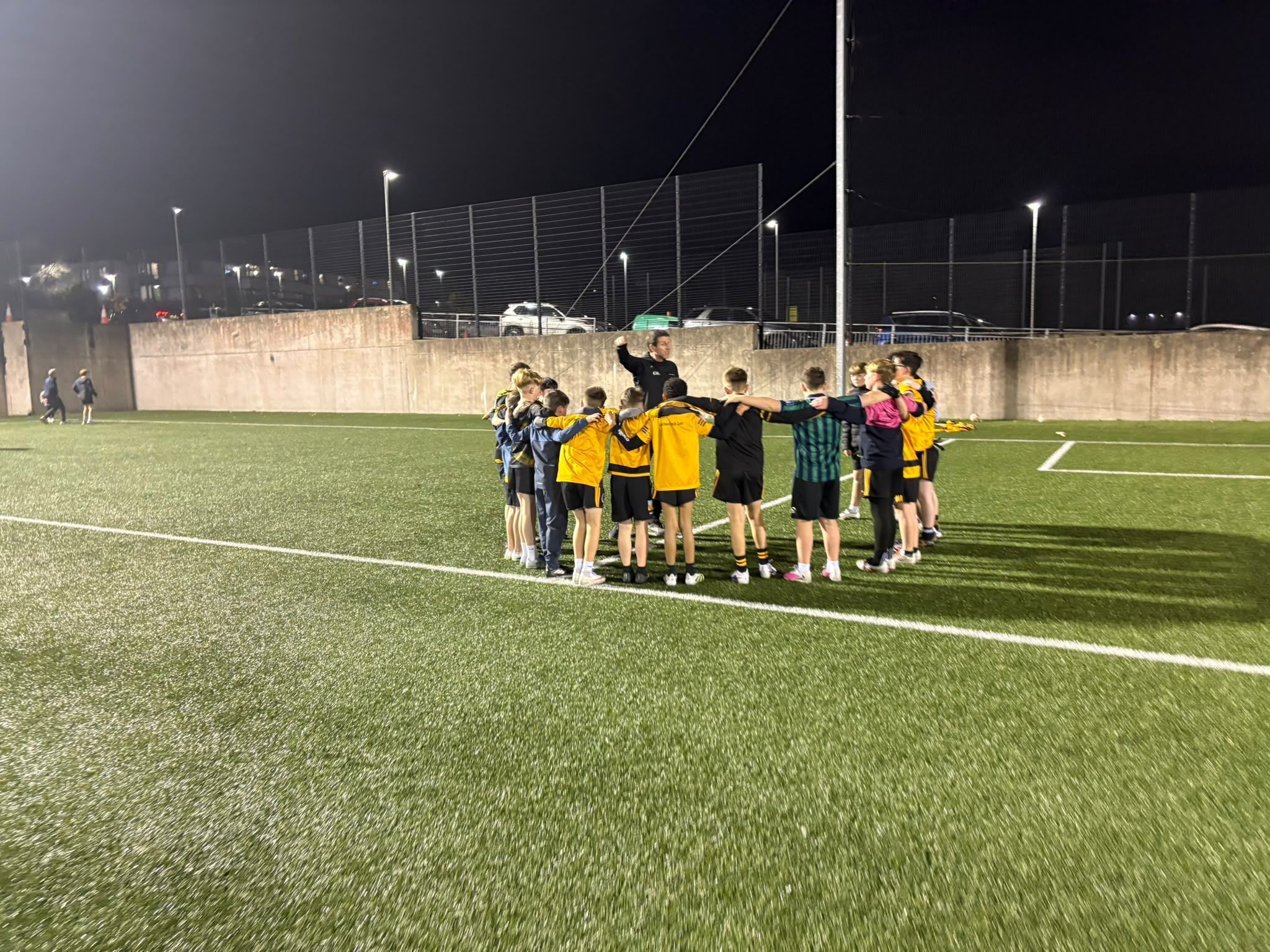
Soils na Spórtlainne is a series of blitzes organised by Laochra Loch Lao for local clubs during the winter. Damien says it's a very important initiative.
"My goal is to fill that winter gap in the calendar, so that we're functioning in that period, and I like that the blitzes aren't competitions.
"Are the matches competitive? Yes. Are referees needed? Yes. But at the end of the day the scores aren't used. There are no more rounds. It gives a chance for teams that are struggling for numbers to put out ten-a-side teams on the pitch.
"Or it gives a chance to the strong teams to allow players who didn't get many games over the winter to play."
Damien mentions his days spent working with Antrim GAA, referring to a workshop in Croke Park in particular from the Belgian Football Association. They developed a particular system for their underage teams.
"It was based on the idea that they wanted to have the strongest international team.
"They used small pitches for youth games for youth games. Two against two. As the players grew they made both the pitches and the teams gradually bigger until they were at the highest level."
This clearly gave him food for thought, although he still says that competition is still important to keep young people interested in sport.
"The most enjoyable thing for me at primary school was playing games. Are young people interested in something that isn't a competition? I don't think so. We're all competitive but at the same time we're realistic.
"Kids want to be playing somewhere. That's the main goal. At the minute we have problems with numbers at teenage years. How do you resolve that issue? More time on the pitch."
He says that coaches and managers should look at these recommendations as possibilities instead of being worried about them, and that they "are recommendations" not rules.
"Every group across the country will be different, but if we can agree that we need to do something that would be great," he said.
"I think people jumped to conclusions when the story came out about these suggestions, the panic merchants. But I think what will be recommended is a mix of the competitions we already have alongside different initiatives during the year as well.
"I think coaches should look at that period and say, 'how can we use that to encourage participation and improve skills?'"
"You can be competitive within that period. You can organise seven-a-side with a winner at the end, and I think that's a winner at the end, and I think that's great, but with Soilse na Spórtlainne we want to keep the team going during the winter."
Damien says that this drop in numbers is not a new problem, and that he is "jealous" when he watches other sports that are able to keep children interested. He says changes are already being implemented in different clubs and counties around the country to deal with the issue.
"This is happening already in certain places anyway," he said. "People are looking for something to do in this period before Christmas, we see that in the clubs that come to Soilse na Spórtlainne."
Speaking to RTÉ in English, the Chairperson of GAA's Games Development Committee, Micheál Martin, said that the levels of competition in underage games would not change.
"Games from under-13 to 18 will never be non-competitive. There may be additional games provided in the future, but only as an extra offering," he said.