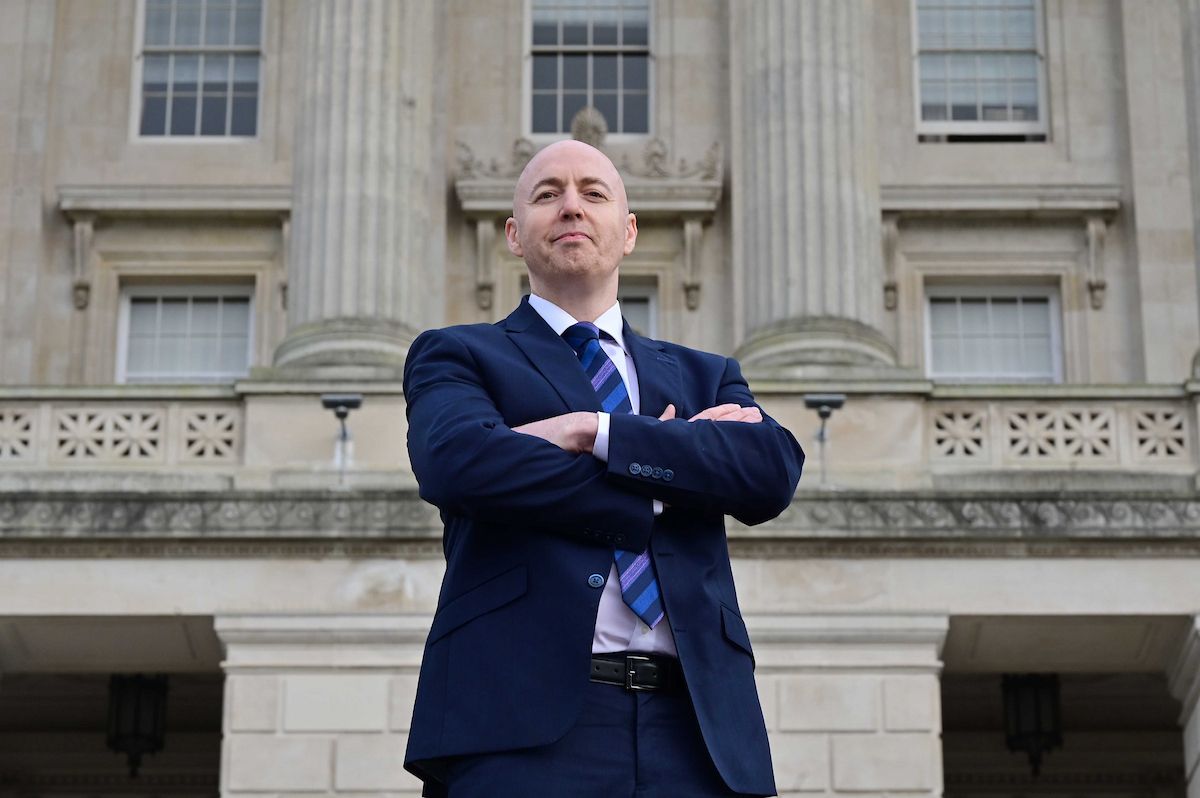
THE decision by Ulster Unionist Party leader Jon Burrows to spurn an offer from Tánaiste Simon Harris to talk about the constitutional future is as disappointing as it was unsurprising.
There was a time not that long ago when it seemed as if the former senior police officer was about to expose the oldest unionist party to a much-needed blast of the wind of change. That possibility was mooted not by ordinary nationalists, who are all too familiar not only with the UUP, but with the PSNI. It was mooted by Mr Burrows himself, who stepped into the role with bright promises of new thinking and brave choices.
In the eleven months since he took the top job, unencumbered by a single public vote, that commitment to change has been hard to detect. In the past week he has blown it out of the water.

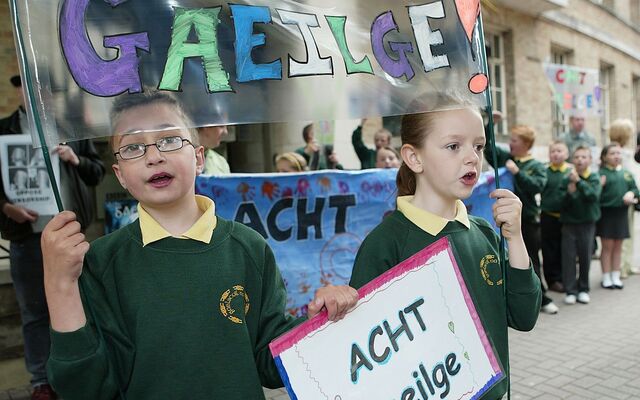
The first – and by far the most damaging to Mr Burrows’ self-created new-brush image – was his decision last week to sign a DUP petition of concern scotching a virtually cost-free plan to prepare a workforce policy for the Irish medium schools sector. The DUP had activated the petition of concern not out of any dogmatic opposition to the detail of the Sinn Féin bill, although heaven knows its opposition to the language has been frequently and shabbily illustrated over the years. Rather, the DUP nixed the plan as part of its declared intention to punish Sinn Féin over the recent Garvaghy Road brouhaha.
Mr Burrows signed the petition of concern fully armed with the knowledge that the firestorm ignited by DUP Communities Minister Paul Givan’s axing of the pitiful amount of funding that his department directed towards the Líofa Gaeltacht bursary scheme had helped bring down the political institutions in 2017. More important to him, clearly, than repeating Mr Givan’s catastrophic error was the imperative not to be exposed to DUP sell-out allegations. So much for a new way of doing things.
But more deletirious to Mr Burrows’ claims to be a new man for a new era was his latest recourse to the discredited petition of concern, which is perhaps the single most egregious example of the old politics that the UUP leader had promised to leave behind. When push came to shove, Mr Burrows has been seen to be as enthusiastic about pulling the rusty and creaking levers of power when the occasion suits as the grey and cynical veterans he said he wants to replace.
Hot on the heels of that reversal came Mr Burrows’ testy and lengthy rejection of the Tánaiste’s invitation to talk. It fell to former UUP leader Doug Beattie to remind Mr Burrows of his promise in a September Irish Times interview to engage in conversations about the constitutional future in order to put the union’s case. Now we watch as at the first time of testing Mr Burrows’ promise has disappeared like the remaining leaves in a late-autumn breeze.
The lesson is that what we are seeing is the changing of the UUP old guard, not its long-overdue replacement.