AS a new report urges the DUP finally to come clean on the nature and consequences of its part in the 1986 foundation of the paramilitary group Ulster Resistance, certain facts remain unchallenged. And they are facts that sooner or later the party is going to have to face up to.
Just as there was no contract drawn up formalising the relationship between the DUP and Ulster Resistance, there has been no documentary proof produced on when or if the DUP severed ties. The party tells us that it parted ways with the organisation at some vague and unspecified time, conveniently before Ulster Resistance brought in a massive shipment of weapons in 1988 which led to a huge upsurge in the number of sectarian attacks on innocent Catholics.

In its contributions to the wider debate on legacy, one of the DUP’s most familiar arguments is that the IRA, unlike the British state, didn’t keep records and therefore anything it says on matters past is necessarily tainted and unsupported. And of course this is largely true. It is equally true of Ulster Resistance. Probably. For it may well be that there are documents that give weight to the DUP’s assertion that it was out of the picture before the guns, grenades and rockets arrived, in which case the DUP should produce them (although the likelihood is that they would already have done so if such documents existed and were exculpatory).
The flip side of that coin is what we know now: All we have to support the contention that the DUP got offside before the weapons arrived is the party’s assurance that they got offside before the weapons arrived. And that assurance – particularly given the performatively paramilitary nature of the event at which the organisation was formed – is not worth the paper it’s not written on. The matter is too serious, too many people are dead thanks to Ulster Resistance weapons and too many lives have been ruined for the DUP to continue to get a pass solely on their own recommendation.
If there’s one lesson the DUP must have learned from the valiant and continuing efforts of victim families to extract truth and justice from the British state, it’s that grieving relatives never go away, because their pain and indignation never go away.
We know next to nothing of the DUP-Ulster Resistance relationship post-launch.
Despite the bluster, there is precedent aplenty apart from Ulster Resistance to rubbish the facile suggestion that during the conflict unionism utterly disavowed paramilitarism; from David Trimble sitting shoulder to shoulder with the killers of the UDA and UVF during the UWC strike, to Ian Paisley Senior inviting paramilitary murderers into his home to admire the colour and design of his curtains.
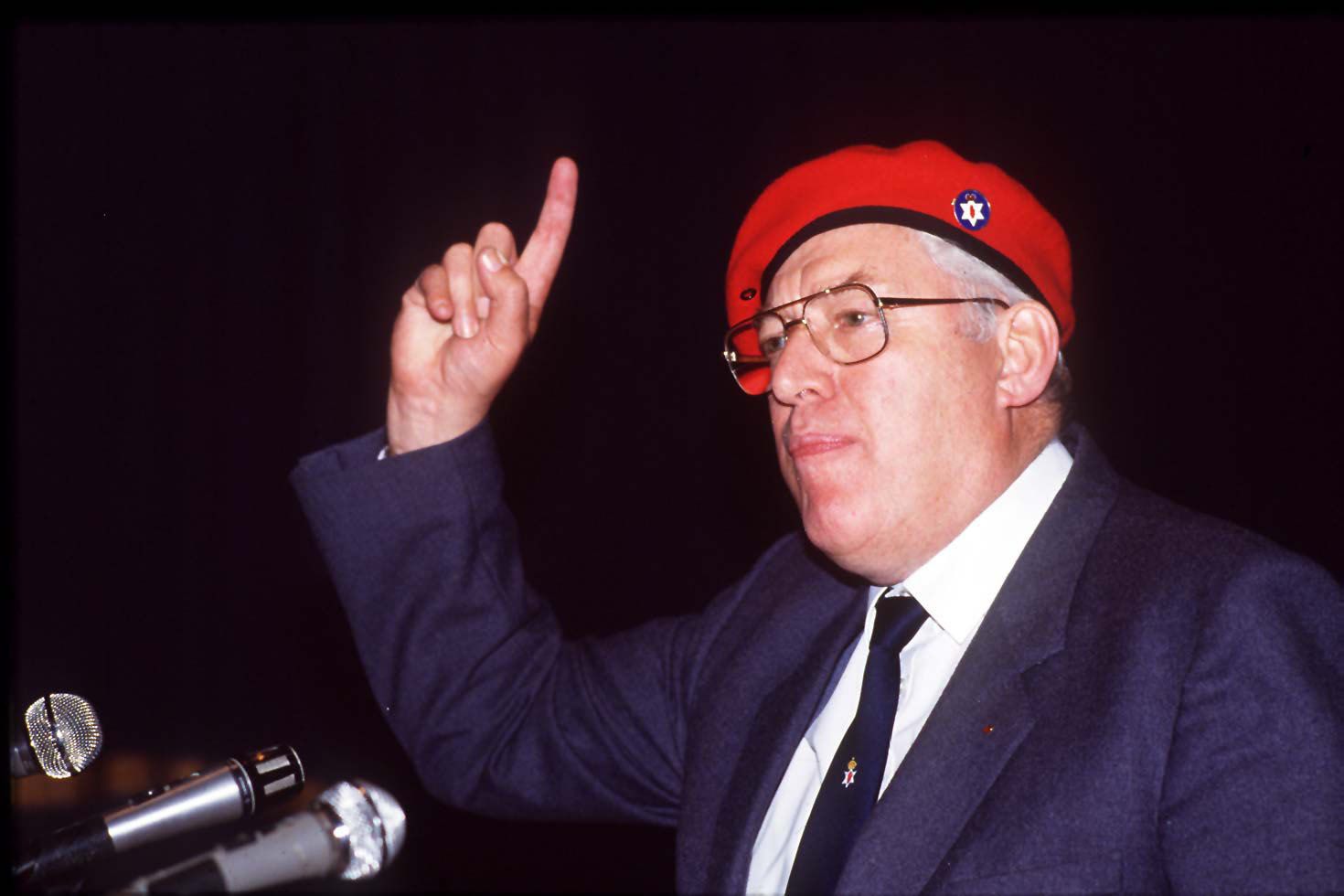
The red-bereted spectre of Ulster Resistance will continue to hang over a party which enthusiastically engaged in military cosplaying at the Ulster Hall all those years ago.
The DUP will at some stage have to answer the questions it is now being asked. To do so voluntarily would be a prudent move.