SQUINTER’S queuing for a sandwich in a café at lunchtime on Monday when he notices something he hasn’t seen in a while.
To the right of the queue there’s a man, in his seventies perhaps, having his lunch at a table on his own. And quite the lunch it was. While Squinter was in search of an overstuffed and overpriced sandwich, this gentleman had gone full evening meal. Cubed potatoes (garlic, most likely), some generic greens and a sizeable chicken breast, irrigated by half a pint of thick, light-brown gravy that if Squinter were to hazard another guess he would identify as pepper sauce.
The queue moved, Squinter moved, but the lone diner stayed near enough to Squinter for his dining progress to remain visible. Not that Squinter was staring or anything, it’s just that when the list of things of interest is decidedly short then the eye falls gratefully on the most banal events.

Squinter ordered his sandwich (sandwiches, actually) and as he loitered at the counter it suddenly occurred to him that there was something odd about this chap and the meal before him. While the potatoes and the greens had almost disappeared, the chicken remained entirely and gloriously untouched at the side of the plate. Squinter was invested now and when the question came “Would you like these toasted?” he replied in the affirmative to gain a couple of extra minutes nosey time.
Tidy and neat as you like, the diner cleared one side of his plate, pushing the last morsels of sauce-soaked potato and vegetable with his knife on to the flat side of his fork. The chicken mound remained. Whole. Pristine. Sauced. Ready.
Squinter paid for his food and turned to leave, casting one last, lingering look at the man and his meal. He was tackling the chicken with considerable gusto, as though what he’d just eaten was a starter and the chicken his main; only on the same plate.
As he walked back to the office with his dainty brown paper sandwich bag in hand, Squinter recalled that keeping meat to the end of a meal used to be considerably more common than it is today. In fact, when Squinter was a boy he developed a vague sense that keeping meat to the end of the meal was somehow a sign of adulthood, or at least a certain maturity, such was the number of adults around him who tackled the spuds and veg first.
Professor Google – or is it Professor Chat GPT these days? – informs Squinter that leaving the tastiest part of a meal to last is ‘reward-seeking behaviour’ rooted in the psychology of delayed satisfaction. Which makes sense, Squinter supposes, but it doesn’t explain how come it used to be common and it isn’t any more. If it was just linked to gratification and endorphins wouldn’t everybody be doing it? Or at the very least, wouldn’t a lot more people be doing it?
Squinter has his own theory, and that theory is that meat-saving is – or was – linked to scarcity and poverty. The adults of Squinter’s 60s and 70s boyhood were people of the war and of rations. People who had very little before Hitler invaded Poland and found themselves with virtually nothing by the time the Battle of the Bulge rolled around.
When it came to the ration books, beef, pork, lamb and chicken were at a premium, and if that’s the case, how much more would already poor people have wanted to savour their even scarcer meat?
During his lengthy research for this article – which some people unkindly describe as internet idling – Squinter was gobsmacked to learn that rationing in the UK continued until 1954. That’s nine years of shortages after the Nazis surrendered. Against that background, can it be a surprise that savouring one’s precioius meat to the max by keeping it to the end continued into the 60s, 70s and beyond?
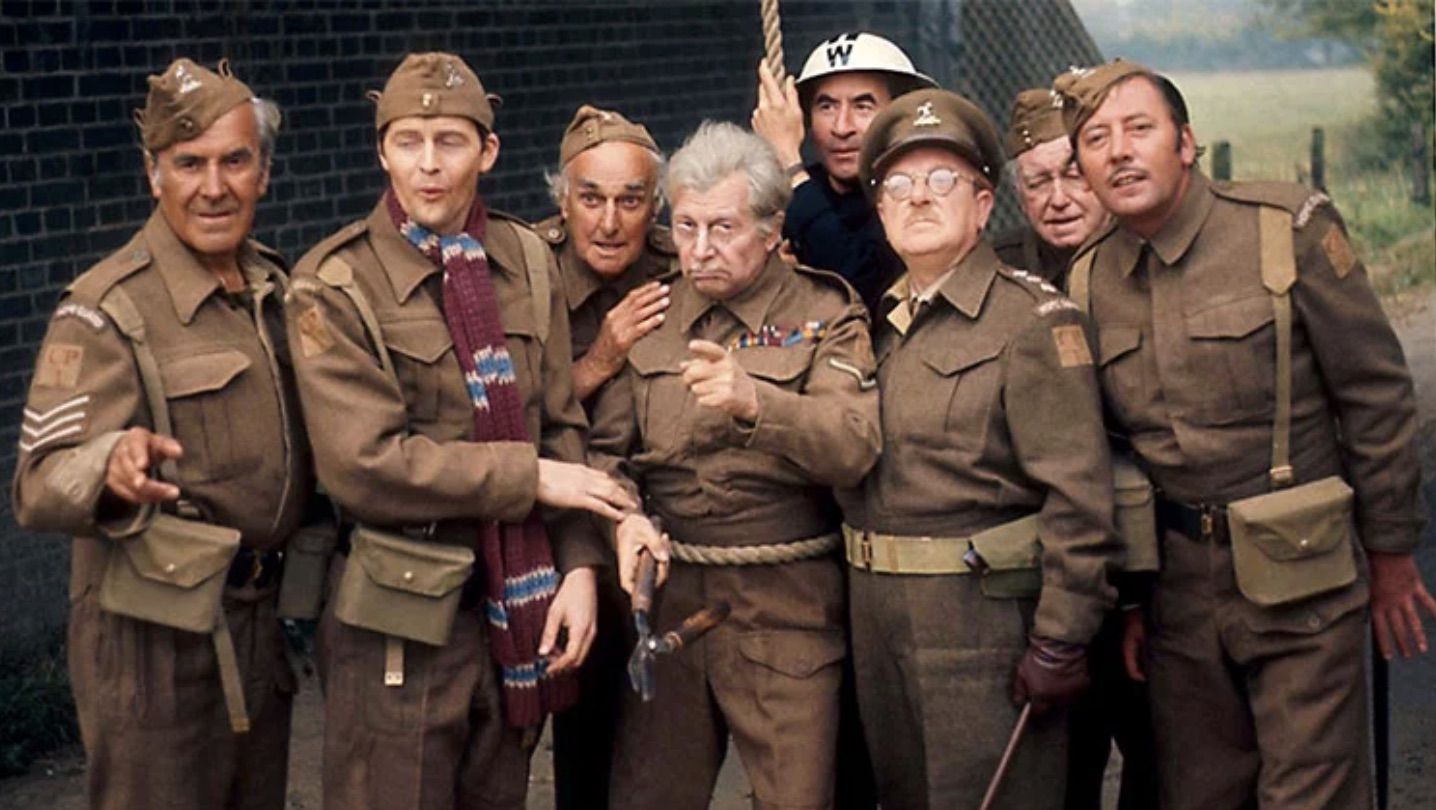
And can it be a surprise that 72 years later the sight of it would be as sweetly nostalgic as Dad’s Army?