LANGUAGES have hidden powers – and environmentalists believe the Irish language is crucial to saving Ireland's depleted ecosystem.
Two of Belfast’s leading language activists took park in a conference in Dublin recently that aims to use the language to save the countryside and our wildlife. Yes, you heard that right – the Irish language can actually help end the ecological crisis!
The Irish language populates a landscape which in English is barren. In Irish, the rocks, rivers, trees and valleys have a name and a personality.
A landscape that now is only there for the use of people suddenly comes alive with a myriad of species.
And therein lies the best way to protect our natural environment, to be part of it rather than ruling and destroying it. The language actually connects humans to the non-human world.

That’s not just Dúlra’s view, but of a growing army of academics and environmentalists who despair of Ireland’s impoverished ecosystem.
Having been the language of this land for 2,000 years, Irish gives us a long-term view of the land to understand how we’ve done so much damage in the short term.
It restores a sense of history to a countryside as something we all own.
The Irish language is seen by some to be simply celebrating the past and not be so relevant to our present or future – but that’s not the case. The language offers us a better future where people can reconnect with a living, organic island.
It’s not about nostalgia – protecting a language of yesteryear – but it's a matter of urgency as our ecosystem is destroyed, the experts say.
Monolingualism is a recent phenomenon in world history, and those who embrace it inevitably view living communities and literature in indigenous languages as an anachronism. But that's not the case.
One expert, Michael Cronin, writes: “The future lies with languages that can maximise diversity. Irish is one of those languages of the future.”
When the population shifts to a language that has no relationship to their environment, the connection to place is seriously fractured.
“It is the triumph of a culture of possession over a culture of dwelling,” says Cronin.
In an Irish-speaking Ireland, the collapse of Lough Neagh is unthinkable.
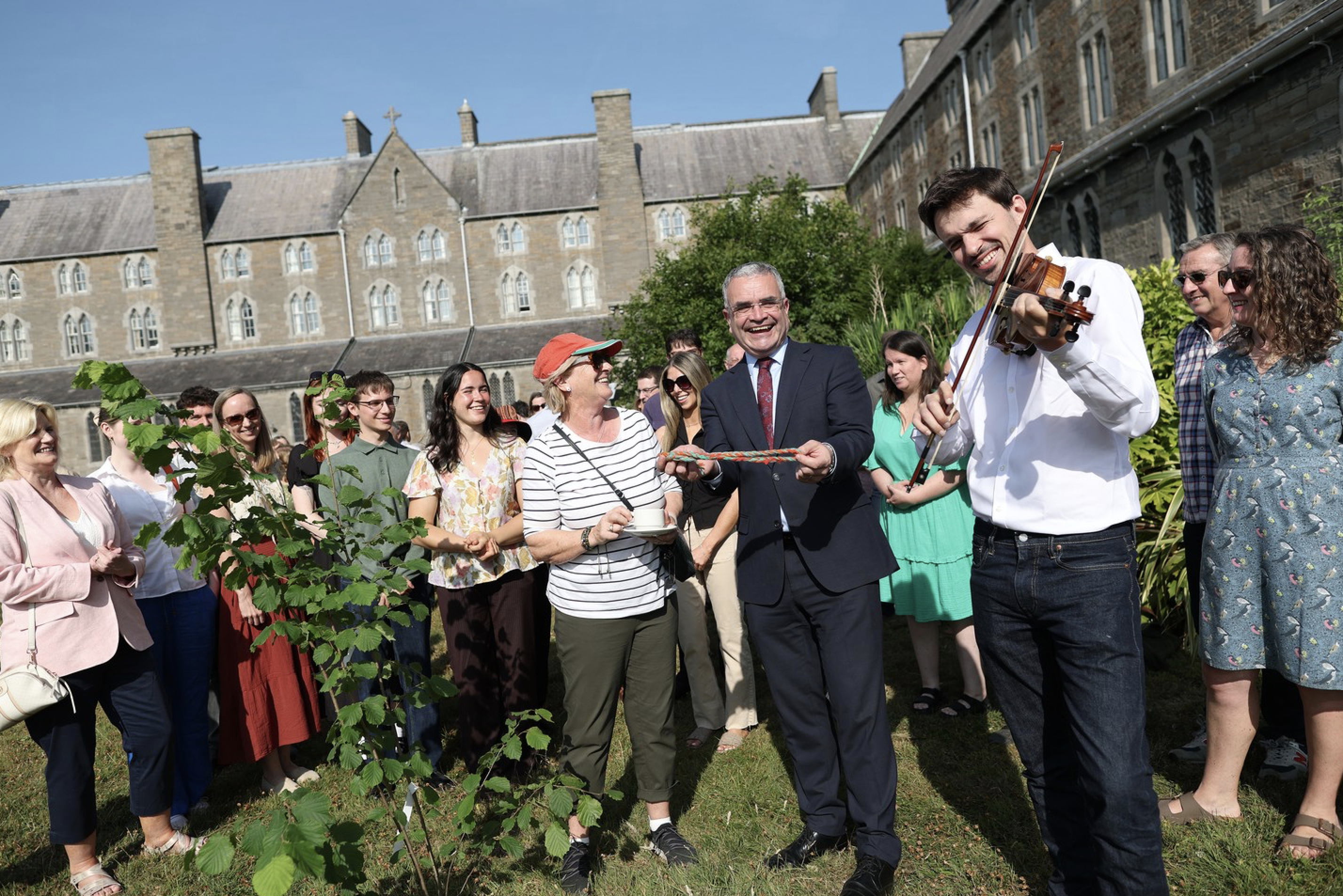
This thinking saw two of Belfast’s finest cultural activists taking part in a day-long workshop on Placenames and Ecology in the European Context in Dublin’s DCU a fortnight ago. Gráinne Ní Ghilín and Pól Mac Cana gave presentations on how Belfast street names mark our relationship with the natural world, and how the scientific meaning inherent to some Irish placenames can help us understand how best to protect nature.
Gráinne Ní Ghilín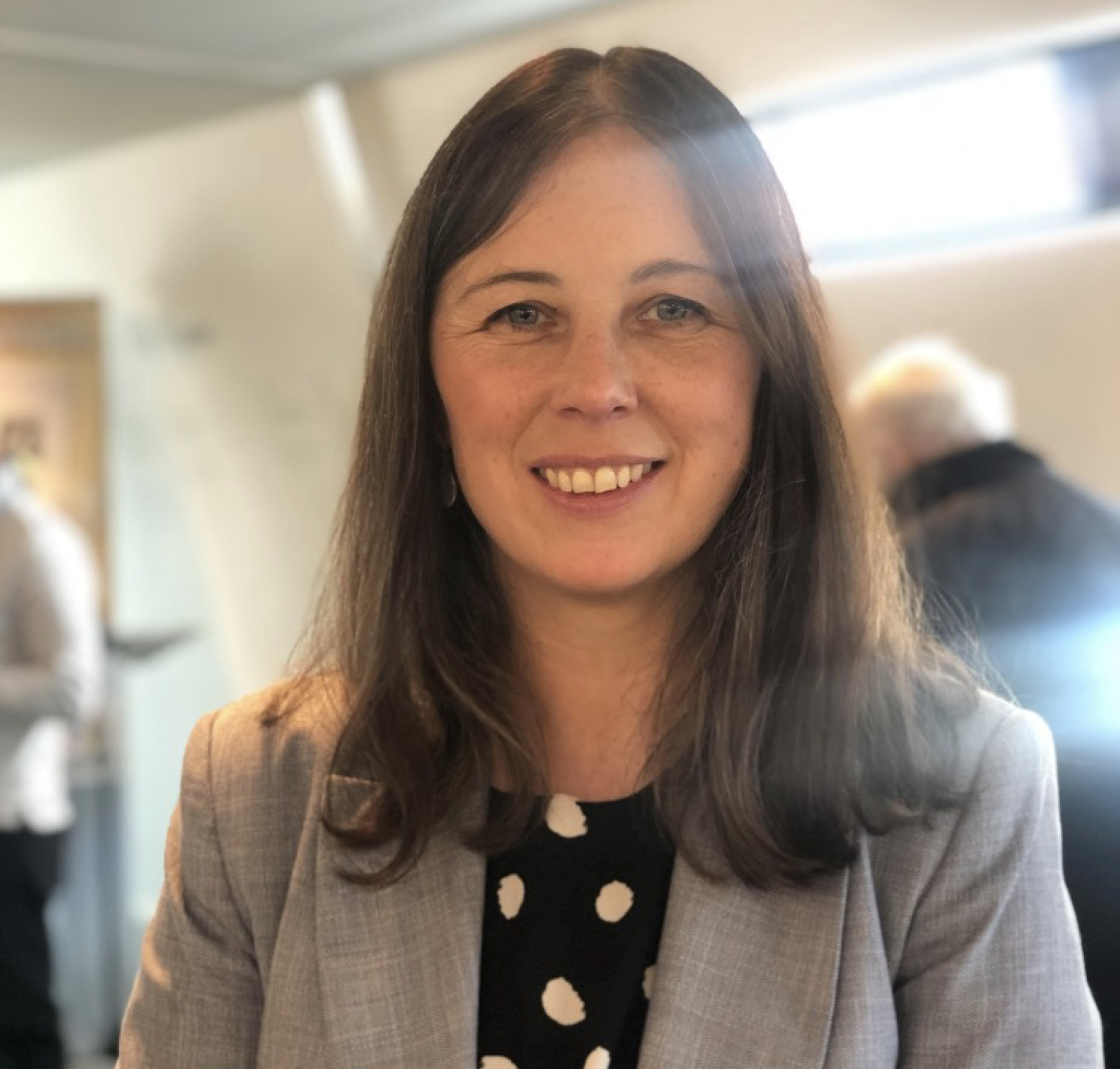

Gráinne is part of the Queen’s University team, along with Dr Frances Kane and Professor Mícheál Ó Mainnín, who accurately translate our bilingual street signs – more than 1,300 to date.
And almost half of those translated in the last three years relate to ecology – animals, plants, types of land, stones – like our own Divis – Duibhis, named after its black basalt stone, or – one Dúlra likes – Glengoland, Gleann Gabhláin, the Forked Glen, or, Dúlra would argue, the Glen of the Swift!
Pól looks at how Irish can have many names for, for example, what we generally call a marsh – eanach, riasc, seascann – and how the different Irish names unlock a deeper meaning about the exact type of wetland. This is turn allows us to understand and protect the wildlife it sustains.
Opening the conference, Gaeltacht Minister Dara Calleary, said: “A keen understanding of nature and landscape is evident in the placenames we have inherited, with implications for how we live today.
“It is great to see noted researchers from Britain and continental Europe here with us today, sharing their own perspectives, on top of presentations by Irish academics.”
Dr Brian Ó Raghallaigh, technology manager of the Gaois research group in DCU that, among other things, gives online access to the public to the large placenames database of Ireland on www.logainm.ie, said: “The topic of the discussions being presented in the workshop is placenames referencing ecological systems which have changed or are in decline – forests, boglands, etc.”
He said the focus was on how language and placenames have an importance “in the context of climate change; evidence of the distribution of animals and plants prior to the industrial age; references to soil and geology in placenames and the use of this evidence in the modern context, e.g. ecological education, rewilding, rewetting and flood prevention.”
Pól’s work and that of the placenames team in Queen’s is helping uncover a rich history that will help us think differently about the land we all love.
* If you’ve seen or photographed anything interesting, or have any nature questions, you can text Dúlra on 07801 414804.