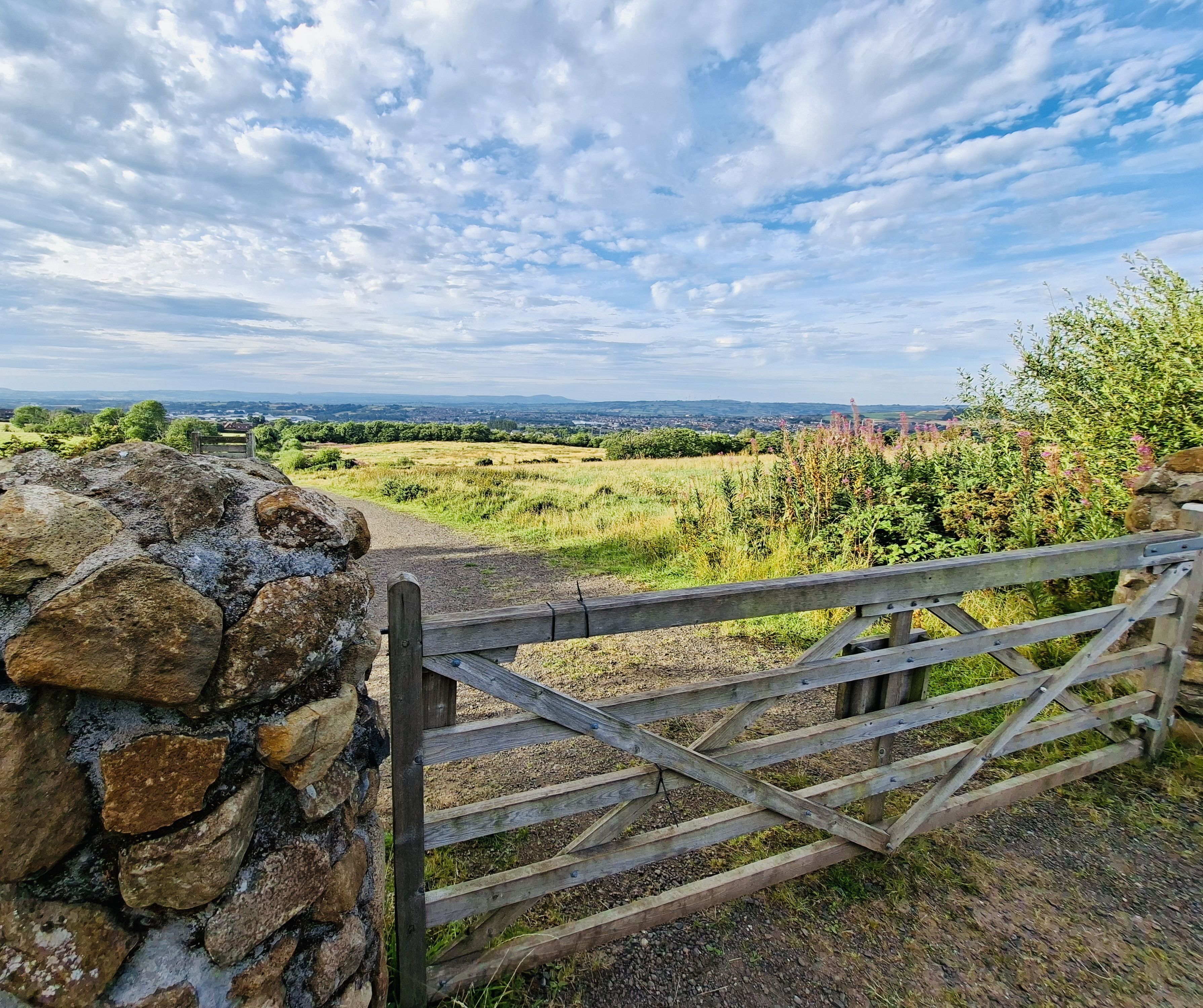
DÚLRA couldn’t wait to get up to Glas na Bradán as soon as he heard the news. The hillside above St Enda’s in Glengormley is a special place – an illustration of what the rest of the Belfast hills could look like.
While other parts of our beautiful hills fall like dominos to housing developments or, in the case of Colin Mountain, are off-bounds to visitors and at the mercy of anyone with a bulldozer, the young Glas na Bradán wood is flourishing. Slowly, of course – the first of the 150,000 native trees were planted just six years ago, including a beautiful holly that Dúlra planted himself after the public were invited to lend a hand.
This week a local birdwatcher reported an absolutely stunning bird hunting there – a hen harrier, cromán na gcearc in Irish. This raptor has been driven to the edge of extinction in Ireland – the Glens of Antrim are among the remote places where it's making a last stand.

This big bird of prey has one massive vulnerability – it nests on the ground. It’s something that’s hard to imagine – how can a bird so big lay eggs and raise chicks among heather?
It needs isolation to breed. But time after time, nesting birds are disturbed by a whole series of human activities from farming to forestry, building windfarms or, more recently, wildfires.
Roaming cattle, sheep, hillwalkers and dog walkers can drive them away. Today, there are no more than 85 breeding pairs in Ireland – 34 of them in the North. Its conservation is considered one of Ireland’s most urgent priorities.
Besides human interference, the land where it thrives – heather-covered hillsides, hedgerows and scrubland – are being gradually eradicated. The last nationwide study showed that not only were nesting sites being disturbed, but adult birds were giving up territories because food was scarce.
That won’t happen on Glas na Bradán. This week the place was glorious. Those 150,000 saplings were shoulder-height and the fields surrounding them were thick with wildflowers. This is perfect hen harrier hunting ground, where they can swoop over the lush landscape and surprise mice and meadow pipits.
When Dúlra visited it happened to be the evening of the eclipse – and so the land was quiet, even though the sun’s rays never totally disappeared. And so it wasn’t such a surprise that birdlife here was less than normal.
But the dander around Glas na Bradán was uplifting. Plump blackberries shone on the briars – a handful of them certainly helps when you’re walking up such an incline. The silence of the darkening hill was only disturbed by the clash of the ash from hurling practice in the ground below – it takes more than an eclipse to stop St Enda’s hurlers!
Dúlra has seen two hen harriers in all his years birding – one on Divis Mountain 20 years ago – again like the one on Glas na Bradán, it was a female, all brown with a white patch on the rump. He saw a male saw a few years back while driving near Dundrod – it flew alongside the car – it’s like a different species from the female, all silver with black wingtips. It was a slick and powerful bird – never again will he confuse it for a seagull!
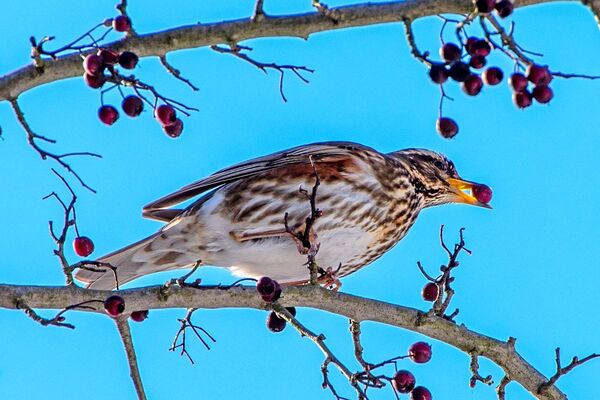
A beautiful hen harrier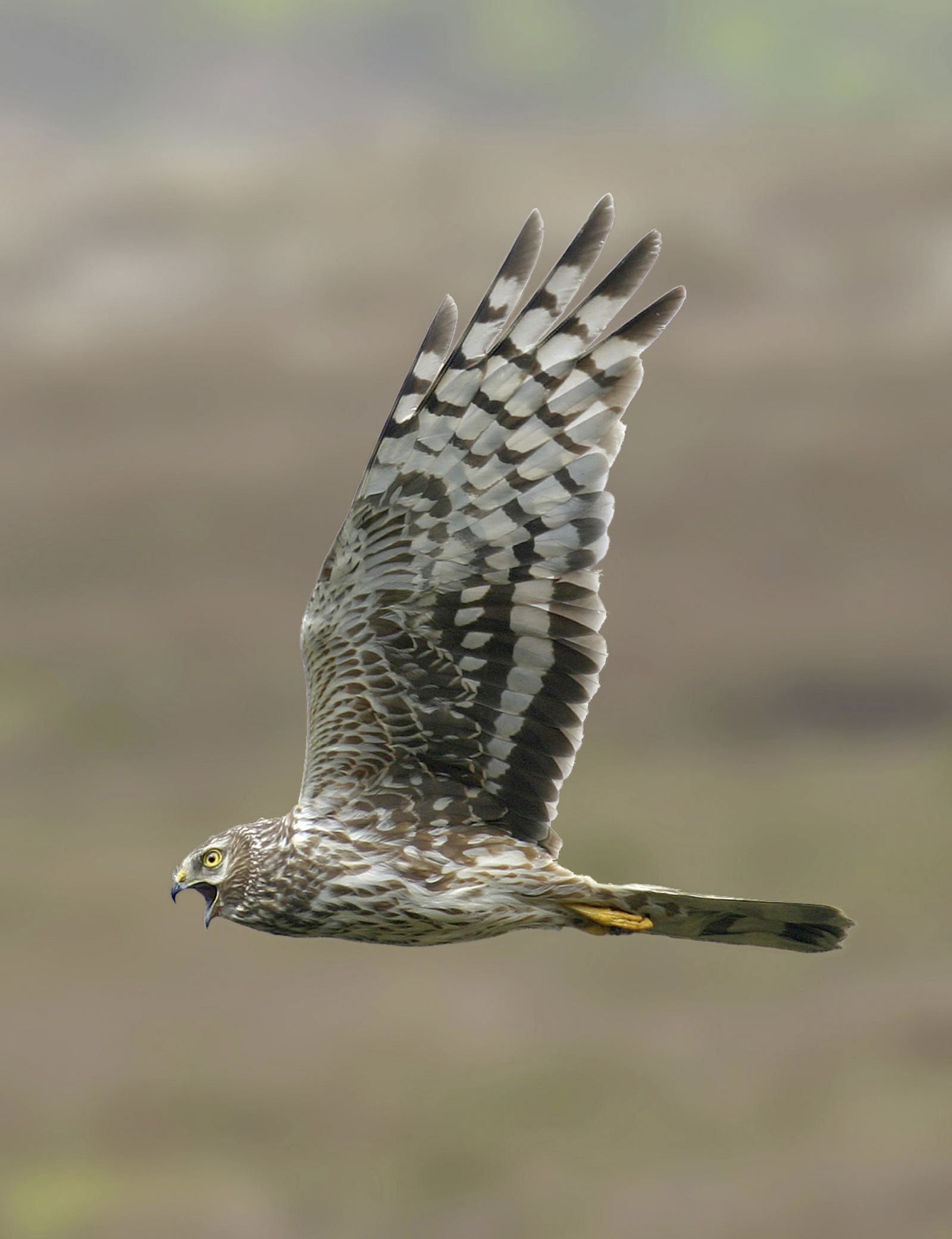

Alas, the hen harrier didn’t appear on Glas na Bradán – but Dúlra knows it’s there. For this bird, a forey down from the Glens of Antrim can be done in a matter of minutes. And they simply won't be able to resist this most perfect of habitats on the edge of the Belfast hills.
* If you’ve seen or photographed anything interesting, or have any nature questions, you can text Dúlra on 07801 414804.