CALLING someone ‘bird brain’ isn’t just an insult to the person – it’s an insult to birds! It suggests birds aren’t the sharpest tools in the box – sure don’t they fly into windows and fight with their own reflection? Aren’t they just reptiles with wings?
There was a price to pay for mastery of the air – and that was to have a tiny, lightweight brain. Or so we thought.
And as for saying that something is 'for the birds' because it's worthless, well, that’s just doubling down on the insult! Because we now know that many birds have brains proportionally much bigger than their bodies – just like us.
And it allows them to specialise. So we are smarter than birds, of course – it’s why you’re reading this – but not in every single way.

Some birds have the power to predict a distant storm – something we need expensive computers to do, and even then we still get it wrong. Other birds, like the young swifts flying around our houses, easily find their way to a spot 12,000 miles away even though they’ve never been there before.
Others can imitate complex songs of hundreds of other species – and learn them off by heart. And of course if you had eagle eyes you could leave those expensive binoculars at home.
A jay can hide tens of thousands of acorns over countless square miles and find every single one of them six months later. It reminds Dúlra of one of his favourite card games called memory that he always loses. You spread the whole deck out face-down and have to try to pick out pairs one player at a time. A jay would hammer him at it every time!
Rather than intelligence, it’s said that birds have ‘genius’ – doing well at things most others do badly. Even the common pigeon has a genius in one area that far outdoes our own – navigation – as they use the world’s magnetic compass to navigate the earth.
We now know birds are closer to humans than reptiles in intelligence.
In judging how intelligent a species is, scientists look at how successful they are at reproducing in a rapidly changing world.
Intelligence is surviving no matter what – and in this measure, birds beat them all. They are wildlife all around us, visible in almost every skyline and even every garden hedge.
Omnipresent even. They are on every part of the globe, from Arctic to the equator, deserts to the highest peaks, on land, sea and of course air.
They are nature’s great success story. In fact there are about 60 birds to every person on earth.
Intelligence is about learning to solve the problems of your environment – and to do that they have to be bright in ways we can’t imagine.
While millions of years ago we got bigger and learned to stand, they were busy shrinking and perfecting lightness and flight. And all the while evolution was giving their minds the magnificent powers they have today.
A great book called the Genius of Birds by Jennifer Ackerman lays much of this impressive behaviour out – but for Dúlra, birds have never seemed stupid. No other creatures are so alert – they are always on the move, trying to find food and trying to stay one step ahead of a diving hawk.
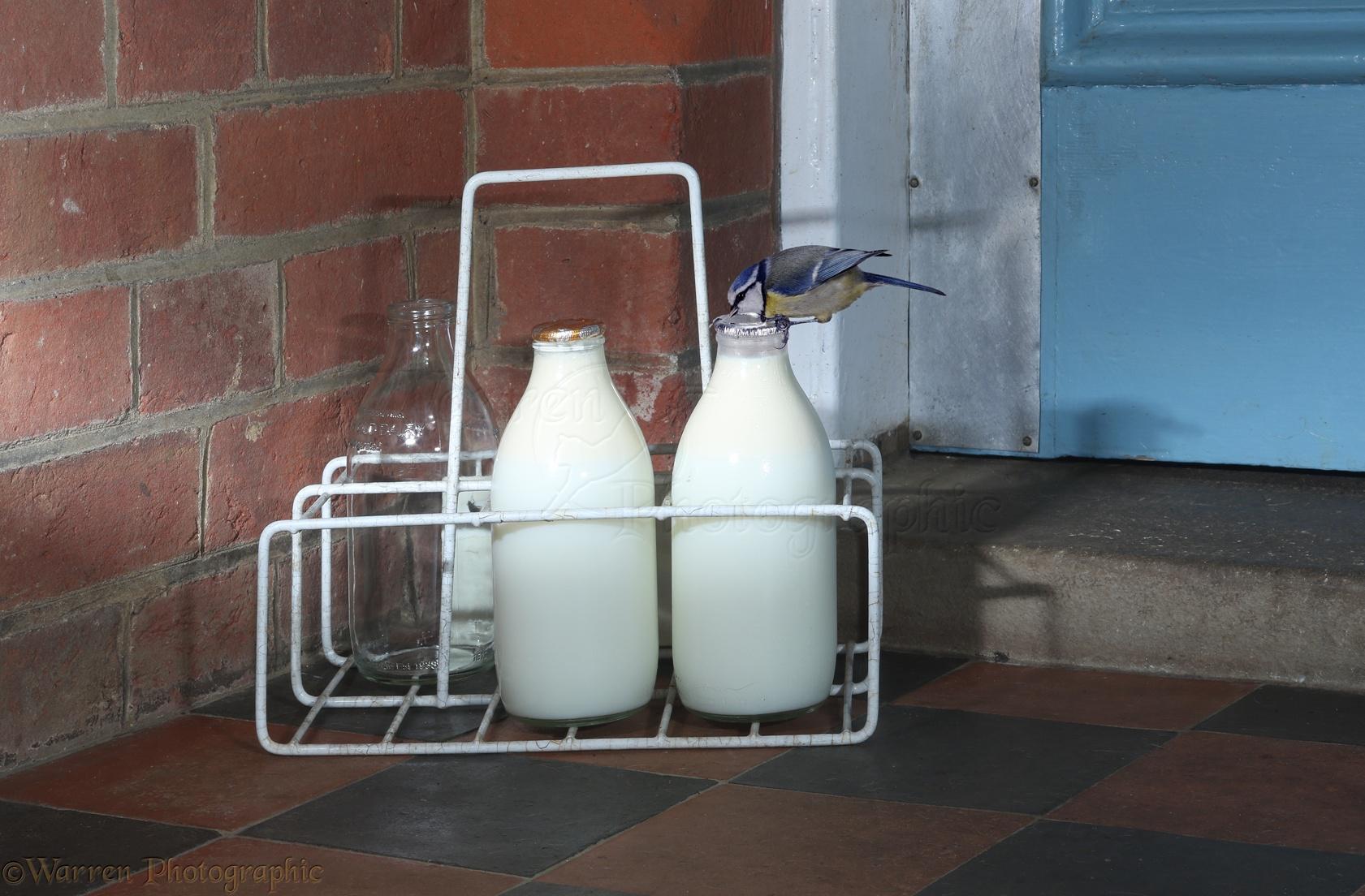
They look like they have too much energy for their tiny bodies – especially birds like blue tits, who can’t stop moving for a second. And only the smartest bird could discover cream under the foil lid of the milk bottles that used to be left at your front door – it kept generations of them alive through freezing winters.
And it’s said that our mutual ability to enjoy sleep sets humans and birds apart, making them both ‘smart’.
Birds have the same cycles of rap eye movement – REM sleep – as humans do, which scientists say play a crucial role in the growth of big brains. We have several bouts of REM sleep each night, while birds have hundreds of them, but each one lasting less than 10 seconds.
But birds have an advantage over us – they can let half their brain sleep while the other is awake – so they can keep one eye open when, for example, migrating, so they can sleep and navigate!
So there you have it – next time you get called a bird brain, take it as a compliment!
* If you’ve seen or photographed anything interesting, or have any nature questions, you can text Dúlra on 07801 414804.