GROWING up in West Belfast, we learnt early that gratitude was part of how a community kept going. We might not have called it an 'attitude of gratitude', but we knew the value of a neighbour, a shared meal and somebody asking, “Are you alright?”
There were families with little to spare who somehow always found something to give. A chair could be pulled up, another cup put on the table, a pot of tea stretched to accommodate whoever came through the door. Looking back, I realise that abundance was often measured in kindness rather than possessions.
That does not mean we should romanticise hardship. There was poverty, loss and fear. Our streets carried more than their fair share of sorrow. Yet, alongside the difficulties, there was humour, generosity and a fierce understanding that we needed one another. Gratitude grew in that soil.

We knew how to appreciate a good laugh because there were days when laughter helped us breathe again. We appreciated friendship because we understood loneliness. We appreciated ordinary peace because we knew how precious an ordinary day could be.
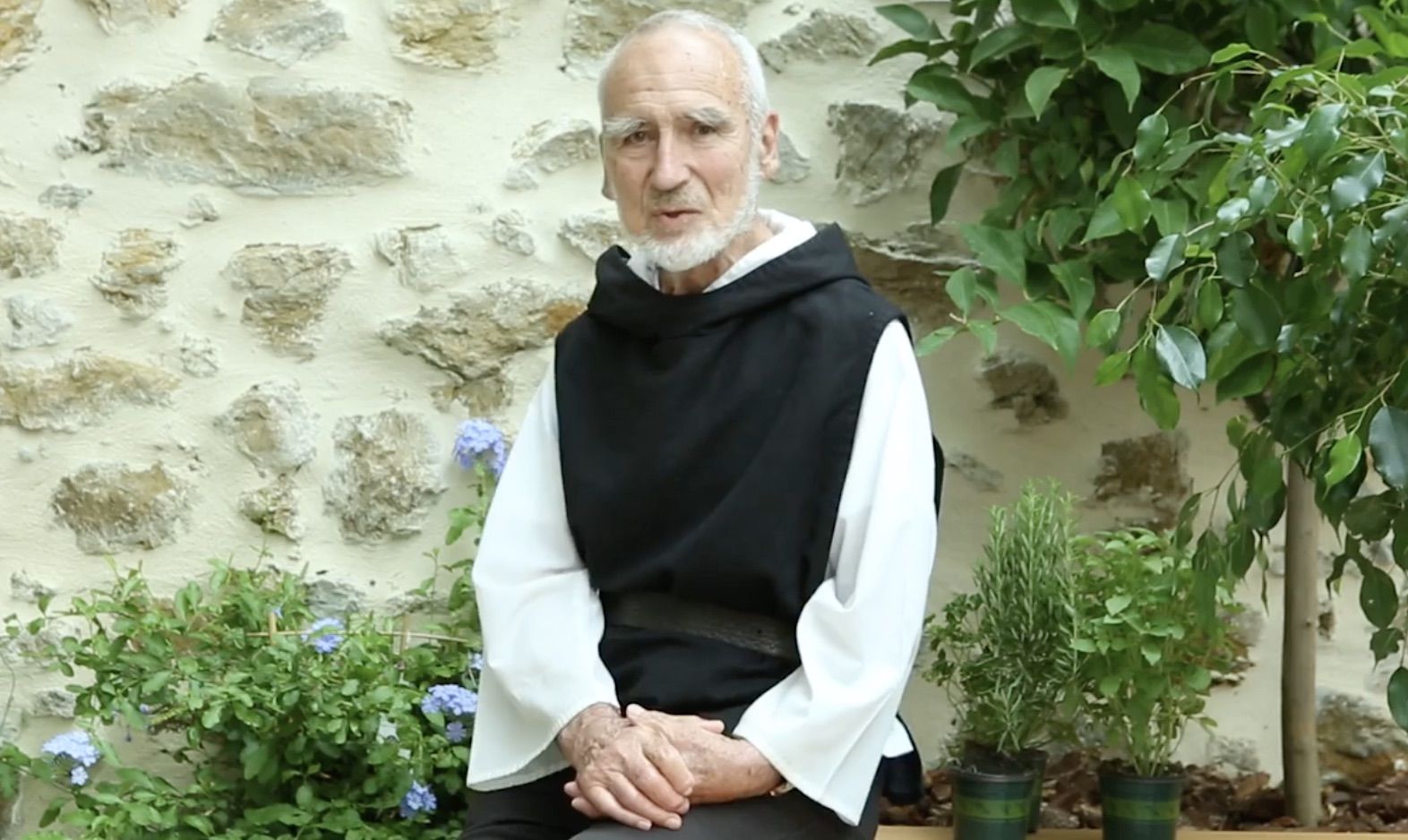
Some years ago, I asked the amazing Brother David Steindl-Rast whether he would come to Belfast to give a talk. To me, he embodies gratitude, a man whose presence seems to invite us to slow down and recognise the gift of being alive.
He was in his late eighties at the time. His response to my invitation was wonderfully simple. At his age, he told me, he did not even buy green bananas.
I laughed then, and I still smile remembering it. There was wisdom tucked inside that wee joke. None of us has a guarantee about tomorrow. We can spend so much time preparing to live that we overlook the life already asking for our attention.
The green bananas remind me to enjoy what is ripe today: The conversation, the walk, the familiar face, the chance to say thank you while the person is still here to hear it.
An attitude of gratitude does not require us to pretend everything is grand. Sometimes things are painful, unfair or frightening. We can acknowledge that honestly and still notice a kindness. We can work to change what is wrong while appreciating those who stand beside us.
In my own life, I have found that gratitude needs practice. My mind can quickly produce a catalogue of what is missing. Pausing allows me to notice what is present. A breath. A friend. Another morning. Another opportunity to begin again.
Perhaps that is something West Belfast taught me long before I ever sat on a meditation cushion: Life becomes more bearable, and often more beautiful, when we recognise what we receive from one another.
We thrive on an attitude of gratitude. Today, I am grateful for the people who taught me that through the way they lived. Their generosity still travels with me, reminding me to keep the kettle on, the door open and a thank you ready on my tongue.