THE cultural and political significance of this week’s Fleadh is being talked about on a par with the 1998 Good Friday Agreement, according to Belfast Tradfest co-founder Donal O’Connor.
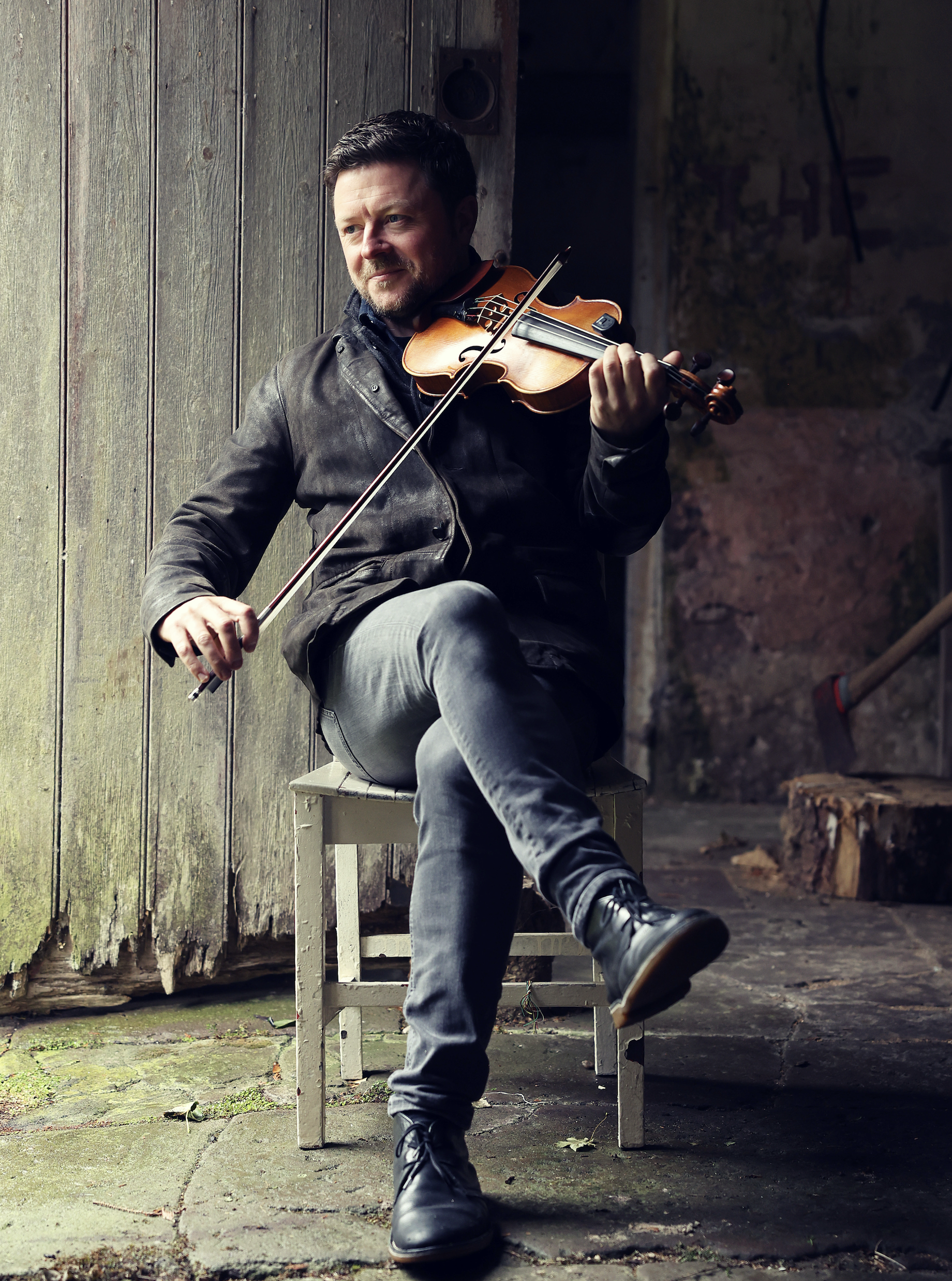
Donal from north Belfast says the city is a global centre for traditional arts with a unique soundscape that simply doesn’t exist anywhere else.
“We consider Belfast is now a global centre for traditional arts, and that we have a soundscape here that doesn't exist anywhere else in the world between the fiddle, the flute, the fife, and the drum," he said.
The musician, artistic director and co-founder of Belfast Tradfest is optimistic about the future following the success of the “transformative” Fleadh Cheoil.
He believes sustained investment in traditional arts is needed now to make the most of it. A week and more of traditional Irish music has boosted Belfast, and attracted in excess of one million people to the city and beyond.

“Belfast Tradfest has laid the groundwork for the last 10 years,” Donal said. "It's about bringing people together to celebrate all that is rich in our tradition here.
“With proper sustained investment, from council and from the other funding bodies we can really expand on the legacy of Fleadh by having our own, indigenous world-class, traditional arts festival.
“It shows when there's joined up thinking between all the statutory bodies, businesses and community, and then with proper financial investment, what can be achieved.
“So we hope that council will have the foresight and the ambition to invest in our festival going forward in a way that we can continue to attract the world to Belfast to celebrate.”
Donal, the fifth generation of traditional musicians in this family, has run Belfast Tradfest since 2017, and received £37,000 council funding this year.
His team’s event runs in the last week of July every year, on a relatively modest budget, and features several hundred performances across scores of venues.
“We employed 1,000 musicians, mostly local, and had an audience of over 50,000 people from 40 countries all round the world,’ he said.
“Belfast Trad Fest has been built on the back of other organisations' work such as Belfast Trad, and Glengormley School of Traditional Music, and Comhaltas. It just amplifies everything. It accentuates everything. And it shows people what's possible.
“Not just in terms of traditional music, but it shows in our city what's possible in terms of pedestrianisation, street cafe culture and more.”
The Fleadh, which has only attracted minimal negativity, has the potential to be a game-changer for the city and beyond.
“It’s going to be a most transformative moment for Belfast and people are talking about it in terms of, culturally and politically, as being a significant as the (1998) Good Friday Agreement in terms of delivering what the people had hoped would happen at that time, being able to come together, to celebrate together, to share the streets together, not be confrontational or have any conflict."
Donal is pleased about the surging interest in learning traditional arts but says the moment needs to be met with proper funding.
“The demand for learning is going through the roof,” he added. “The Arts Council and City Council need to move quickly with funding so local weekly music schools and organisations are ready to deal with demand from September.”
As well as the positive vibe benefits, The Fleadh, which cost multi-millions and is set to exceed predicted economic returns, has been a collaboration between a range of funders.
Fleadh Cheoil will be back in Belfast on the first week of August 2027, and there is potential for a return visit the year after.
For more about Donal’s work and Belfast Tradfest visit https://www.belfasttraditionalmusic.com