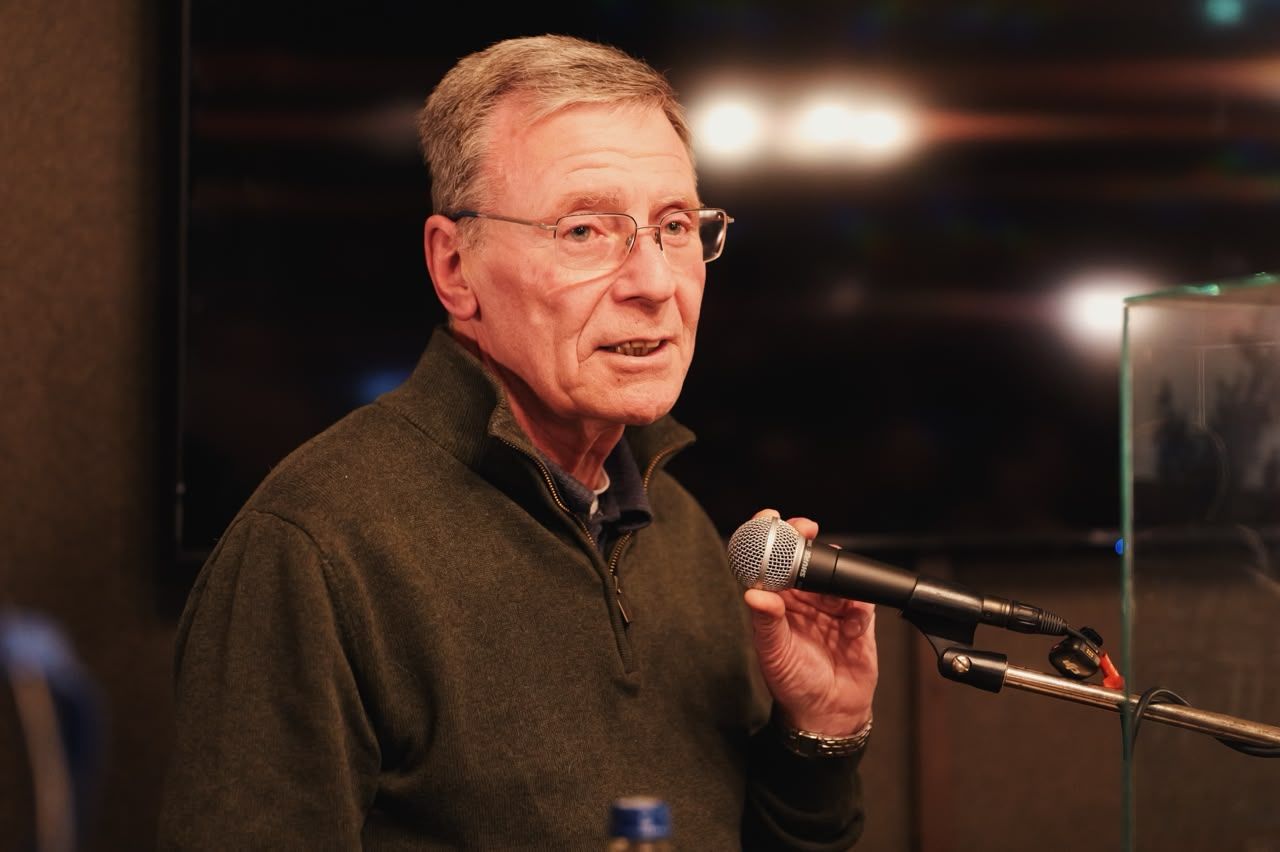
GARVAGHY Road Residents' Coalition spokesperson Breandán Mac Cionnaith has told an audience in West Belfast that "a lot of anger remains" over a Parades Commission decision to permit an Orange Order march through the nationalist area of Portadown two months ago.
On September 25 the Parades Commission approved an Orange Order parade for 35 members of Portadown District on the Garvaghy Road. It was the first time in 28 years that the Order had been permitted to parade on the road.
In the wake of the decision thousands of supporters descended on Garvaghy Road to prevent the march, and a two-week stand-off followed before the parade was eventually banned by Secretary of State Chris Bryant.
On Thursday night Breandán Mac Cionnaith was invited to speak at Casement Social Club at an event organised by Lenadoon Cultural Society.

WATCH: Breandán Mac Cionnaith from Garvaghy Road Residents Coalition speaks to us after giving a talk at Casement Social Club on Thursday night, two months on from the Drumcree stand-off. pic.twitter.com/ZQVNigQi9Z
— Andersonstown News (@ATownNews) November 20, 2026
"Where do I start with the Orange Order in Portadown?" Breandán told the large crowd gathered. "We have to cast our minds back to 1781 with the formation of the United Irishmen," he said.
"Some years later the Orange Order was formed in 1795. The first recorded Orange service took place at Drumcree and they made their way back into Portadown and Catholic homes were attacked along the way and in the years thereafter over 7,000 Catholics were expelled from their homes across the Armagh area.
"The Orange Order was founded as a tool to create division against the United Irishmen and used as a tool by the British Government between Catholics, Protestants and Dissenter and that is what it strives for right up to the present day."
Breandán said that in the decades to follow, attacks on homes and murders of Catholics occurred on a regular basis following the Orange Order service at Drumcree Church.
He also detailed tensions in the 1970s around Obins Street right up to the late 1990s when the march was banned from proceeding down Garvaghy Road in 1998.
"1997 was the worst of the lot with 3,500 troops saturating our community. We don’t know how nobody wasn't killed that year," he said. "TV pictures went around the world and showed what was being imposed on our community. It was the last year the Orange Order marched down Garvaghy Road.
"In the years that follow, despite no marches, our community paid a bigger price.
"Between 1996 and 1999, 21 people were murdered by those acting in support of the Orange Order in Portadown. That included 12-year-old boy Darren Murray, killed after being struck by a car as he fled an attack.
"Adrian Lamph, a Council worker who was shot at his workplace. I remember his father Tommy saying to me later that day, 'Brendan, don’t let them down the road again.'
"Michael McGoldrick was one of the first killed. His widow told me recently, 'we can never let them down the road.'"
After learning of this year's application, Breandán said the local community rallied "immediately" and two months on expressed his shock that the green light was given for the parade to go ahead.
"When the application was made this year, we immediately got together as a community," he continued.
Breandán Mac Cionnaith (Credit: Marty Keenan Bayview Media)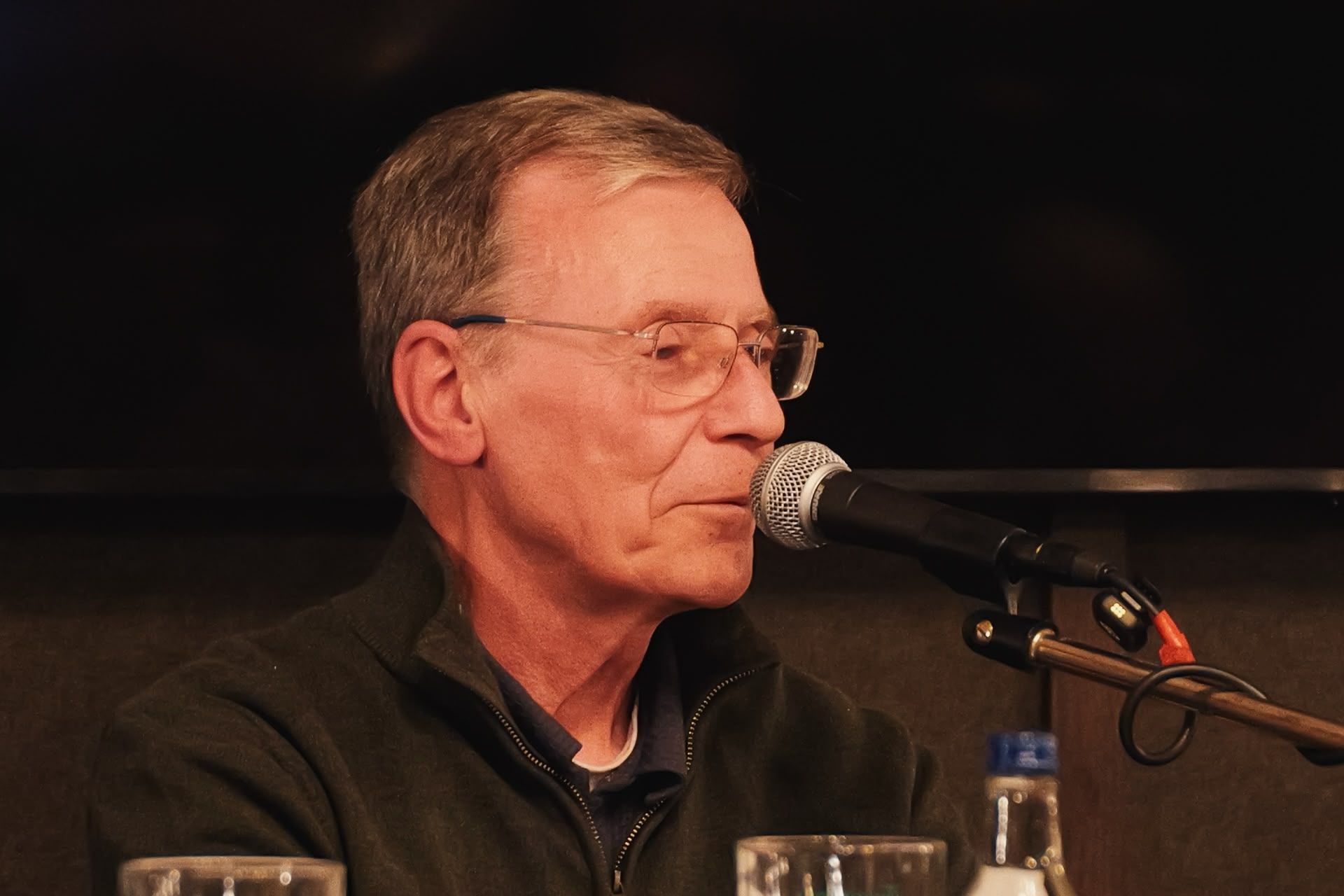

"The view at initial meetings in the community was simple – no march. The parish priest said to me to hold meetings in the parochial hall instead of Drumcree Community Centre. I said to him, it could make it a target, and he said it was only bricks and mortar.
"The support from the clergy was of great comfort to the community. It sent out a clear message that this is a community and our stand was right and just.
"When this decision was made, we were taken aback to say the least. The Orange Order viewed it as a test-run of 35 men with a full application to follow in the future of a full district of up to 1,500 Orangemen. They thought if it was successful once, then they would do it again and again.
"They also made it clear if they got marching down the Garvaghy Road then they would turn to the Ormeau Road, Springfield Road, Derry, Dunloy and all the other places where parades had been banned for over 20 years.
"It is unbelievable that after 28 years that the Parades Commission permitted an Orange march along Garvaghy Road. We had spent two days meeting them and handed them signatures of 3,500 local residents asking them to re-route this parade.
"I haven’t been back to the Parades Commission to ask why they came to the conclusion they did for the simple reason that there is too much anger, even now. They thought my community would lie down."
Breandán admits he "couldn't believe" the support from all over Ireland for the people of Garvaghy Road and says people were boosted by a lack of support for the Orange Order during the stand-off.
"I thought with the 3,500 residents and some of the younger teenagers that we could put 4,500 on the road," he added.
"What we didn’t expect and what we are very thankful for is the number of people from across Ireland who came to stand with us. I couldn’t believe it.
Tim Smith, Pádraic Mac Coitir, Brendan Mac Cionnaith, Glen Phillips, Michael Doherty and Jimmy McDermott from Lenadoon Cultural Society (Credit: Marty Keenan Bayview Media)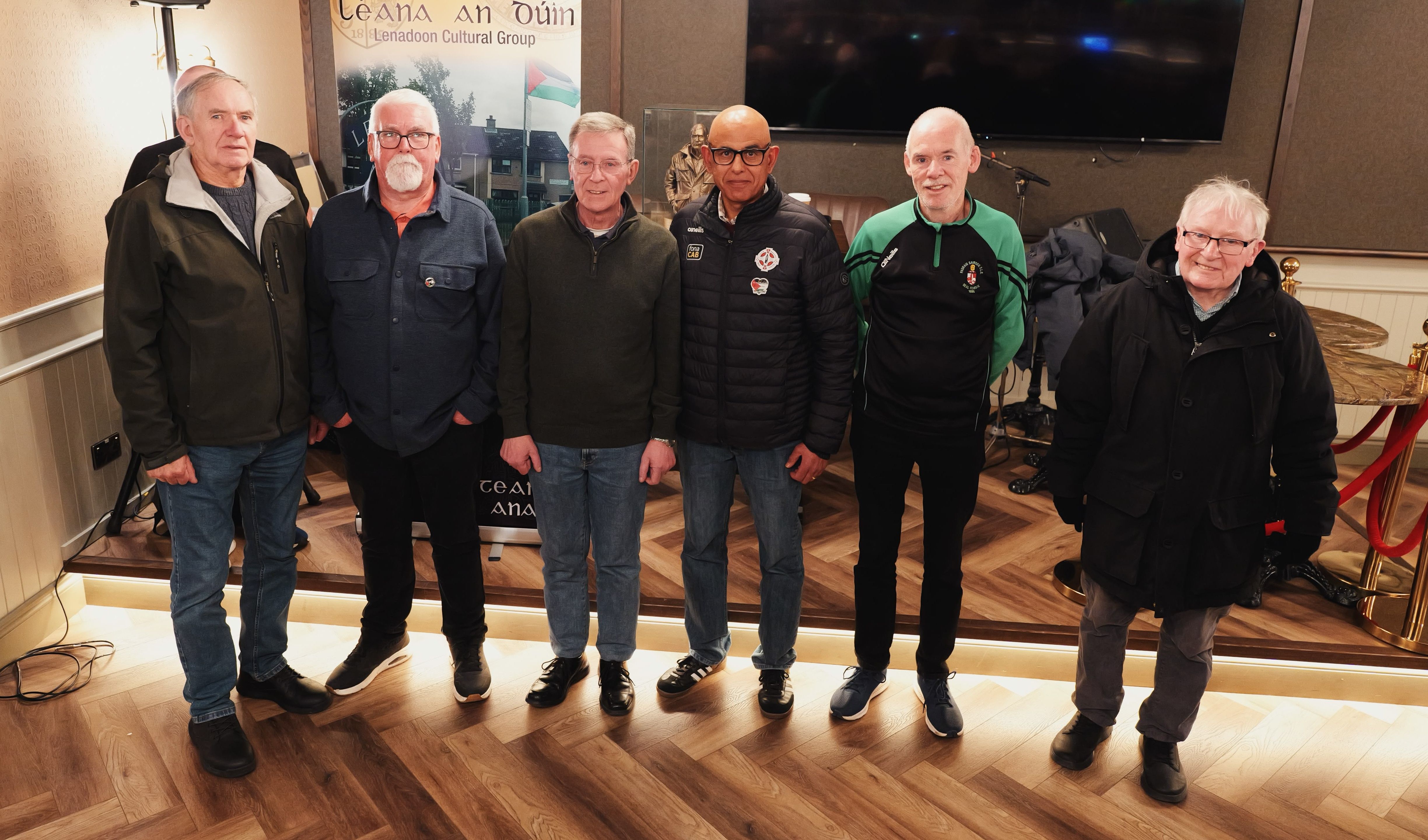
"The one thing that did give us comfort was the lack of support for the Orange Order. An event in Edgarstown only attracted around 300 people. The big rally afterwards in Portadown town centre attracted between 3,000 and 5,000 people and not the numbers they expected to come to Portadown. In 1998, tens of thousands descended on Drumcree hill to support the Orangemen.
"Back in the 90s, there was a few dozen Protestants from the Greenfield Community who supported us. This year there was an open letter signed by 1,500 Protestants calling for the re-route of the march. That showed us and probably the Orange Order and the Parades Commission that they had made a big mistake.
"The message from our community and wider afield was clear – we were not going back to the '90s and not going to accept a forced march on Garvaghy Road."
In a question from the audience, Breandán also hit out at a PSNI intelligence report over potential dissident republican trouble during the stand-off, describing the report as "a million miles off" what was actually happening on the ground.
"They would have had to look at the every possible scenario from the worst to the least worst case scenario. I would say every one of those scenarios generated some sort of police report," he stated.
"On the Sunday when people mobilised on the road, police were in their Land Rovers. By about the second day, they were walking about the area. Nobody was threatening them. They weren't in full riot gear.
"The reality of what was happening on the ground and what was being generated in so-called intelligence reports are two different scenarios. They are a million miles away."
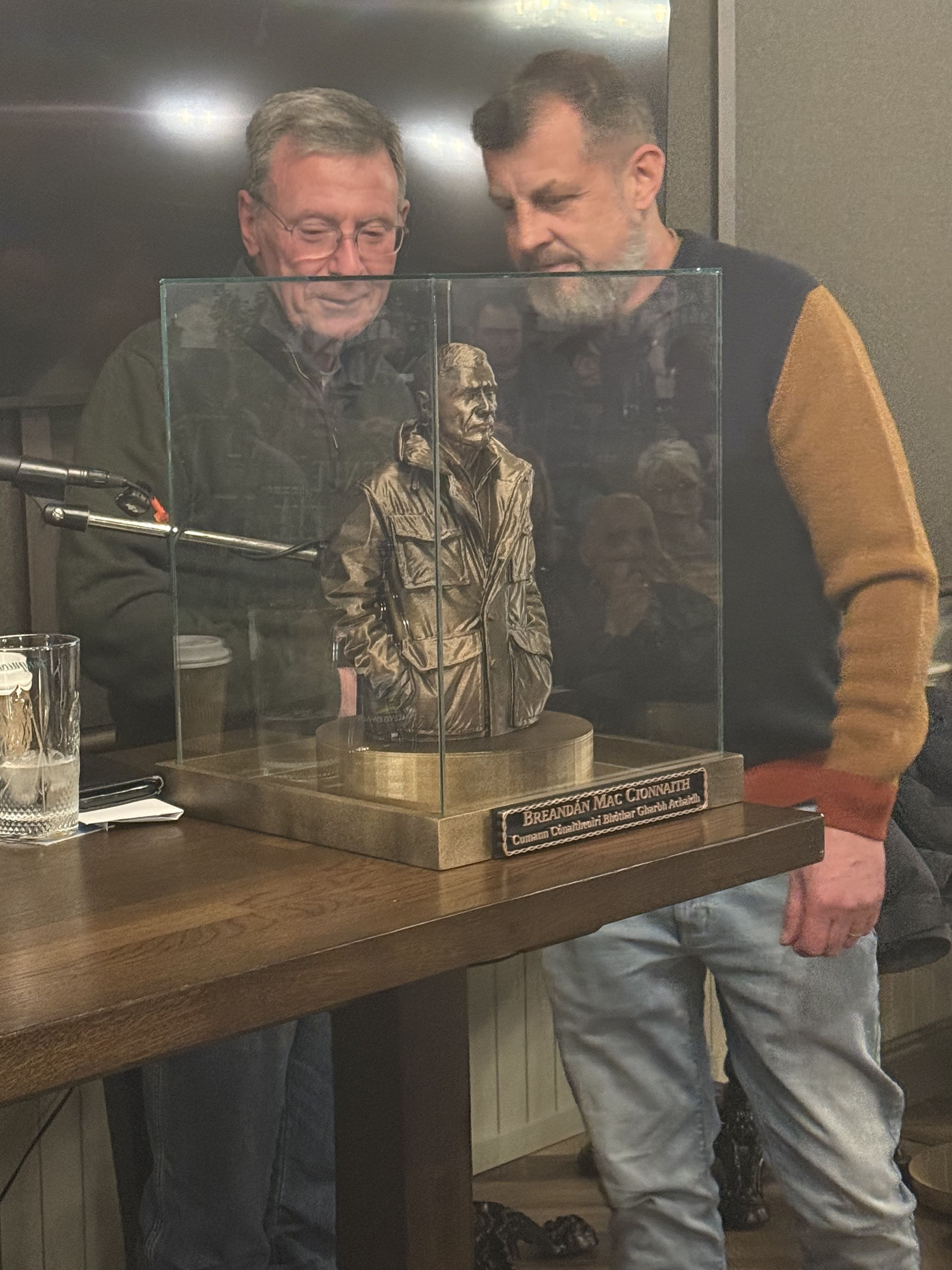
Following the talk, Breandán was presented with a statuette of himself by Lenadoon Cultural Society.