FOOD labels are designed to give consumers reliable information that is clear and accurate so people can make an informed decision on what they are buying.
Most people tend to think of food as healthy or unhealthy, good for you or bad. A better way to look at food is to ask whether it is more nutrient-dense or less nutrient-dense. But companies can use this healthy or unhealthy halo to their advantage in their branding and packaging to maybe make people think that a certain food is better than another.
Certain seductive claims like low fat or low sugar can lead many people to overestimate how healthy a food actually is and can sometimes discourage people from actually reading the full label. Just because a label states low fat, it doesn’t always mean fewer calories; it just means that there is less fat than the original product. People often associate calories with just fat but in fact we get calories from carbohydrate and protein also. When fat is taken out, sugar can be added in to these products to compensate for lost taste.

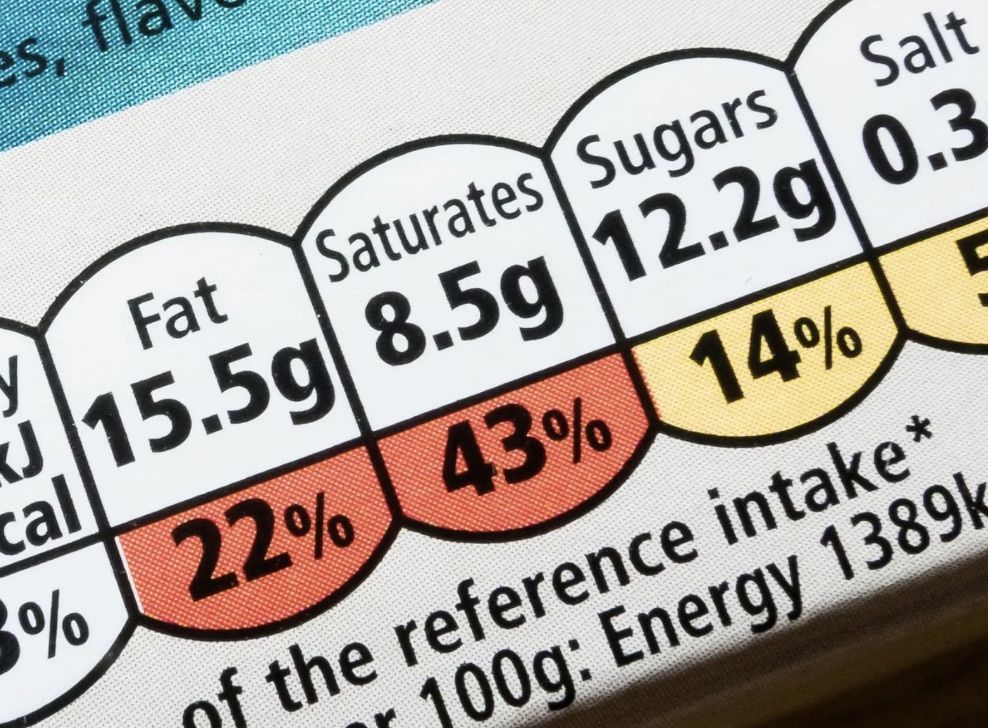
Low sugar is another one which is similar to the fat example. Yes, it will mean less sugar added to it than the original product but fat can be added in to compensate for lost taste. Always read your food labels and where possible follow the traffic light system. The traffic light system isn’t mandatory for food labels, so you won’t see it on every single product.
Lee McCusker (BA; MSc; MSc; MSc; ANutr; SENr) is a registered nutritionist from Belfast and can be found on Facebook, Instagram and Twitter. Email: attentive nutrition@gmail.com