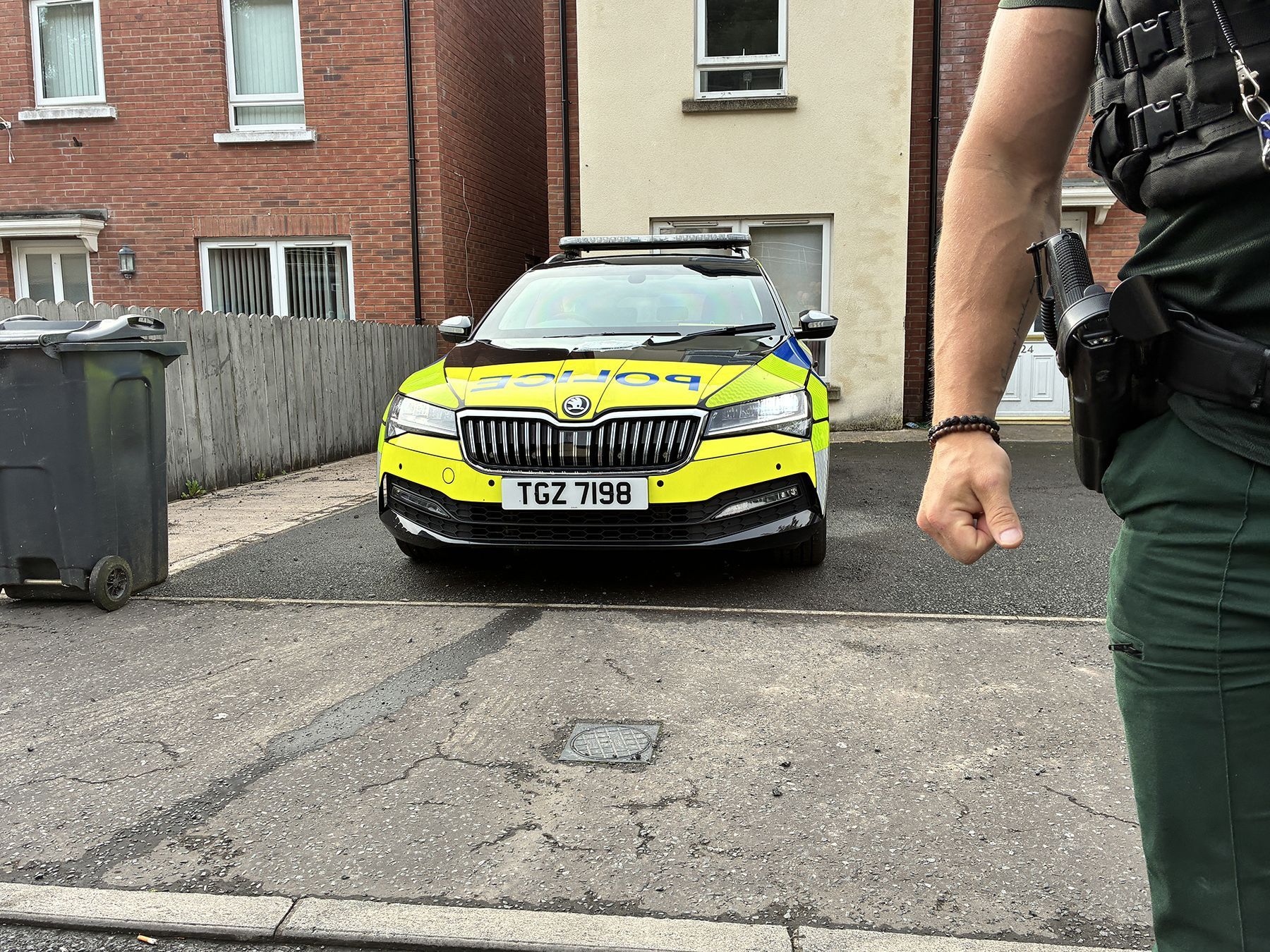
I FIRST heard the word 'copaganda' in a casual conversation a few years ago. A person, firmly part of the peace process generation, had noticed that they were being targeted by programmes trying to make the PSNI cuddly. I paid fleeting attention.
When the show 'Peelers' came out last year on BBC, I wasn’t interested in it. I don’t like the well-trodden approach of fly-on-the-wall media types accompanying emergency services as they “do their job”. Watching cameras being stuck in the faces of people at their most vulnerable, to make sensational media, happens to sit uncomfortably with me.
There are many, many examples where the young, or working class, or mentally unwell, or homeless, or addicted, are objectified and dehumanised, supposedly for our entertainment. Last year’s video, "How’s your mummy" became "f*** you and your ma", later to feature on Fleadh t-shirts and hats, may have become viral, but at the heart of it was a woman who at the time she was filmed was clearly vulnerable, who never chose to become a social media sensation, and quite possibly had her agency taken from her by a production company, ably assisted by the PSNI.
There were scenes of a 'drug den' where addicted users spoke on camera. Their vulnerability could not have been more evident; questions of consent might be asked if they were citizens who had the wherewithal to challenge anyone, let alone the litigious BBC, its presenters, the companies the BBC pays to make these programmes, or the PSNI, with whom the vulnerable are often in routine conflict.
It is in this context that when the Police Ombudsman released her report last week informing us that the PSNI had sacked two officers for taking inappropriate and degrading photographs of vulnerable people there were obvious and uncomfortable questions to be asked. Yet they remained hanging.
The officers in question were found to have taken videos and pictures of people who had requested assistance, reported crimes, were intoxicated or considered at risk of self-harm. Some were filmed in people's homes, others in hospitals and in police vehicles. If a fly-on-the-wall programme had instead done the filming, screened it with commentary that still said, “Look at this”, but was not from the officer’s phone, would that have been okay? Are the standards sufficiently defined so we can assess when it is acceptable to exploit the vulnerable, and when it is a sackable offence?
If these scenes were replicated in a popular drama which is written with PSNI officers’ routine advice, and filmed using PSNI equipment, would that have been less exploitative?
The PSNI is engaged in a huge PR campaign to try to assert its legitimacy. The BBC is a key arm of that campaign. Rather than addressing its core problems with a Patten-style review which holds its hands up and creates the change that is needed, it tries to blame Sinn Féin for not driving recruits to Garnerville, and uses copoganda to tell us they have irregular policing challenges (which they don’t) and we all just have to sympathise with them.
But while we discuss the fundamental ethics of this, I have one last question: Why is my licence fee paying for this charade?