NATIONALISTS in the North – usually referred to in the media as Northern nationalists, a term I dislike – have long felt they are the poor relations of the Irish nation, a part of it but yet not part of it. Abandoned in 1920 as a result of partition and ignored in the decades following. Even when the civil rights movement put a renewed focus on the appalling living conditions of nationalists living in a state that didn’t want them, the southern establishment remained largely aloof.
But all that has changed. In the North the popularity of Irish unity has moved on dramatically in recent years. Population and political demographics too have changed, manifest most clearly in the election in February 2024 of Michelle O’Neill as First Minister. The Brexit vote in 2016, in which a majority in the North rejected unionism’s dalliance with the Tories, was also evidence that the public mood was changing.

Public opinion has also been shifting in the South.
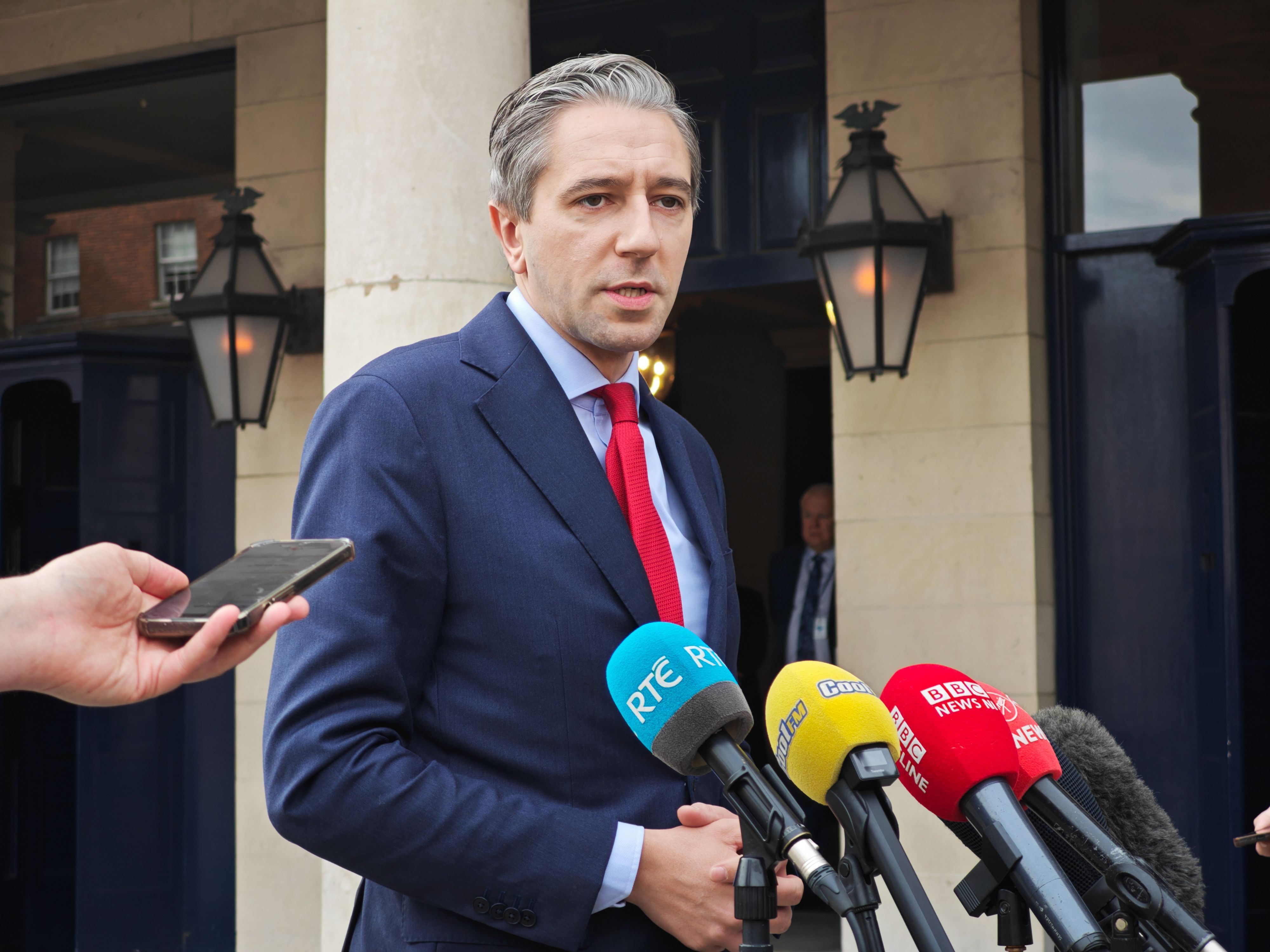
Over the past few weeks the two main government parties, Fianna Fáil and Fine Gael, have embraced the need to plan for unity. This shift in policy approach is to be welcomed. Two weeks ago Fine Gael published: ‘A Blueprint for a Unified Island’. Last week, party leader Simon Harris TD wrote to the leaders of all of the political parties on the island seeking their views on Irish unity. In his letter, Harris describes this as an opportunity for “meaningful and respectful engagement” on the future shape of constitutional arrangements.
The proposal for the establishment of an “independent, government-supported, interparty and consultative Forum to examine the arrangements that could make a Unified Island workable, acceptable and attractive to people of different identities and traditions” is welcome. It is similar to Sinn Féin’s proposal for a Citizens’ Assembly or Assemblies. Whatever the differences in title or tone, both suggestions are about encouraging the widest possible public consultation and participation within the parameters set by the Good Friday Agreement.
One area of concern is the extended five-year timeframe for the Forum being proposed by Fine Gael, with a possible extension to seven years. Another is the claim that the potential estimated cost of ending partition in its first year could be €25 billion.
Most economists who have written on this issue of cost have estimated a first year bill of around €3 billion, reducing rapidly after that and with long-term economic benefits far outstripping this initial figure. Even the Fine Gael document notes that published estimates “differ widely”. And it states that the cost will range from “circa €3.2 billion to €25 billion, depending on the design, the deal with the British Government and the harmonisation of pay, pensions, and public service provisions...”
These differences only underline the importance of encouraging the widest possible public and political consultation. Inclusive conversations about the future constitutional options available to the people of the island of Ireland can only be a good thing. Such conversations will allow for greater understanding of each other’s positions, as well as producing considered governance, economic and societal proposals.
While not all parties have yet responded it would be expected that most if not all of the republican and nationalist parties will engage constructively. The SDLP have welcomed the Fine Gael invitation as have the Social Democrats. Uachtarán Shinn Féin Mary Lou McDonald described the preparation for the unity referendums as “now urgent”. She called on the Irish government to take “those necessary and decisive steps now, including publishing a comprehensive Green Paper on reunification that examines the political, economic and social implications of constitutional change.”
The initial negative response from the unionist parties will have surprised no one. DUP leader Gavin Robinson dismissed the Fine Gael proposals as a “crass attempt” to “outbid” Fine Gael’s rivals in Dublin – presumably he means Fianna Fáil and Sinn Féin. The Ulster Unionist Party leader Jon Burrows response was immature. He said the UUP will have nothing to do with a “republican invitation to commit political suicide.” Jim Allister told Harris to “butt out of the affairs and future of those pleased to be part of a larger and more prosperous United Kingdom.”
For her part the leader of the Alliance Party Naomi Long said that her party would “engage respectfully” and would participate “without prejudice to how we might decide the constitutional question”.
Whatever the negativity from the leadership of political unionism and the silence from London, the reality is that the issue of Irish unity is now at the top of the political agenda – North and South. At no time since partition has reunification dominated the conversation as it is today. Well done to all of those in political and civic society who have achieved this. Of course there is substantive work ahead as we seek to produce strategies and policy proposals that can win support in the upcoming unity referendums. A major part of this effort will focus on persuading our unionist neighbours that their self-interest lies in a new constitutional agreement with the rest of us.
I believe this is a doable, achievable goal. Already there is evidence that a section of northern Protestant/unionist opinion is shifting toward Irish unity. If united Irelanders, irrespective of our differences on other matters of policy, work together in good faith I am confident that we can persuade many more.
Shane MacGowan tribute a poignant reminder of his genius
‘20TH Century Paddy – The Songs of Shane MacGowan’ is Victoria Mary Clarke’s tribute to the love of her life, Shane MacGowan. She deserves great credit for this 36-track album with over 50 per cent of royalties going to the Simon Community. Thank you, chara.
The cast of singers and musicians – from Springsteen and U2 to Damo and Moya Brennan, Tom Waits, Hozier with Jessie Buckley – gives us a great mix of interpreters of Shane’s work. The variety of voices will have the listener comparing their versions of Shane’s tunes with the originals. That is natural. And a good talking point. But Shane’s voice and the Pogues’ music is so unique, original and distinctive that comparisons are a waste of time.
LEGACY: The cover of the new Shane MacGowan tribute album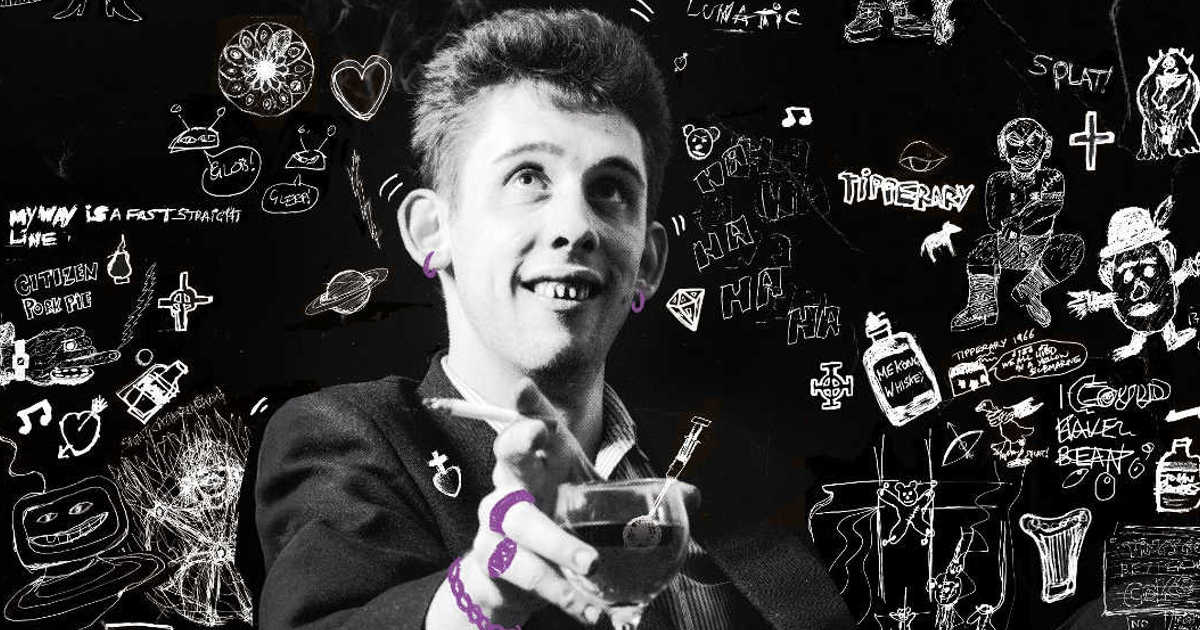

Nothing can compare with Shane and Kirsty McColl’s original ‘Fairy Tale of New York’ but that shouldn’t stop us enjoying Hozier and Jessie Buckley’s version on this album. And so with every other offering. I even appreciated Bob Geldof’s ‘Saint John of Gods’. And so with every track. This album is well worth a place in your collection.
What is its strength? Shane MacGowan. This album is a tribute to his genius as a songwriter, a wordsmith and a lyricist. His instinctive affinity with the down and outs, the outlaws and addicts, the down trodden and lost souls, his sense of fun and essential Irishness and the universality of his sentiments woven into musical word pictures with grace, humour and an uplifting sense of redemption.
Well done, Shane MacGowan. And the Pogues. And the Nips and the Popes. It is good that all these earlier musical initiatives are recalled.
This album is also a reminder that Shane is no longer with us. There is a poignancy said and unsaid about his absence, though he is present in every track. Memories too of Moya Brennan, Sinead O’Connor, Kirsty McColl, Glen Hansard and all these great souls who lifted us with their ceol and their collaborations with Shane and the Pogues.
And many more. Their music is alive yet. Like the music of Shane MacGowan. All invoked by listening to 20th Century Paddy.
Read all about it
THIS week Sinn Féin’s online magazine ‘Éire Nua – Building on the Momentum’ has been published. It is available free at sinnfein.ie/eire-nua/
This is the 14th edition of a magazine which is published three times each year. Its aim is to promote the conversation around a united Ireland. It contains thoughtful, considered articles from Sinn Féin activists, academics, civic society and interested individuals.
The current edition contains contributions from Michelle O’Neill, Professor Ruan O’Donnell, Michael Pierse of Queen’s University, Caoimhe Archibald MLA, Órfhlaith Begley MP, Eoghan Mac Cormaic, Chris Turley and many more.
It reports on the economic benefits of Irish unity, the price of partition, the work of Sinn Féin’s Commission on the Future of Ireland, the Good Friday Agreement and the campaign for unity taking place in in the USA and Canada.
Éire Nua provides information and analysis of Irish unity and looks forward to future constitutional change.