AN iconic but long-forgotten piece of West Belfast’s heritage could soon be revived as local residents launch an ambitious plan to restore St Matthias’ historic 'tin church' and transform it into a vibrant community hub.
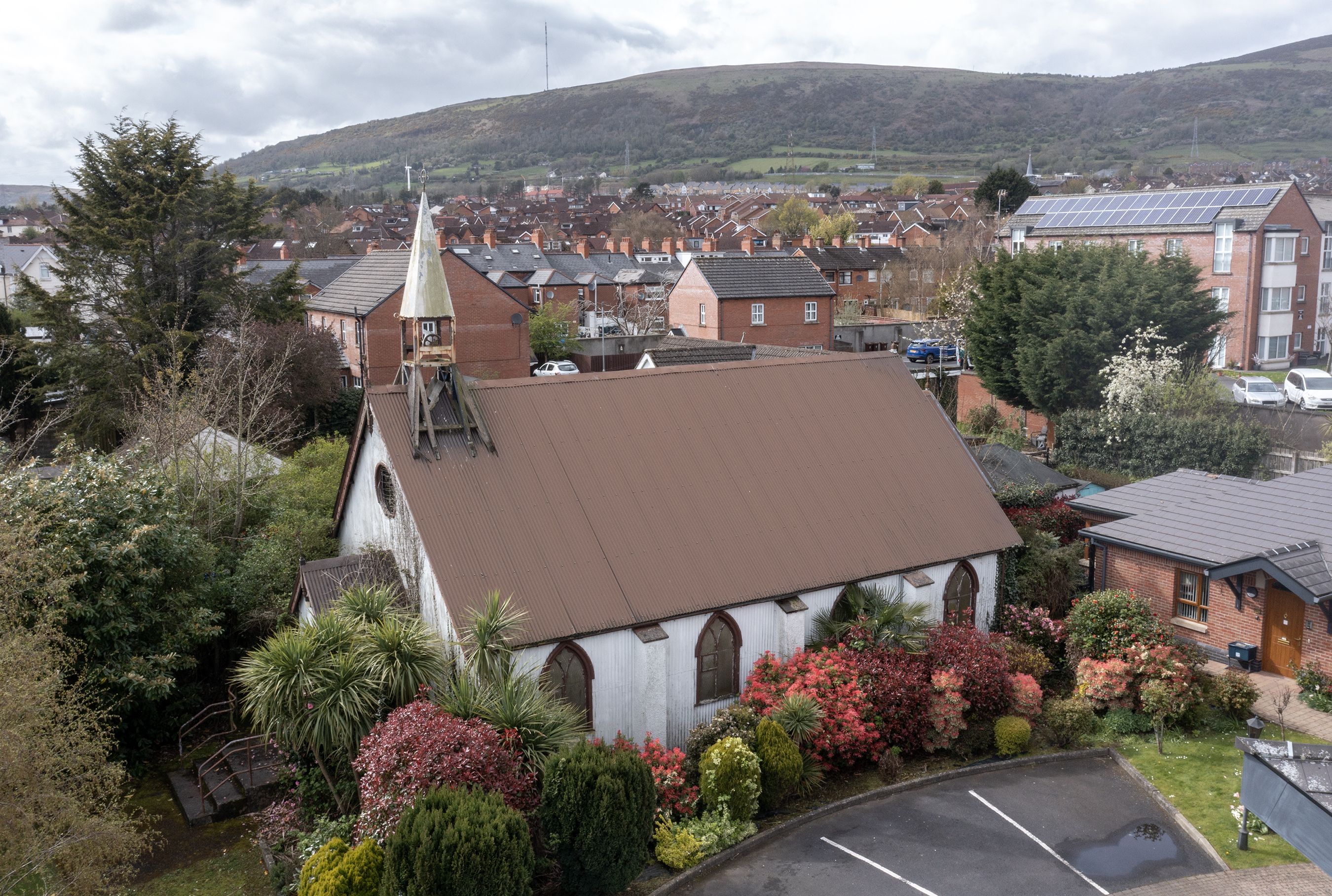
Tucked away beside the newer St Matthias’ Church on the Glen Road, the distinctive prefabricated structure has stood closed for more than 25 years.
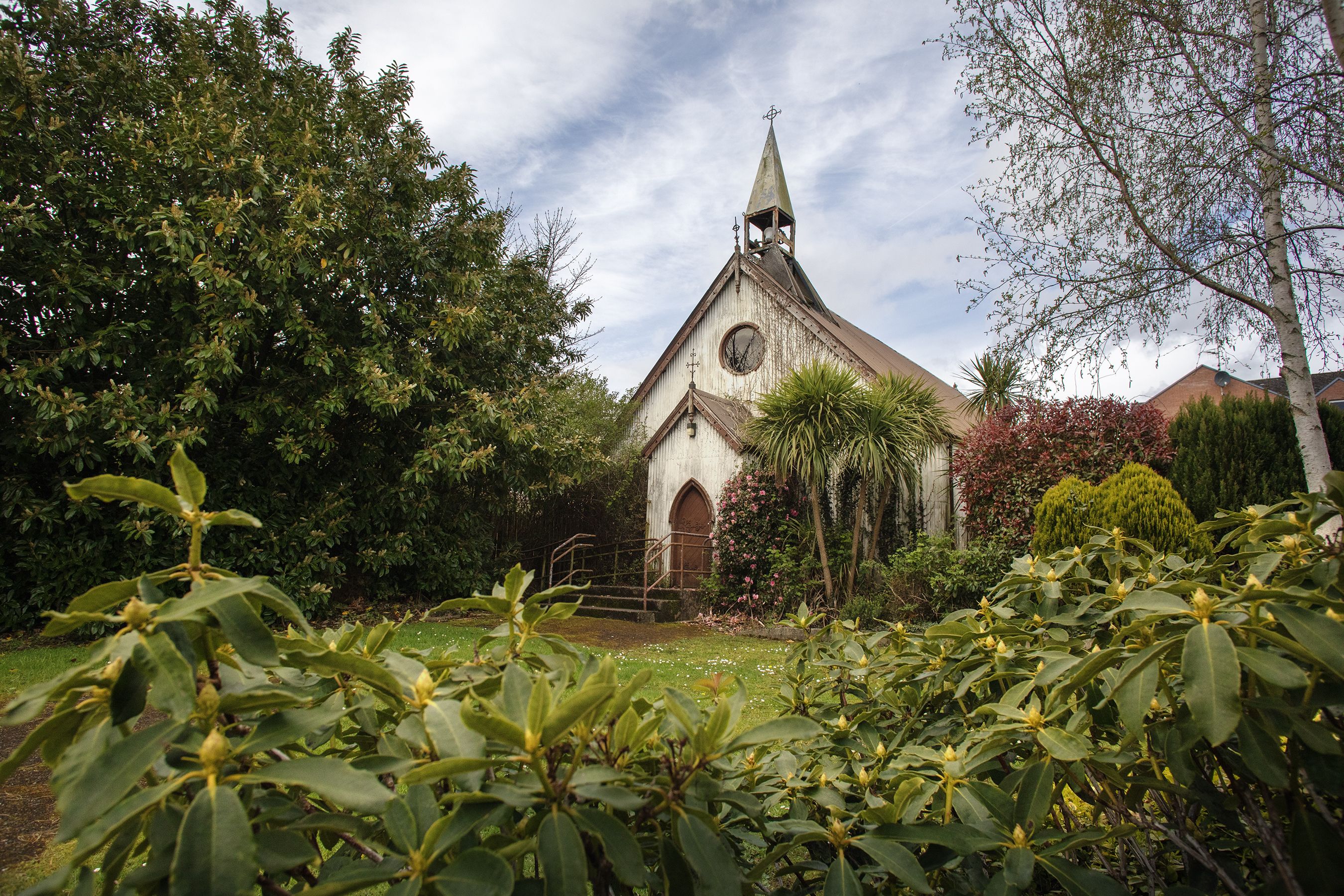

Originally built in 1892 as St Luke’s Mission, the Church of Ireland building is one of only eight remaining “tin churches” in Ireland—earning it listed status in 2001.
Manufactured by Harland and Wolff, the church is a rare example of 19th-century flat-pack architecture. During that era, prefabricated iron buildings were shipped across the world as affordable and efficient solutions for places of worship, gaining particular popularity in the United States.

The building was later reconsecrated as a Catholic church in the 1970s and renamed St Matthias’. However, by the late 1990s, structural concerns led to the construction of a new church on the site, which opened in 2004, leaving the original structure unused.
Now, in 2026, a local community-driven campaign is gaining momentum to breathe new life into the historic building.
The level of public support is already clear, with more than 400 comments online from local residents sharing memories of baptisms, weddings and other family milestones connected to the church.
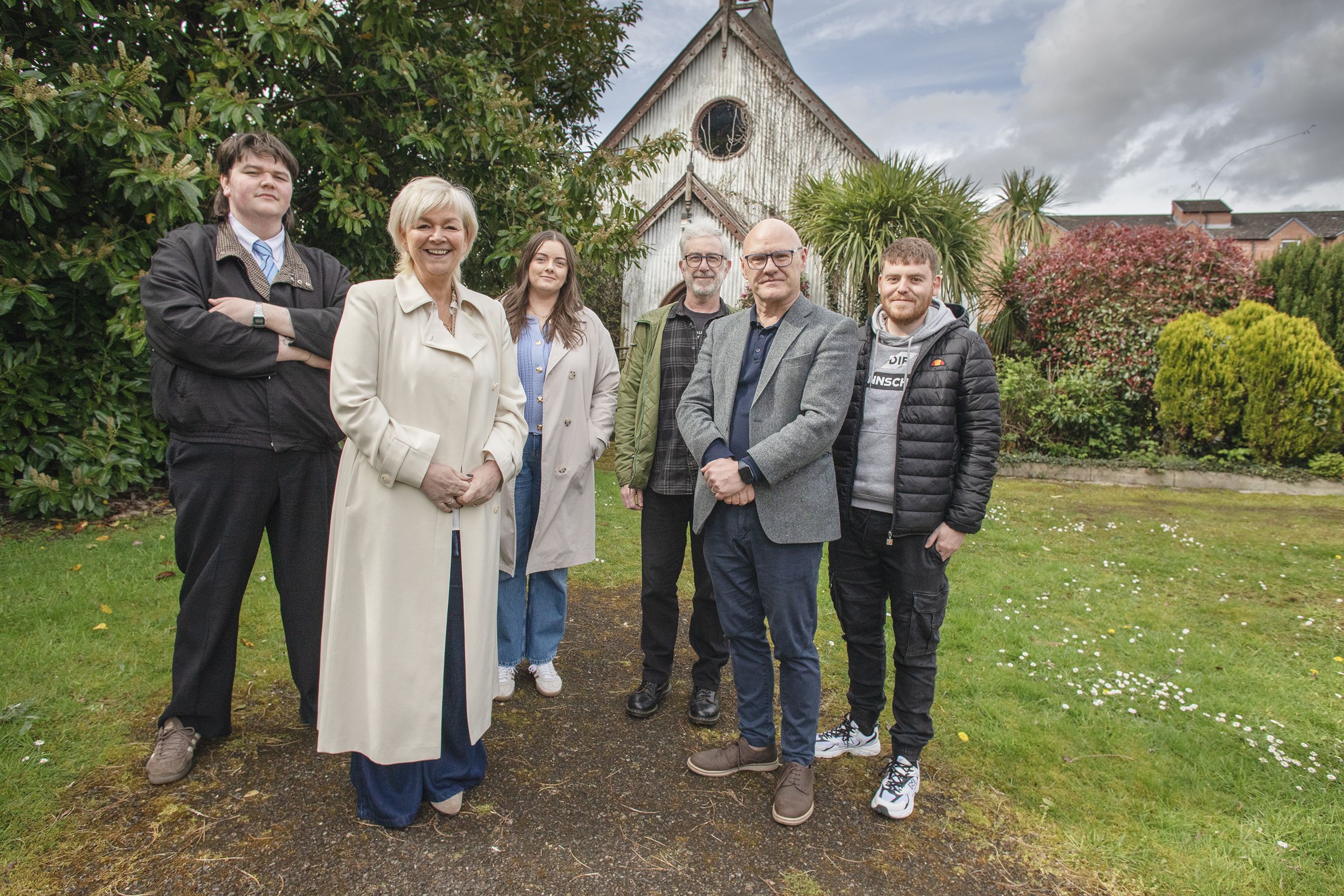
Local resident Nuala Neill, alongside her son Ethan, is leading the St Matthias Project and are working with elected representatives to explore how the site can be reclaimed for community use.
Following a recent site visit involving local representatives, Fáilte Feirste Thiar and the Heritage Lottery Fund, Nuala said there is growing optimism about the project’s future.
“We’re very grateful to have teamed up with Fáilte Feirste, who are guiding us through the next stages,” she said. “There is real enthusiasm for including St Matthias in the West Belfast Heritage Trail, which feels like a perfect fit and a meaningful way to protect and share the story of the building.
“We’ve also had a site visit from the Heritage Lottery Fund, who were extremely encouraging, and bit by bit, the pieces are coming together.
"We have a vision for the space as a welcoming, creative hub designed to bring generations together.
"Proposed uses include arts and crafts workshops, creative writing sessions, exhibitions for local artists, and seasonal events such as Christmas concerts. The space could also provide a respectful setting for post-funeral gatherings.
“This project is about more than activities," said Nuala.
“It’s about honouring the story of St Matthias itself. The wee 'tin church' is a rare and precious piece of local heritage. We want to gather memories, photographs and stories so that its history is preserved and passed on.”
West Belfast MP Paul Maskey, who helped establish a steering group to drive the initiative forward, said the response from the community has been overwhelming.
“This is a fantastic piece of heritage in our local area, and I’ve been blown away by the memories people have shared,” he added.
“These are special family stories that show just how much this place is treasured and highlight its potential for tourism and community use if we can bring it back to life.
“This initiative will be led by local residents, supported by ourselves and West Belfast’s leading tourism organisation, Fáilte Feirste Thiar, who bring a wealth of experience in heritage development and asset management.
“We are working alongside the Diocese to determine the next steps and look forward to consulting with the community on future uses. This is a really exciting opportunity to bring a piece of local history back to life.”
Eimear Hargey of Fáilte Feirste Thiar also highlighted the cultural significance of the project.
“St Matthias’ Tin Church represents an exciting opportunity to showcase the richness of West Belfast’s heritage in a way that truly connects with visitors,” she said.
“Our strength as a destination lies in the authenticity of our stories, and this is a powerful example of living history.
“Its preservation is essential to protecting the distinct character that draws visitors to the area, ensuring local history remains visible, accessible and rooted in community.”