2026 began wet and gloomy, but the first hints of spring are finally showing. Snowdrops and crocuses have flowered, daffodils are beginning to bloom, trees are starting to bud, and the evenings are slowly growing lighter.
For gardeners, these small signs mark the real start of the season. Thoughts quickly turn to what to grow, what to prepare, which seeds to buy and when to start sowing.
It is worth setting aside a day to put those ideas onto paper and plan the season ahead. Time spent planning pays off many times over. You will know which seeds and varieties you actually need, avoiding the temptation to overbuy and reducing the number of packets that sit unused in the shed.
A plan also helps calm the gardener’s usual spring panic. With a rough roadmap in place, you have a clearer sense of the season ahead. Of course, a plan is only a guide — gardening rarely follows it exactly. If it did, we would all schedule the perfect balance of sun, warmth and rain.

Start with a simple space inventory. Draw a basic plan of your garden, including raised beds, pots, wall planters and even that old wheelbarrow you plan to use. The aim is to make the best use of every available corner.
Once that is done, decide what to grow — vegetables, herbs and perhaps a few flowers for the bees. Begin with what you actually enjoy eating. There is little point growing something that ends up unused in the kitchen.
Be wary of fashionable crops promoted by gardeners growing in very different conditions. Instead, think about what grew well last year and what you enjoyed harvesting. If you are new to growing food, take inspiration from local market gardeners. What filled their veg boxes last season, and which of those would you happily cook at home?
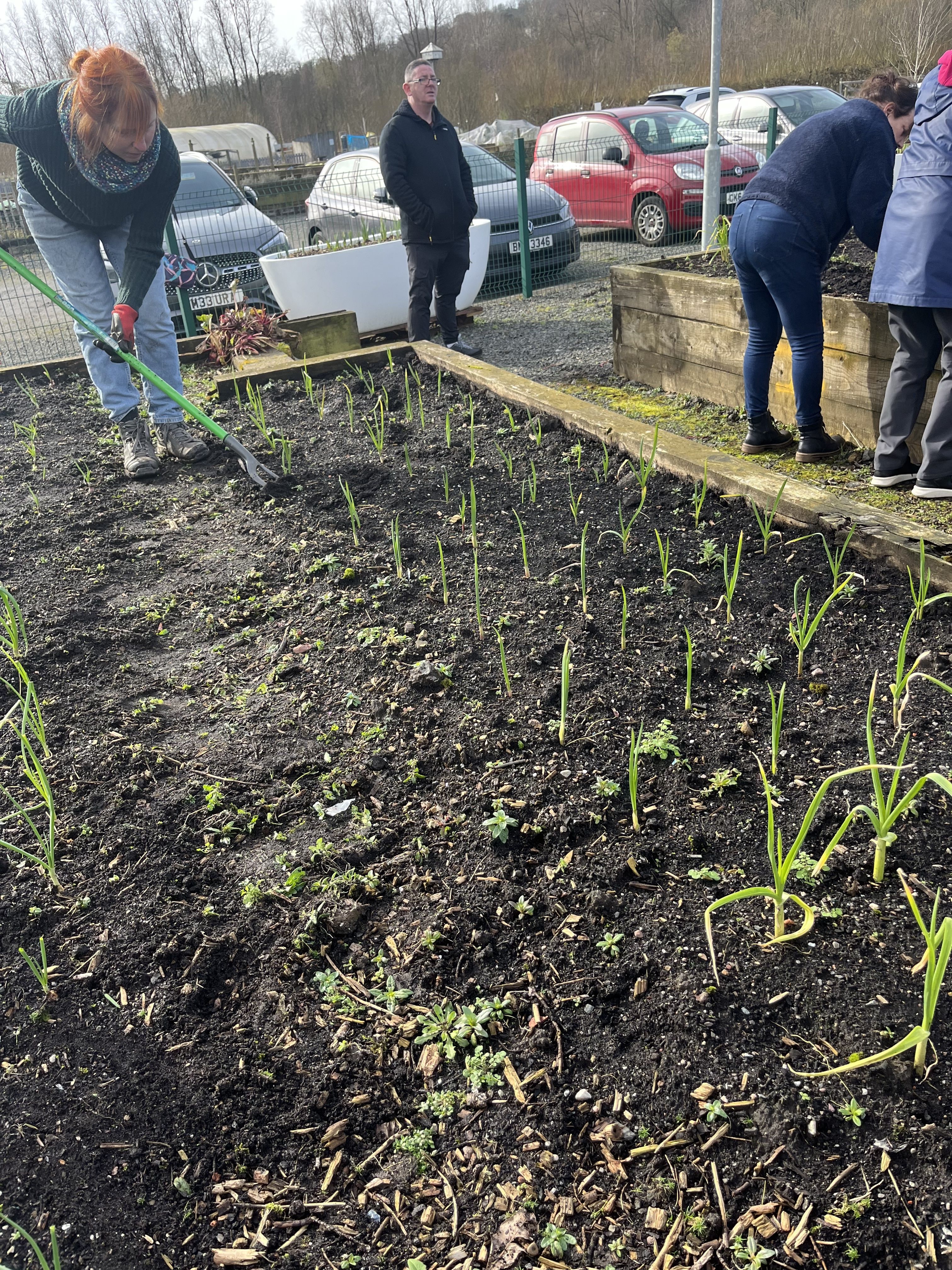
At our monthly workshop at Colin Community Allotments last week, we prepared the beds with fresh compost and sowed trays of early lettuce, along with aubergine and chilli seeds. These need warmth to germinate, so they will spend the next few weeks in a propagator or on a sunny windowsill. Tomato seeds will follow in mid-March.
We also sowed broad beans and early peas for summer harvests. At the allotment, broad beans and peas in the polytunnel — along with onions, garlic, leeks, kale and purple sprouting broccoli growing outside — are all doing well.
Purple sprouting broccoli 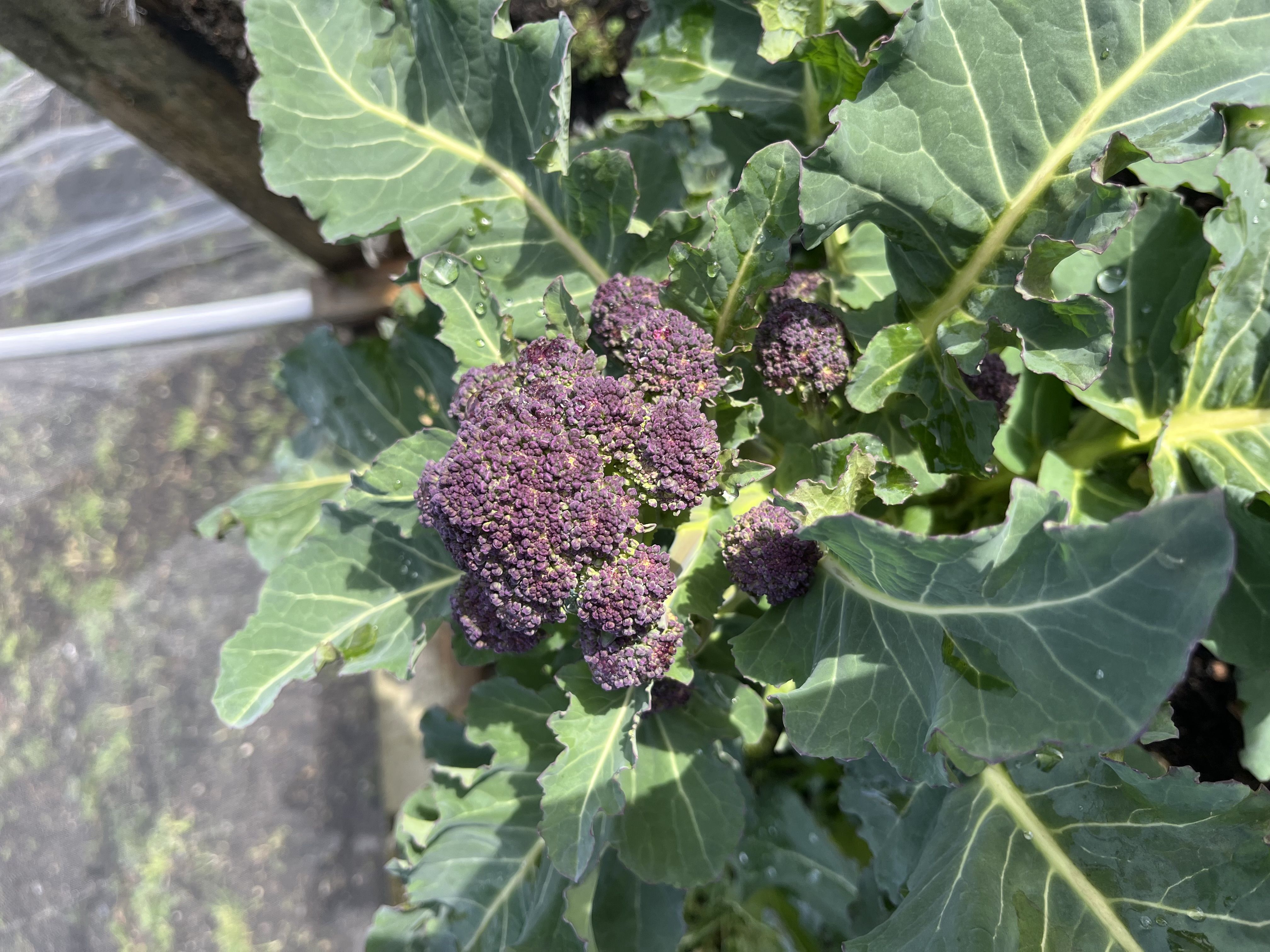

A good rule when sowing is to start with the space you actually have. Check the plant’s final size and recommended spacing, then work backwards from there. Too often precious seedlings — especially tomatoes — are wasted through enthusiastic over-sowing. Adequate spacing allows plants to reach their full size, produce more fruit and maintain good air circulation, helping to prevent pests and diseases.
We were lucky to enjoy the first proper sunshine of the year and are looking forward to many more days like it. Our workshops usually run once a month, but with the sowing season beginning we are holding an additional session on Saturday, March 14 from 10.30am to 12.30pm. If you would like to get growing this season, you would be very welcome to join us.