THE issue of the definition of victims and survivors must be the most tawdry and reductive part of our political discourse.
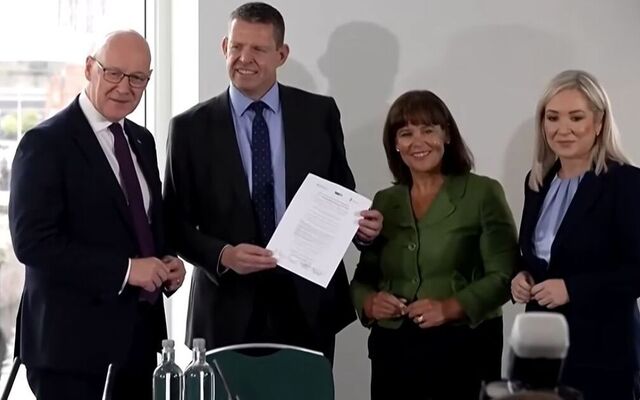
The current definition of victims – drawn up by the SDLP and the UUP in 2006 – includes all of those bereaved, all of those affected both physically and psychologically and their carers.
It is bland yet embracing, compassionate yet non-judgmental, and most of all it recognises complexity.
There is no conflict which is simple or conforming to a good guys-bad guys 1950s movie, least of all ours. There were of course entirely uninvolved civilians who were injured and killed. But the equal truth is that many of those killed and injured were also actors in the conflict in different shapes and forms. Acknowledging that only gets complicated if you feel the need to shun some of those experiences and wish your narrative of the conflict to win.
At the time of the killings all of the armed groups attempted to assert their narratives of justification. While there was a battle for military supremacy there was a much greater parallel battle for narratives. There were those who held the levers to the official narratives, who could issue press statements explaining and justifying RUC and British army actions, while the injured waited for ambulances and the last rites were being delivered to those on the ground. Those with access to the levers had a head-start on the censored and non-resourced non-state groups who used different means of publicity. The efficacy of the republican movement’s publicity arm remains a widely recognised source of astonishment, and even envy, to many.
However, what was lost in that were the unnoticed narratives of the bereaved and injured. Whether through denial of experience, censorship, vilification or deliberate neglect, those stories remained unappreciated until the coming of the peace process. And the work of engaging with those lived truths has only just begun.
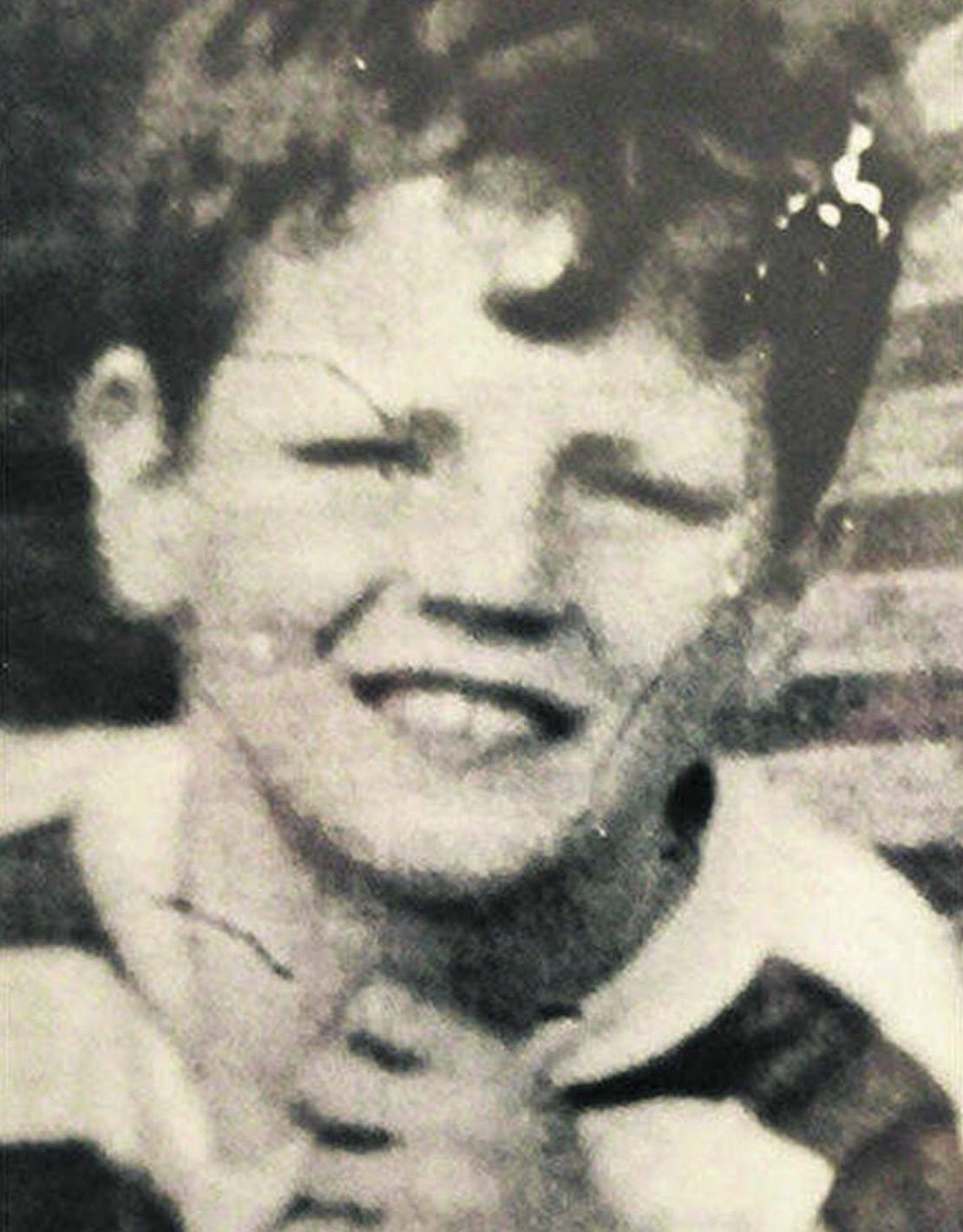
That leads to immense discomfort for those who carried out the actions and who felt that the publicity or official narratives at the time meant that it was a settled matter. Of course it was not and we see the necessity to rewrite those lies and spins lest they become 'history'. Lies such as those told of 11-year-old Francis Rowntree who posed no threat and whose killing was unjustified; but it took the pain of a reopened inquest to declare his innocence.
A definition of victims which precludes any section of victims in our transitional society is the modern battle for narratives, deliberately vindicating one experience and rendering the other invisible. It will pretend that our long war did not involve the complexity wherein the same person engaged in violations one day could be the victim of violations the next, and vice-versa.
The people seeking to change the definition of victim wish to continue the old myth that the British state’s role in the conflict was always justified and those who opposed it were always terrorists. A myth that is challenged every day by the victims who mourn their dead and carry physical and psychological scars. They might try to render invisible the victims in our community who bravely speak truth to power and who do indeed demand that history is rewritten so we collectively heal and learn from our past honestly and compassionately.
But no, we will have none of that.