RECENT discussion around the need for improved sports facilities in Greencastle, including the public case being made by Greencastle Rovers, is both timely and justified.
Greencastle Rovers are right to highlight the lack of appropriate facilities in the area, and there is little doubt that an intermediate‑level facility is deserved and, in time, will be delivered.
However, this conversation exposes a much wider and more uncomfortable issue about how sporting need is addressed in Greencastle, and, crucially, whose needs receive attention.
As of 2026, Antrim and Newtownabbey Borough Council still does not provide a single public pitch suitable for all major field sports anywhere in the borough. That is an extraordinary position for a large, urban council area to be in. In Greencastle, where community infrastructure has long lagged behind need, the absence of publicly provided sporting facilities is part of a broader, historic pattern of discrimination.

Greencastle residents know this reality well. The area remains one of the few without a functioning, council‑led community centre or a meaningful level of public service provision. What exists has largely been built, run and sustained by the people of Greencastle themselves.
What is striking is how quickly momentum can build when a strong sporting organisation makes its case. Meetings are discussed, doors open and senior council figures are referenced. That responsiveness is welcome, but it raises an obvious question: where was that same urgency when other local sporting organisations were making equally well‑evidenced cases which is now accepted as inequality?
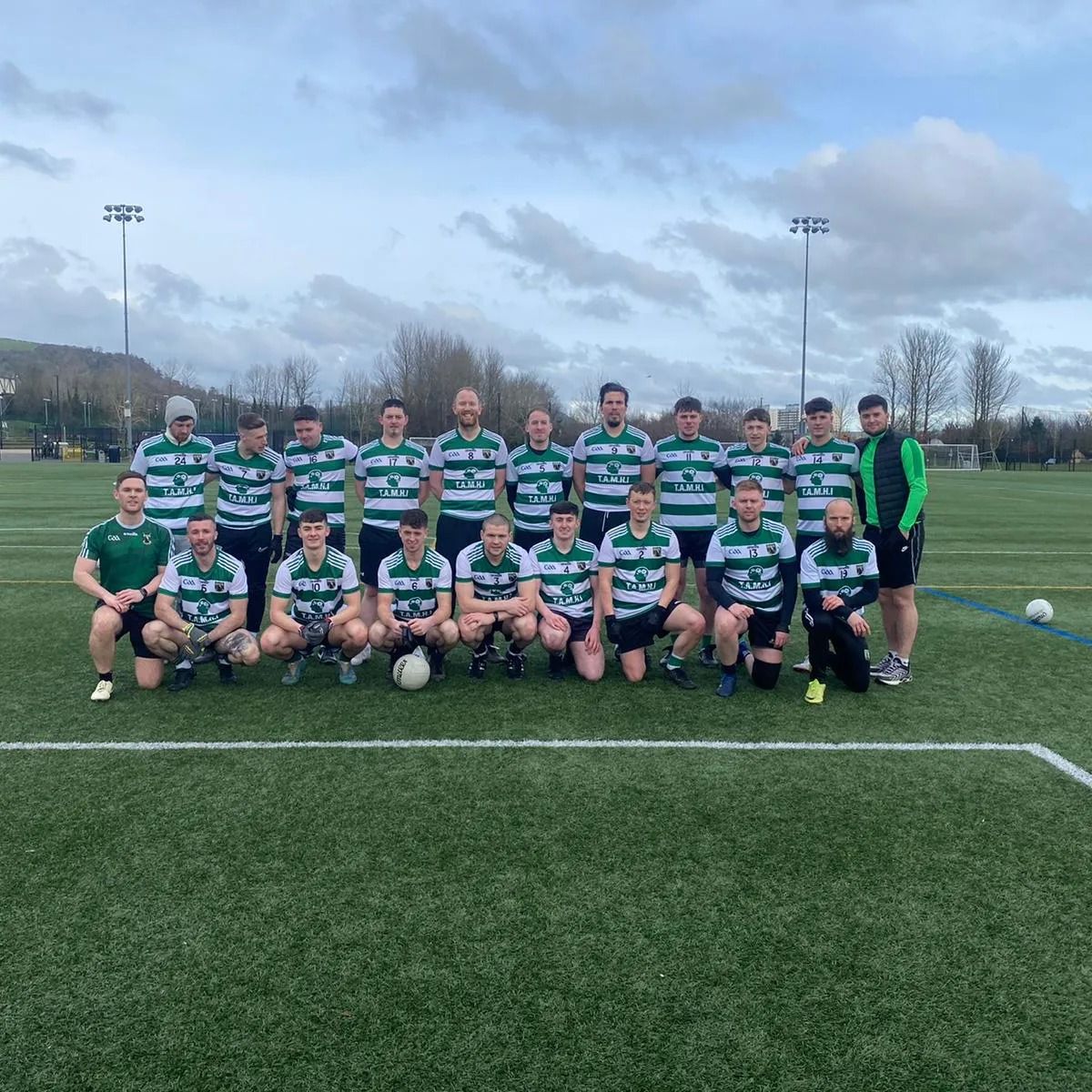
Wolfe Tones, a long‑established club rooted in Greencastle, ultimately had to leave its own catchment area because suitable facilities were not provided locally. That outcome would be considered unacceptable in many other parts of the city. Yet there was no public outcry, no visible sense of urgency and no comparable engagement at senior council level. Those with power didn't care.
In the eleven years since the creation of the current “super council”, there has not been a single substantive motion brought forward to address this gap in provision. That suggests the problem is not simply administrative. It reflects deeper issues about whose needs are prioritised and whose are quietly deferred.
Greencastle Rovers deserve their facility and they should get it. But Greencastle also deserves a fair, equitable approach to sporting infrastructure across the board. Until that happens, questions about equality, representation and civic responsibility will continue to be asked. Rightly so.
Stephen McCourt,
Wolfe Tones GAC