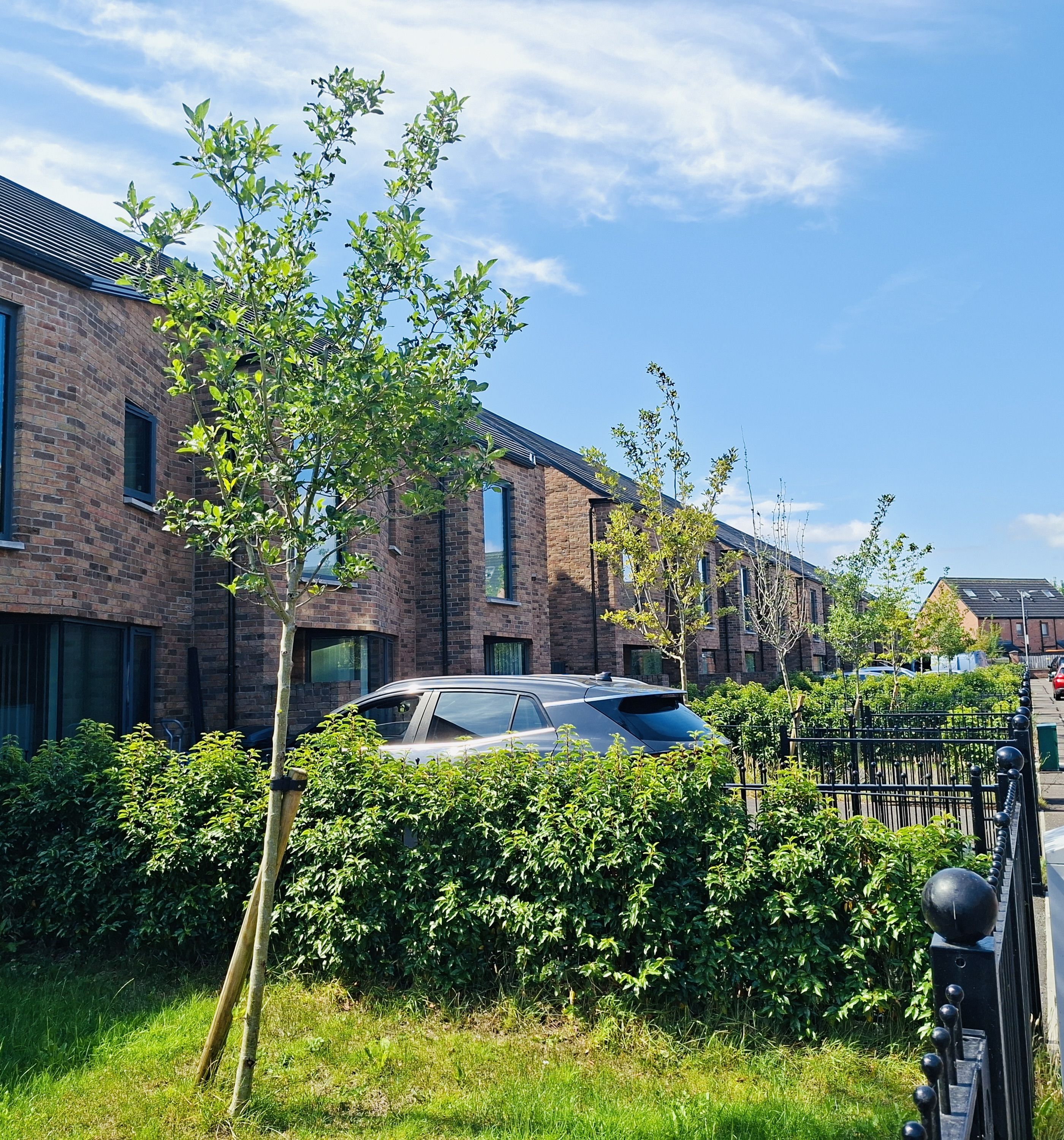
ROSS Street Mews is an architectural pleasure – 24 houses near St Peter’s Cathedral which take terraced homes to a new level.
But what grabbed Dúlra’s attention wasn’t the fine design, but the decision to plant a tree in each front garden – not just any tree, but a rowan or similar species. It may be a small gesture, but it’s significant.
Because rowan trees symbolise something with ancient meaning, a Celtic blessing of sorts that stretches back even before Christianity.
There was barely a farmhouse in Ireland that didn’t have a rowan in the garden – it was planted to ward off evil spirits and bring the family luck.
Dúlra first noticed that when walking around the many ruins on the Belfast Hills where families once lived. More often than not, you’ll find a single rowan growing close by among the scattered stones that were once walls.

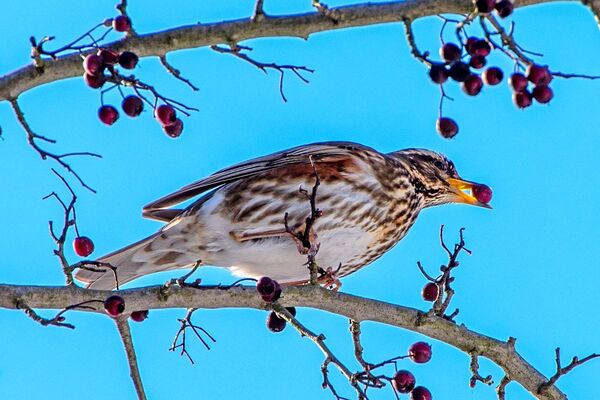
The rowan – or mountain ash – is a pretty, round tree that doesn’t grow too tall, and in the wild it’s often found on mountain slopes. In autumn they offer huge bunches of ruby red berries that are loved by birds – and it’s those berries that give it its magical powers.
In the Pursuit of Diarmaid and Gráinne, a pregnant Gráinne asked Diarmaid to get her rowan berries from a magical tree guarded by a giant to save their baby – and he killed the giant to get them.
In this tale, eating just three of the berries made you feel like you’d drunk fine wine and eaten great food – and made a 100-year-old turn into a 30-year-old!
In Irish it’s called caorthann – which means blazing flame, referring again to those berries.
There are countless examples of the rowan's protective powers in those old Irish tales – it kept witches from the door and even the dead from rising.
It was tied to a hound’s collar to increase speed and – Dúlra’s favourite – a rowan walking stick allows you to enter a fairy fort and steal their magic drinking horn! And you certainly could do with the fairy’s drinking cup which was shaped like a horn, because it magically refills with whatever liquid you put in it. The bars would go out of business!
But of all the walking sticks – he’s had blackthorn, hazel, holly and hawthorn over the years – he’s never heard of a rowan stick. Maybe he’ll put in an order for one from talented West Belfast stick-maker Aidan Bradley!
About five years ago Dúlra wanted to plant some new trees in the garden – and there was no debate about the type. But native trees can be hard to source – eventually he found rowans for sale at Clandeboye estate near Bangor, which had been grown from berries taken from trees on the Belfast hills.
The three trees are growing (slowly!) in the garden – and this year is the first time berries have appeared – although they’re still green. When they turn red he’ll try a couple in the hope he’ll turn 30 again!
It’s great to see the fantastic Irish tradition of the rowan tree being kept alive at Ross Street Mews. May those special trees bring many happy years to each and every family.
If you’ve seen or photographed anything interesting, or have any nature questions, you can text Dúlra on 07801 414804.
A reader in Crumlin came across what is probably our most beautiful bird – but sadly dead. The kingfisher was lying on a laneway near Crumlin River – the only obvious explanation for its death is that it flew into a nearby gate.
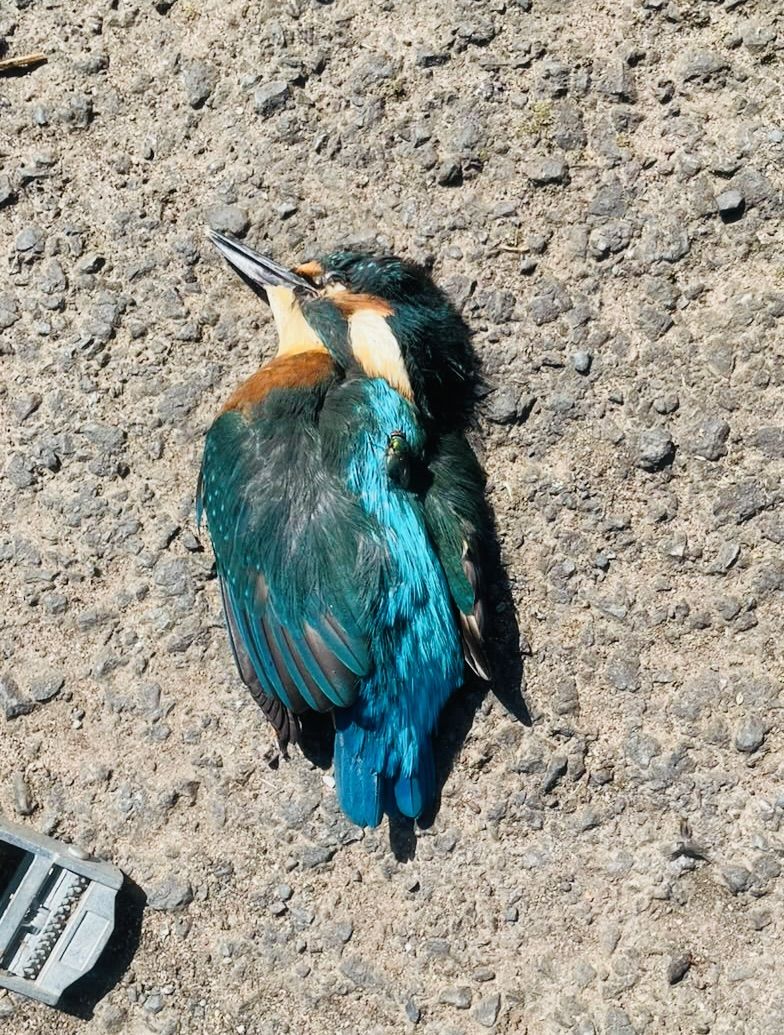

It’s so sad to see – this bird would have been feeding its youngsters in the nest along the riverbank. Now the single parent will have to somehow cope alone.