TECHNOLOGY has finally caught up with the challenge of finding a bird’s nest.
Those countless days traipsing across the hills, crawling through brambles and sitting motionless for hours with binoculars held in ice-cold fingers will soon be a distant memory.
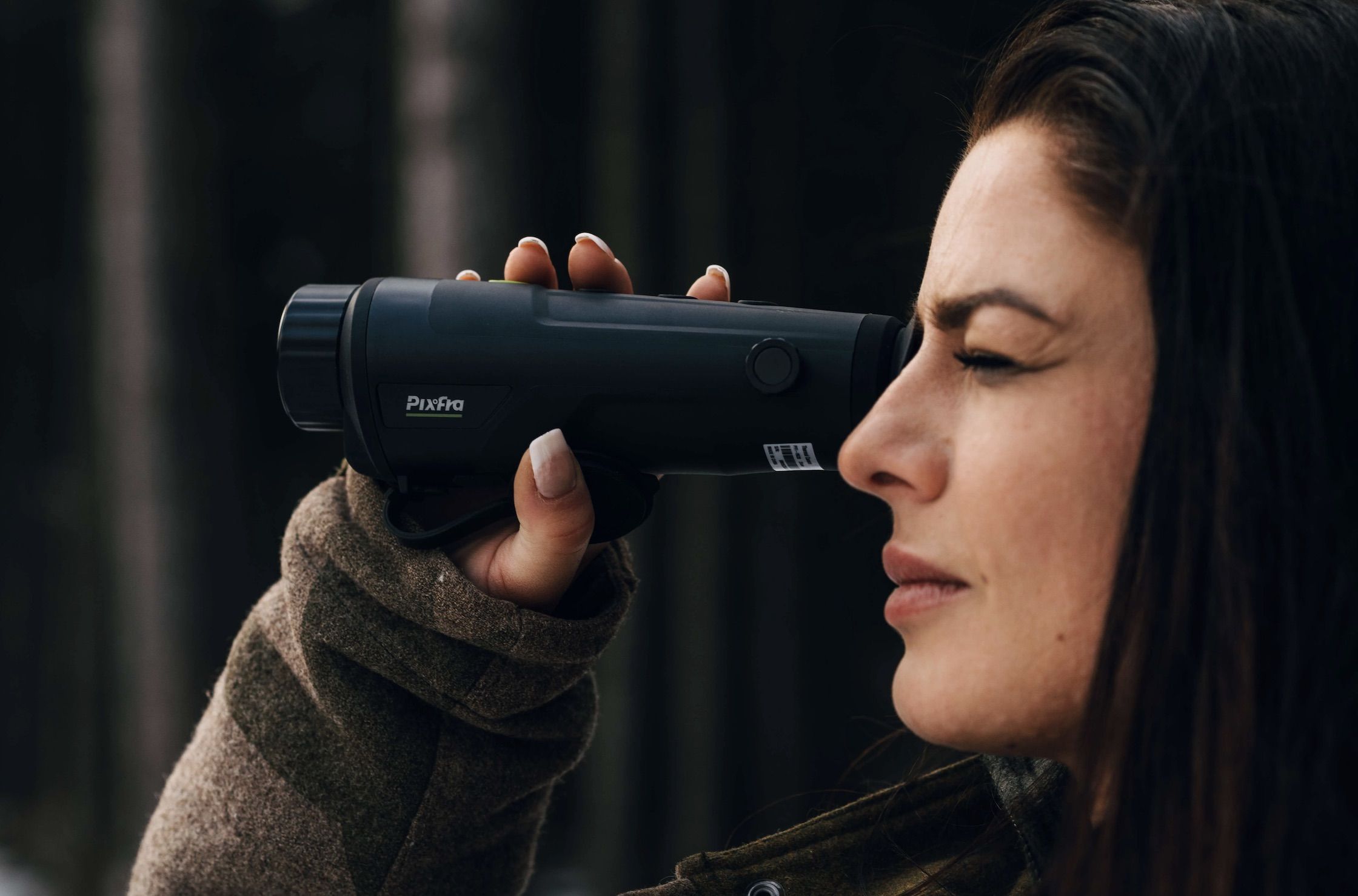
With thermal imaging devices, you can see birds when they are sitting on the nest. Developed for use in war zones, they are now available for use with wildlife. You just hold it up to your eye, press a button and scan the countryside.
Any bird – even those sitting motionless on a nest – will be highlighted, their body heat giving them away.
Of course, Dúlra doesn’t need much help to find birds’ nests – and he enjoys the challenge. It’s a learning curve which involves mixing knowledge of their habitat and behaviour with a liberal dose of patience. Generally it involves watching the parent birds for a very long time, usually from a distance with good quality bins, until, finally, they’ll literally lead you to their best-kept secret.

Dúlra has found most of them over the years – wheatear, stonechat and sedge warbler on Slievenacloy; dipper, blackcap and treecreeper in Colin Glen; meadow pipit and reed bunting in Giant’s Park; bullfinch, spotted flycatcher and whitethroat on Black Mountain. But how to you find the nest of a bird that you can’t even see? The grasshopper warbler, ceolaire casarnaí in Irish, flies from Africa to breed on the last remaining sodden fields of the Belfast’s Hills, particularly at Slievenacloy.
We know that not because we see them – they don’t leave the undergrowth – but because we hear their reeling call every dusk.
This bird is always in stealth mode. Dúlra has occasionally seen them in Slievenacloy – if you walk fast through the rushes you might frighten the odd one out. But any startled bird will never go close to its nest until you are far, far away.
You can search the place it flew from, but it’s like looking for a needle in a haystack. This bird’s nest has eluded even the best local birdwatchers.
With a thermal imaging device, however, it means – at least in theory – you just have to scan the rushes and this elusive bird will light up like a beacon. Even the female incubating her eggs will be revealed. There is one problem, however. This new technology doesn’t come cheap. Some birdwatchers are happy to fork out thousands of pounds of a good thermal imaging device.
But as with all technology, it pays to wait. Decent devices have now fallen to £500 – and next year it’s said that they’ll be closer to £200. Dúlra predicts that the great grasshopper warbler mystery of the Belfast hills will soon be solved!
• Dúlra was sad to hear of the passing of his dear old pal Marty Garland, who, although brought up in Gartree Place in Andersonstown, was a country boy at heart.
Imbued with the generations-old knowledge of his father Billy and uncle Jimmy – the Black Mountain seemed to course through their veins – he was an unassuming expert in wildlife.
Marty Garland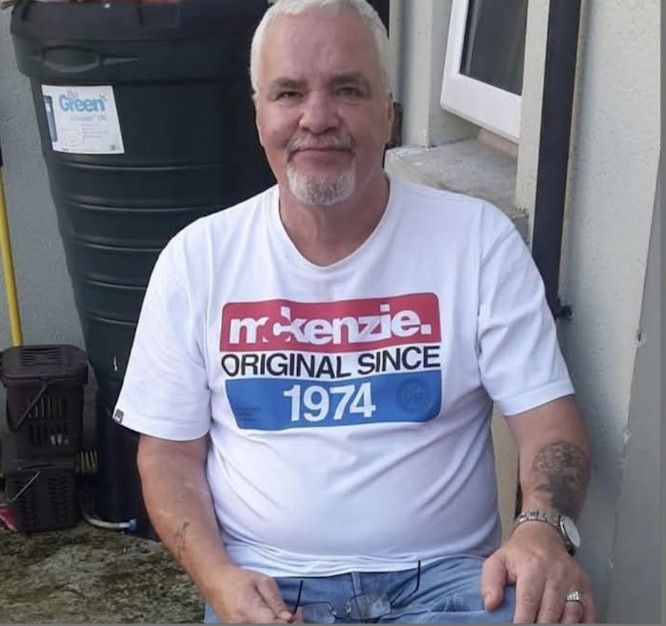

And since we’ve been talking about nests, Marty had a unique ability to find them, imbued as he was with the natural patience that’s needed to solve such a puzzle. The sort of patience that meant he could ‘tickle’ trout in streams on the Belfast Hills – an incredible feat where you catch them by hand. Dúlra never got close to managing it.
Dúlra remembers fishing on Colin Mountain when Martin magically pointed to a rock in the grass just a foot away from where we were sitting. “There’s a nest there,” he said. Dúlra through it was a joke – we’d been fishing here for hours and there were no birds anywhere near. Marty gently moved a tuft of grass away from the rock, and there sat four meadow pipit eggs in a little nest the size of an eggcup. It was like a magic trick!
Another time Marty found a goldcrest’s nest at the top of a pine tree in the grounds of the old Airfield House on Glen Road – Dúlra still marvels how he could spot the nest of Europe’s smallest bird from the ground – and then also to have the courage to climb up the tree to inspect it!
Go ndéana Dia trócaire air.
If you’ve seen or photographed anything interesting, or have any nature questions, you can text Dúlra on 07801 414804.