THE Trócaire Lenten Appeal in 2022 focused on Zimbabwe and the huge challenges faced by the people there. Regular droughts affect the southern African region and pose significant challenges for families trying to grow enough food to feed themselves, accessing safe water and general economic stability. The droughts also have negative impacts on people’s health. Agriculture, a cornerstone of Zimbabwe's economy, has been severely impacted, resulting in reduced agricultural output and a heightened dependence on food imports.
The appeal in 2022 received support through the UK Aid Match initiative which saw donations from people in Northern Ireland matched by the UK government pound for pound. This resulted in an extra £2 million in funding which has been used specifically in Zimbabwe to support families to become self-sufficient. The three year project has come to a close and has resulted in thousands of people seeing positive change in their lives.
This positive change is evidenced by the lived experiences of the people, particularly women, who have been at the centre of the UK Aid Match funded project which strengthened community resilience and improved food sources, livelihoods and health by expanding access to safe water and enhancing protection and inclusion for vulnerable populations in southern Zimbabwe. These stories illustrate how integrated and locally led approaches result in meaningful change.

Susan lives in Janga village in Zaka. “For many years, water was a serious problem for my community. We depended on the river for everything – drinking, washing and watering our gardens. During the dry season the river would dry up and we would dig shallow wells in the riverbed to get the water,” she said.
“One day, like many other days, I went to the river to do my chores. I washed clothes and watered the garden. While I was there, I became very thirsty and drank water from the open well as I always did. I did not know that one cup of that water would almost take my life. That night, I became very sick. I felt weak, dizzy and had severe diarrhoea.
By morning, my condition was bad. My daughter also became sick, but fortunately she was not as affected as I was. My family called the village health worker, who rushed to help me. That is when we learned there was a cholera outbreak in our ward. I was treated in time, and my life was saved.”
Susan said, “After that experience, I was afraid of getting cholera again. Around that same period, Caritas Masvingo, Trócaire’s partner, came to our village and started talking with the community about a project to improve access to safe water by drilling a borehole. Our councillor shared our situation and our village was prioritised. When clean water finally came to our community, everything changed. The water point is now less than 200 metres from my home. We no longer walk long distances to unsafe water sources. We drink clean, safe water every day.
“The water provided through the UK Aid Match project has given us peace of mind. We are no longer afraid. Our children are healthier, and we can focus on our lives again. For me, this water did not just save time, it saved my life,” Susan said.
Martha is a young farmer from Mangwe. “Farming has always interested me, but I never imagined how far it could take me. I worked hard, but my production was small and I did not have strong links to markets or other farmers outside my community.


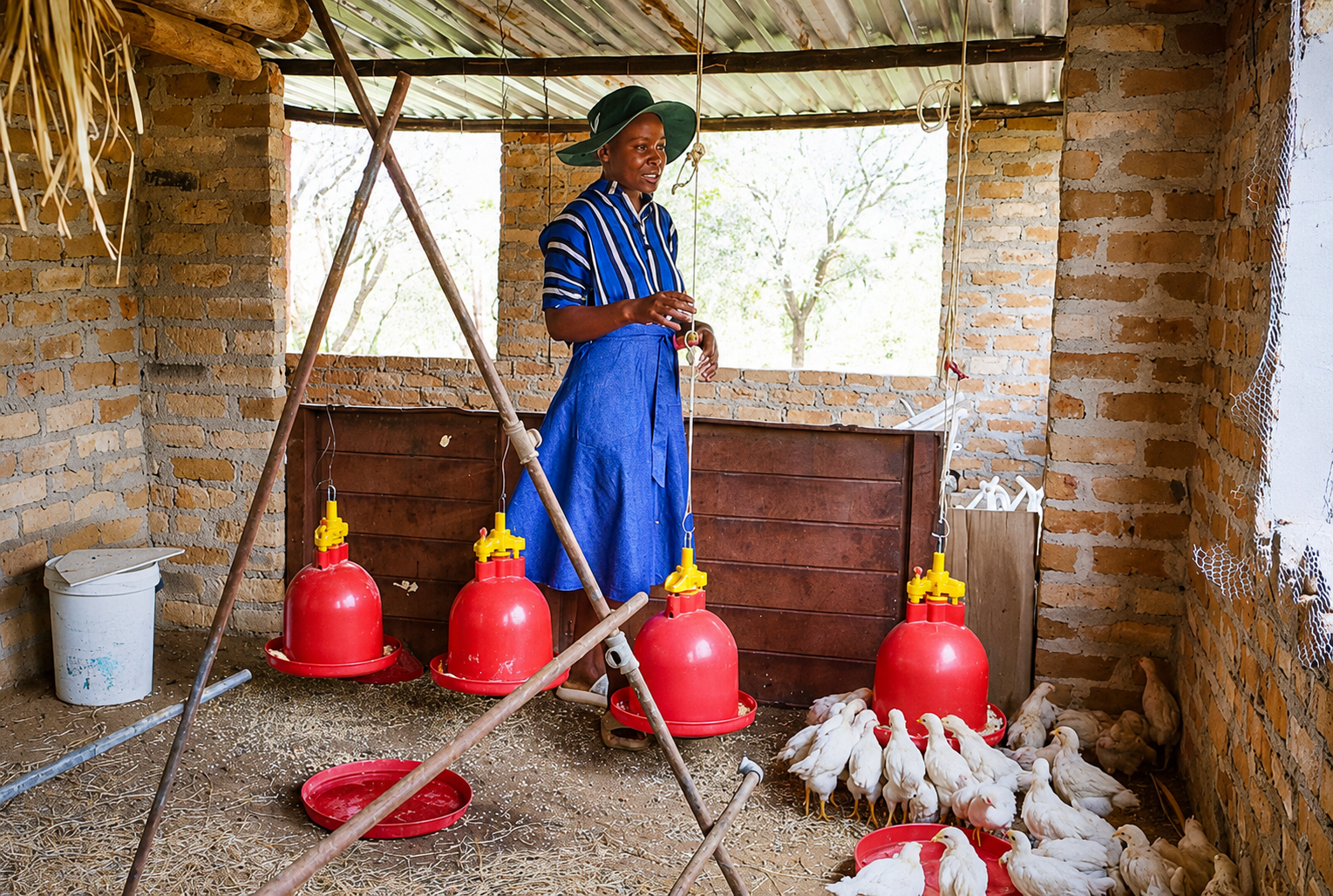
“Then in early 2024 change started when I became involved in the UK Aid Match project. I participated in several activities that strengthened my skills and confidence as a farmer. Through the project, I was given the opportunity to start raising chickens. One of the biggest turning points for me was participating in learning and networking events outside my district. At these events, I learned from other farmers, exchanged seeds and gained a deeper understanding of agroecology and value addition,” Martha said.
“These platforms exposed me to new ideas and new people. I interacted with buyers and other farmers from across the country. I also gained confidence to talk about my work and showcase what I was producing. At some of these events, my work was recognised and I received awards, which motivated me to take farming more seriously as a business.”
Martha said, “Through this journey, I have grown not only as a farmer but also as a mentor. Other young women in my community now come to me for advice and encouragement. I actively participate in community development activities and I am no longer afraid to speak or take leadership roles. This progress has changed my life in a very practical way. Now, I am able to support myself, save money and plan ahead. I am currently saving so that I can self-fund my studies at an agricultural college to further strengthen my skills. What started as simple project support has grown into real independence for me.”
To find out more about Trócaire’s work visit www.trocaire.org