OVER the past number of months, my ramblings on a weekly editorial piece and on the social media X, often follow the same moans and complaints about the running of Glasgow Celtic.
Rather than just a good old-fashioned bemoaning and critique of the club which wouldn't look out of place in the previous century, I have devised a plan which I believe could solve the issues which keep the club firmly rooted in 1994.
Again, this is only the opinion of one man...
Step One: Laying the Foundations
Firstly, before the purse strings are loosened, I think it would make sense to really evaluate the men in positions of spending power, and in particularly the scouting network or lack thereof at Celtic Park.
Last summer was arguably the worst window that Celtic have overseen this century and realistically anyone involved should have been passed their P45s and sent on their merry way.

Primarily, the situation reads plain and simple with a restructuring of the model and that includes using the ever-expanding financial accounts to invest in the nuts and bolts and expand a scouting network beyond the extracts of the phone book of a manager; show initiative and pinpoint the talent spots across the globe and use a proper analytical database not just gut feeling when you see a guy doing keepy-uppies.
The signing of Former Chelsea Senior International Scout James Bell-Walker, may have gone under the radar back in January, and whether or not he had a part to play is unclear given January’s unmitigated disaster, but if the man named with bringing talent into the former European Champions, then no doubt he can – if given the resources – bring Celtic a great shot at success in the European, South American and Asian markets.
Step Two: Plan for the future:
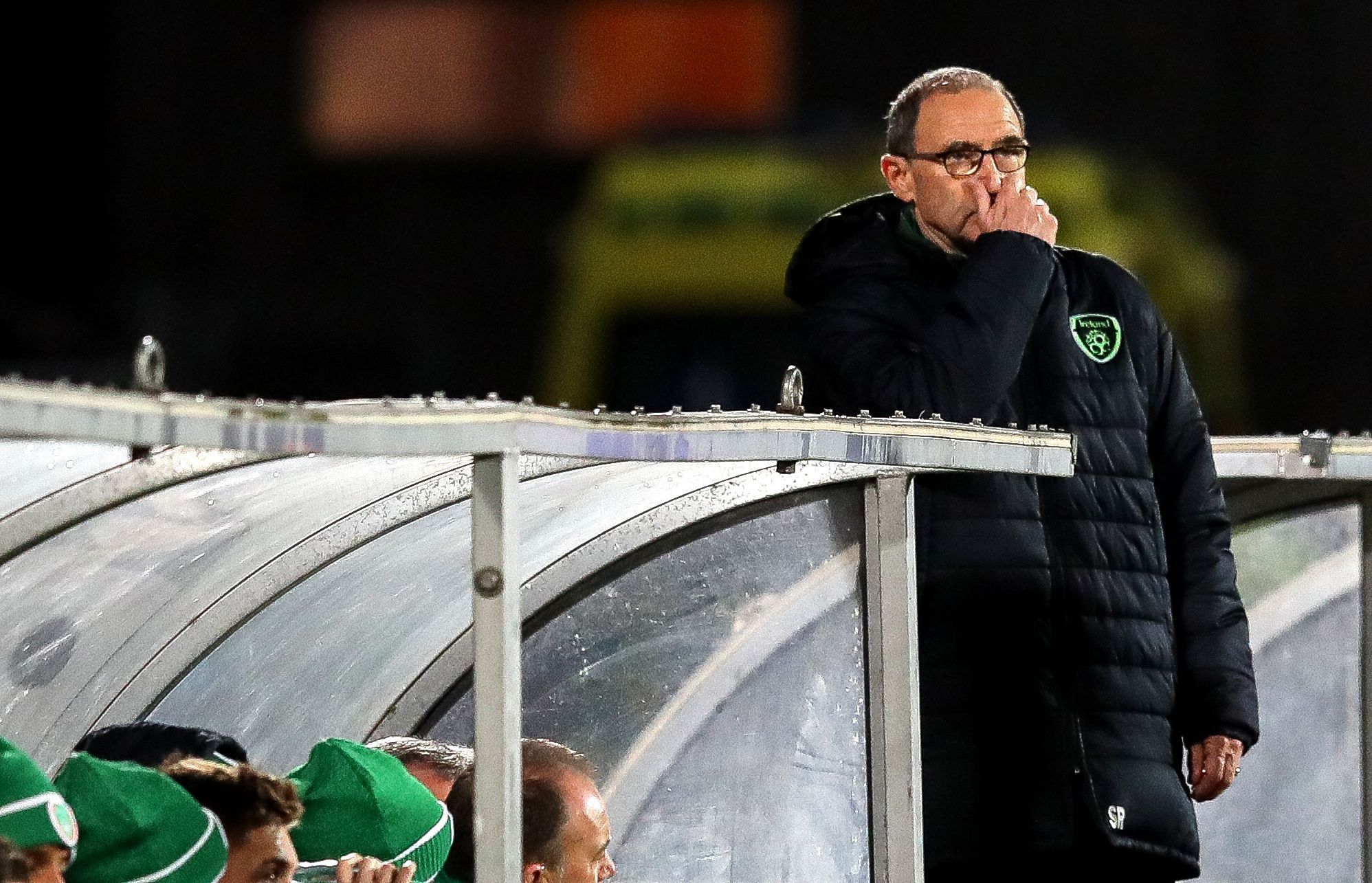
Martin O’Neill’s return was as expected if we are being honest. The whole Robbie Keane debacle is one that I felt was nothing more than a rouse and a ‘testing the waters’ public relations stunt.
Thankfully the grace of a higher power saw that impending disaster was avoided – and well done to all involved in the protests surrounding the former Celtic player, which I firmly believe had an impact on the outcome.
Anyways, unfortunately due to the abhorrent running of Celtic, the only real option was to secure harmony rather than build on it and restore Martin O’Neill to his post as Celtic boss.
We will no doubt hear the excuse of ‘It’s a World Cup year’ and so on and so forth when it comes to the managerial market and the transfer market too, as if Celtic and their scouts were lurking for Mbappe and Yamal to finish their campaigns before signing the dotted line and dawning the hoops.
Rather than use the excuses, set a plan in place for the next manager and being realistic, if the next boss is a hit he’ll likely be off within two seasons for the glorious Premier League.
Short-termism can no longer be the answer, Martin O’Neill will be the man for another year. Next summer a project must be sold to someone who can progress Celtic into the new era and if he only lasts the aforementioned two seasons, then we need a second man lined up to take over the role.
Shaun Maloney will likely be the main man for the next half a decade in charge of the Footballing Operations at the club. That means he is the main man, no running to bosses, no questioning his decisions. If he has a plan you see it through with all the will of it succeeding and with no financial strings attached.
Believing in success ultimately breeds success, and that attitude needs to be applied not ignored when it comes to appointing the next two managers.
Step Three: European Focus
The lack of foresight since 2004 has left Celtic firmly in the lurch when it comes to competing with sides of a similar elk. Peter Lawell, the former CEO and CFO, often cited ‘following models similar to Borussia Dortmund and Ajax’. Is that so Peter?
Since 2004, Borussia Dortmund has reached two Champions League finals, become a mainstay in Europe’s second-tier category outside the elite clubs at the top. Not only that, but the German giants have become renowned for their conveyor belt of talented youth and made their name as the go-to spot in Europe for young progression.
Ajax had a generational run in 2019 where a miraculous Spurs comeback denied them a final appearance in the Champions League and have enjoyed the best part of a decade being Holland’s mainstay in Europe.
As for Celtic, dominating Scotland for the better part of 25 years, we have nothing to show since a 2004 knockout-tie victory over Barcelona in the UEFA Cup.
Big nights in Europe are often sold as the dream, but when does that dream become so intangible that it echoes on constant repeating of the 1967 legends. Those days are often recalled and rightly so, Celtic pull-out the 67 heroes the same way your mum brings out the Tunnock's mid-argument with your brother during the Christmas dinner.
I for one, do not want to be seeing the 70th anniversary kits drawn out in ten years’ time and Celtic have still not made any headway in UEFA competition.
A proper model means two-year cycles of players, a talent line that brings in annual crops of five and six with three or four out the door regardless of their success at the club.
No longer do we get these Larsson-esque heroes who stick around for seven seasons. Once the fee is high move them on swiftly and speculate to accumulate the next crop of players.