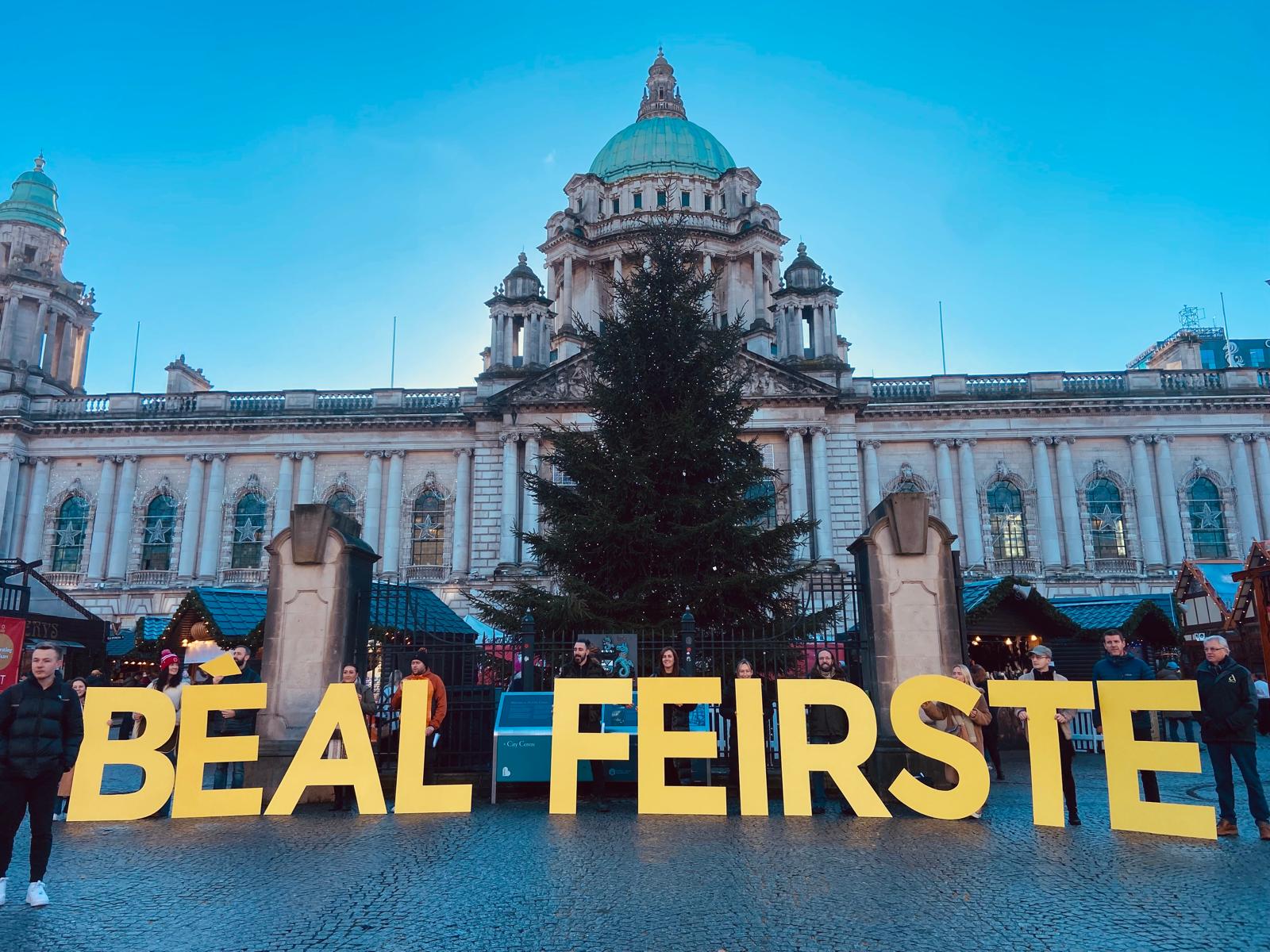
I WAS speaking to someone recently and their take on our local politicians was, "All they’re concerned with is Irish signs." I tend at times like these to walk away, in case I hit somebody, or worse, get hit.
Signage matters. It says, "These are the words, this is the language we value." The signage problem, like so much else here, springs from colonialism.
From the 19th century on, the English began their campaign to pull Irish out of the mouths of Irish people and insert in its place English. In the National Schools, the tally stick (bata scóir) was used to keep track of the times a given child was caught speaking Irish. At the end of the week the notches on the bata scóir were counted and punishment meted out – usually with a cane.

But if you find that outrageous, hear this. The English found ways even more fiendishly clever – they taught Irish children and Irish people to feel contempt for their native language and culture generally. Throughout the British Empire, the same denigration of local culture and ways of speaking – even place names – was Anglicised. Now there are Irish people who share this contempt for things Irish. Greet the average person in the North, including those of a Catholic background, with "Maidin mhaith" or "Dia duit" and you’ll be met with comments like "Mahogany gaspipe, is that what you said?" or "Why are you speaking German?" Thigh-slapping wit of that sort. Now not just English people but large sections of the Irish people are happy to pour scorn on Irish music as "Diddle-de-dee" and Irish conversation as "Mahogany gaspipe."
But, buíochas le Dia, the tide in many areas has started to turn. More and more streets are happy to have dual signage, in Irish and English. We do seem, however slowly, to be moving forward with the Irish language, not back.
But the DUP and the TUV continue with 'No' as their default setting, so it’s natural for them to detest added Irish signage. They can’t come out and say they fear it as another sign of growing nationalist confidence, instead they say it’s a waste of money; we all speak English, what’s the problem?
TARGET: The vandalising of dual language street signs springs from a fear of change 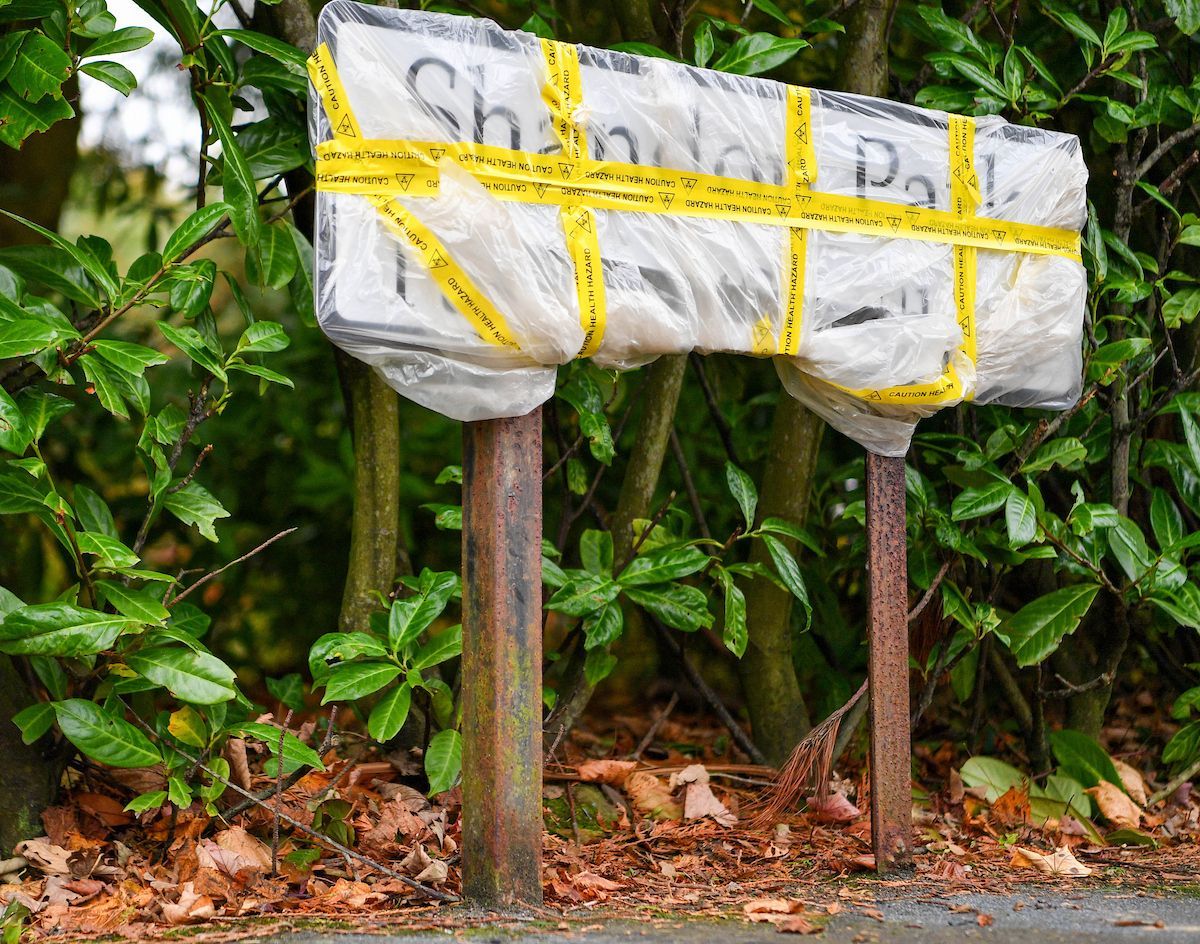

The problem (for them) is that life is more than a series of utilitarian decisions. Music doesn’t pay the groceries, but we value it, we love it. Ugly buildings from a functional point of view are just as good as nicely-designed ones: but well-designed buildings give a harmonious backdrop to our lives.
These days, in adult classes all over Belfast and all over Ireland, people are attending Irish classes, happy if they can gain at least a cúpla focal. But why is it necessary to have adult Irish classes? Didn’t Irish get taught In school?
In most cases, yes – but often in such a way that it alienated pupils rather than encouraged them. In my own case, I had an Irish teacher so keen to instil Irish in his pupils he would hammer our hands with stinging leather or even a solid slap to the cheek. I didn’t learn Irish from him – I learned to hate it.
In the South, the ability to speak Irish was required for all civil service jobs. The result was not skill in or love of the language, but detestation of it. Because many jobs were barred to those without Irish, a grievance grew and festered.
But, as I say, there are signs the tide is turning. Check out RTÉ TV programmes – a greeting in Irish is standard from some presenters. In quantitative terms this may not be much, but it allows the more timid among us to dip our toe in the water.
And yet there’s still that reluctance to speak Irish, fearing that the Irish language has been hijacked by republicans. That is plain-faced nonsense, but as Gearóid Ó Cairealláin said so many years ago, if you think it was hijacked, then hijack it back again.
"But I’ve no need for Irish!" some will still insist.That’s true. The same obtains with art and music. In functional terms we don’t need them; but in cultural terms we need these things very much.
Patrick Pearse nailed it so long ago: Tír gan teanga, tír gan anam. A country without a language is a country without a soul.