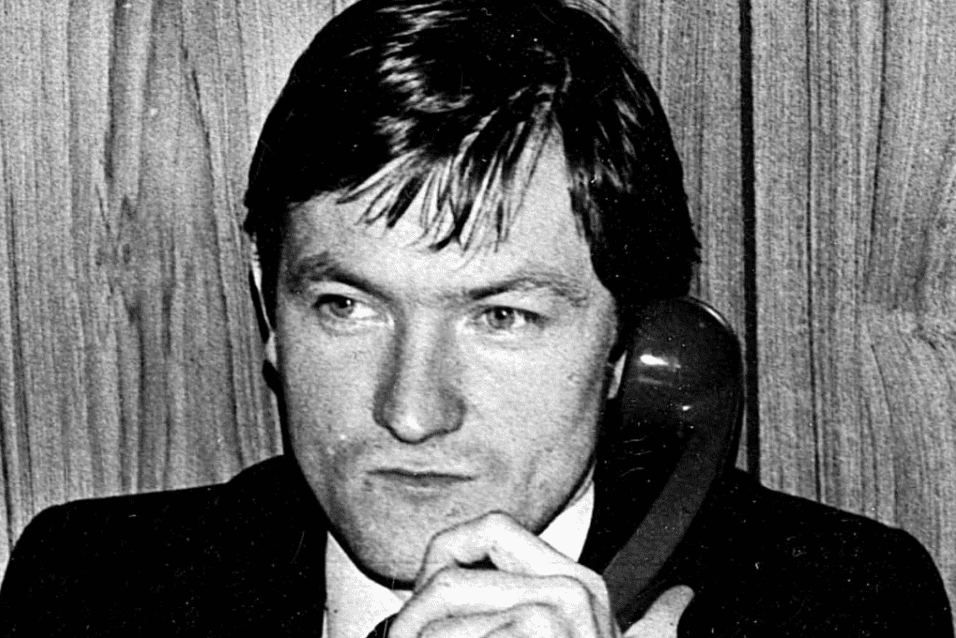
IN 2012 Sir Desmond De Silva said: "It is essential that allegations of (state) collusion with terrorist organisations are rigorously pursued." This was in his report into the murder of Pat Finucane. This report came after British Prime Minister David Cameron apologised in the British Houses of Parliament for state collusion in the murder of an officer of the court.
Since then there have been numerous reports on how the state worked with members of non-state organisations.
With numerous reports by Police Ombudspeople Nuala O’Loan, Michael Maguire and Marie Anderson, we read evidence of how, from Omagh to the Shore Road to Loughinisland to North Antrim to the Ormeau Road to the Dairy Farm to Castlerock, RUC officers were involved in the distribution of weapons to loyalist gangs, the recruitment and retention of informers involved in and implicated in repeated murders, systemically failing to investigate when agents were involved in killings, destruction of key murder exhibits including getaway vehicles, deliberate interference with eye witnesses, failed to inform targets that their lives were in danger, routine distribution of intelligence to loyalist gangs including photo montages. And much more.
These reports are of course always siloed and despite creating the one picture of a policy and practice of collusion they are always and invariably viewed in isolation.
Into this deliberate failure to join the dots we witness the Retired Police Officers Association challenge the Police Ombudsman’s use of language re “collusive behaviours”. They think it might damage their reputation unfairly as they have never been charged with any of the above-mentioned matters. And their feelings are hurt.
The High Court this week ruled that the language being used – that of “collusive behaviours” – is beyond her legislative scope. This has led to a chorus of collusion deniers jumping up and down as if it is vindication of their... well... denial of collusion. Except, of course, it does no such thing.
It is, however, a clear example of how families have been failed. In the absence of an appropriate body that could properly examine how collusion worked in practice, families have been forced into the limited scope of the Ombudsman’s Office and the Ombudspeople have done their best. But the gaps seized on should highlight the need to establish a full judicial public inquiry on the British state’s policy of collusion. An inquiry that can compel retired RUC officers, something PONI cannot do. But more importantly, inquiry that can examine the role of the other arms of the policy.
Every week the British Secretary of State, the RUC Chief Constable, the General Officer Commanding, the NIO Permanent Secretary and the Security Service (MI5 to you and me), sat down together to chew the cud on “intelligence” (agents to you and me) and weekly events. There were also weekly meetings of the Targeting Policy Committee, the Tasking and Coordinating Group and the All Source Intelligence cell. All made up of RUC, British Army and Security Service. All discussing agents and agent-handling. They had John Stevens’ first report in their hands. Brian Nelson had been charged and imprisoned. Montages had been plastered on walls. Collusion was in full swing.
We need a public inquiry to look at that and stop the red herring of attacking the Catholics doing their intentionally limited jobs of exposing the sectarian collusive murder campaign of the RUC.