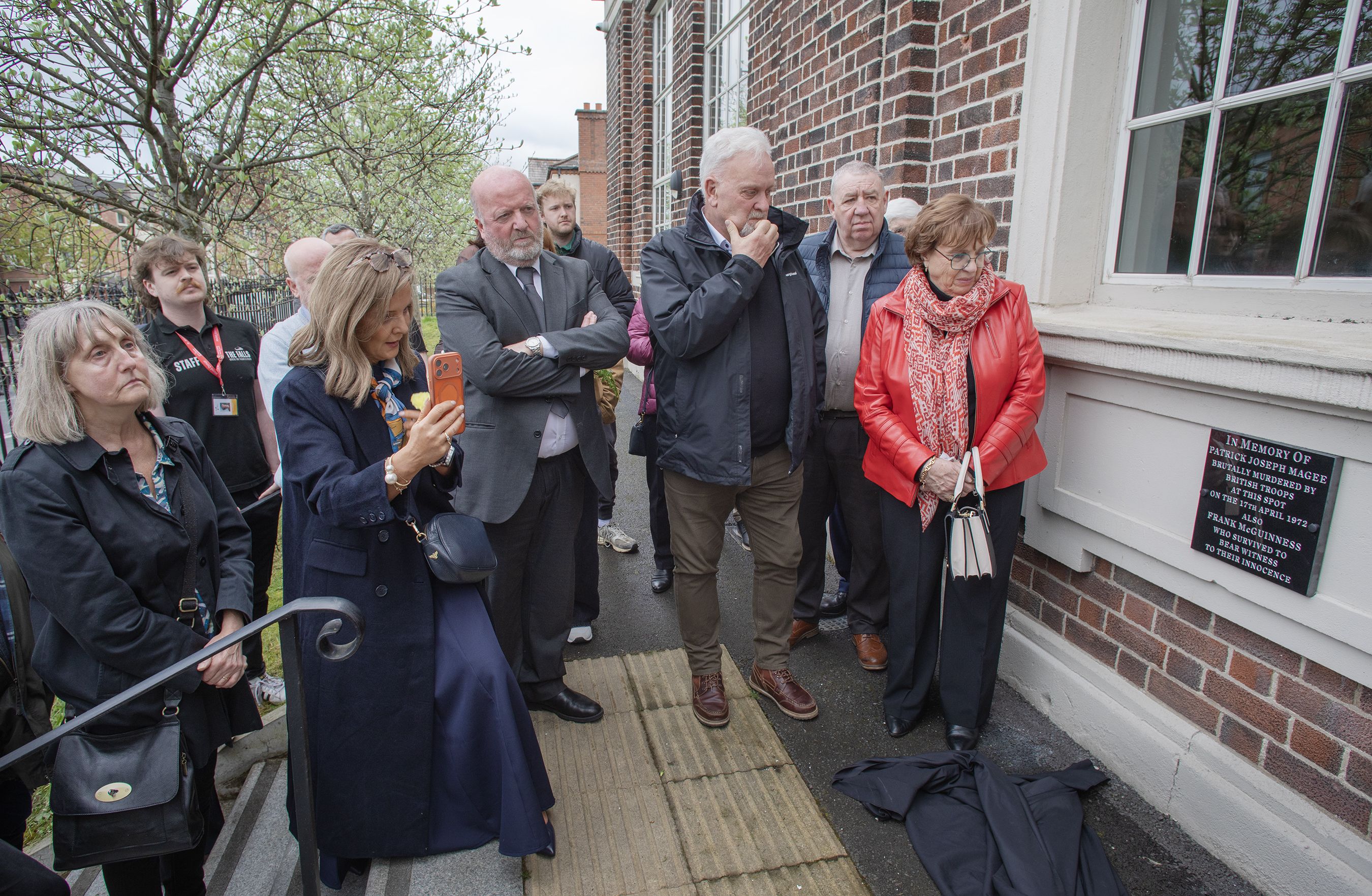
A PLAQUE unveiling has taken place on Divis Street at the spot where a student teacher was gunned down by the British Army over 50 years ago and another trainee teacher seriously injured.
During a poignant and emotional ceremony, family and friends of Patrick Magee (20), who was shot dead by the Royal Anglian Regiment on April 17, 1972, were joined by Frank McGuinness, who survived the attack, along with his family.
Patrick died at the scene while Frank was critically wounded. Following the shooting the ambulances that the men were being carried in were hijacked by the Parachute Regiment and driven on to the Shankill in an act of callousness and brutality still remembered vividly by many. An angry loyalist crowd mobbed the ambulance carrying the seriously wounded Frank and tried to overturn it. When the ambulance carrying Patrick’s body arrived, the mob opened the doors and dragged his body into the street. The harrowing images were broadcast on the evening news that night.
Patrick's family unveil the plaque at St Comgall's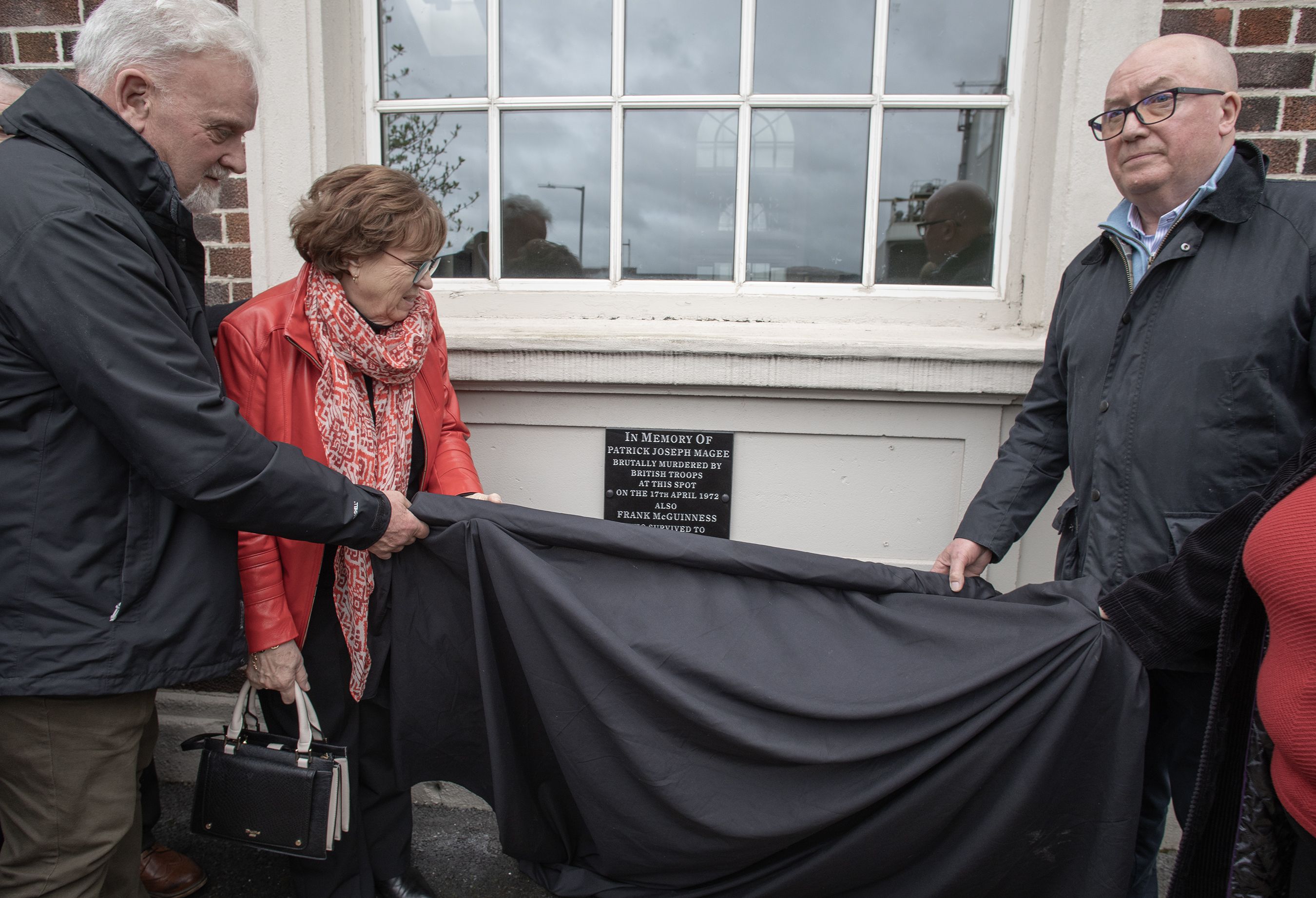

On Friday, the 54th anniversary of the shooting, a plaque was unveiled on the wall of St Comgall’s at the top of the steps where both men had scrambled for cover as a hail of bullets was directed at them from a British Army command post across the road in Percy Street. The bullet strikes from the horrific attack are still visible on the wall surrounding the plaque.
Gerry McConville, Director of Falls Community Council, who now own and run the former school as a multi-purpose event and workspace, told those gathered that not only was Patrick murdered by the British Army and Frank seriously wounded – "The sequence of events afterwards was appalling."
He said that Patrick and Frank are an integral part of the St Comgall’s story, adding that the plaque will ensure that Patrick's memory will live on.
Paul O’Connor from the Pat Finucane Centre outlined the events of that day. He said the day before the Royal Anglian Regiment had lost an officer who had been shot dead and were determined to exact revenge. The soldiers opened up from Percy Street when they saw Patrick and Frank walk past on their way out of town. According to the regiment's own statement, even the cook let off a couple of rounds. 65 rounds in total were fired at the two young men. Many of the strike marks can still be seen on the walls.
At the time the British Army claimed that they had shot two gunmen. However, in 1977 they were forced to admit that both men were innocent.
Speaking after the plaque unveiling, Patrick’s brother Gerry told the Andersonstown News that the event was “very emotional”.
“It’s 54 years to the day that Patrick was murdered and Frank was seriously wounded,” he said. “When somebody is killed under those circumstances it never goes away – other families will say the same thing. It casts a very long shadow and 54 years is a long time to wait for justice.”
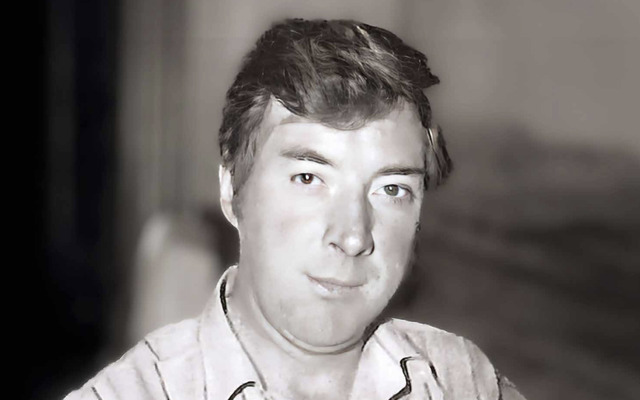
Patrick Magee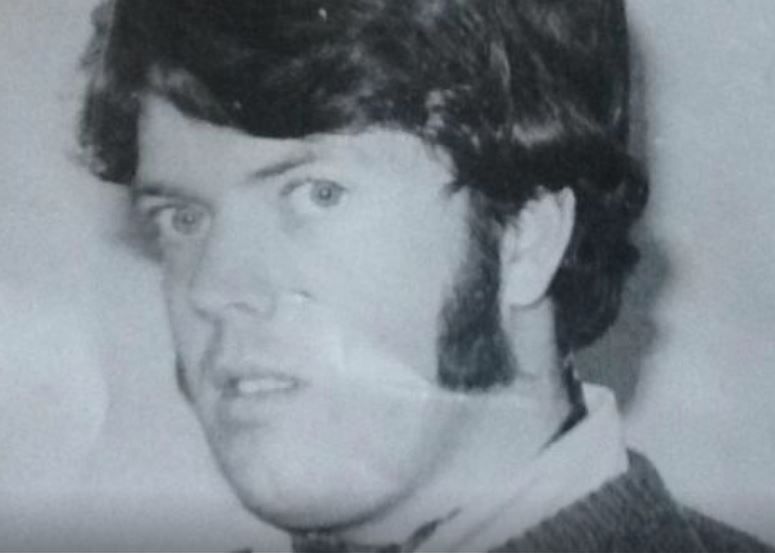
Gerry was 15 at the time of Patrick's murder. The family had been put out of their home off the Springfield Road in 1971 and had moved to Downpatrick. He said he will never forget when news broke that Patrick had been shot dead.
“I walked into the house and everybody was crying, it was unbelievable, but as I’ve said previously, not only did they kill Patrick that day, they also killed my father because after fighting to clear Patrick’s name, a couple of years later he was gone. He never recovered from it.”
Patrick’s brother Joe said it is extremely important for the family that 54 years on people have remembered him with the plaque.
“It’s events like this that you realise the loss and the utter futility of it," he said. "We’re very grateful for Frank, for his actions that day and the other people of the area who came to their aid. There was a lot of heroism that day.”
Frank McGuinness attended the unveiling with his family and was keen to put the circumstances of the shooting in the context of events of that time. He mentioned several people who put themselves in harm’s way to help him and Patrick.
He said that 86-year-old Patrick Donaghy was shot dead by the British Army in Divis Flats around the same time that he and Patrick were shot, while three days later 11-year-old Frank Rowntree was shot dead by the British Army with a rubber bullet just yards away from where they were shot.
“Whenever we were passing by the school the men were getting out of Andrews Mill and I waved to one of the men who I knew, Gerry McMullen, and he waved back to me,” said Frank. “He was accompanied by three colleagues, Paddy Lewsley, Gabriel McAteer and Mr Gormley, and when the shooting started they ran into Boyle’s fish shop which was abandoned. They were eyewitnesses and were able to later give evidence.
Frank McGuinness, who survived the shooting, speaking at the plaque unveiling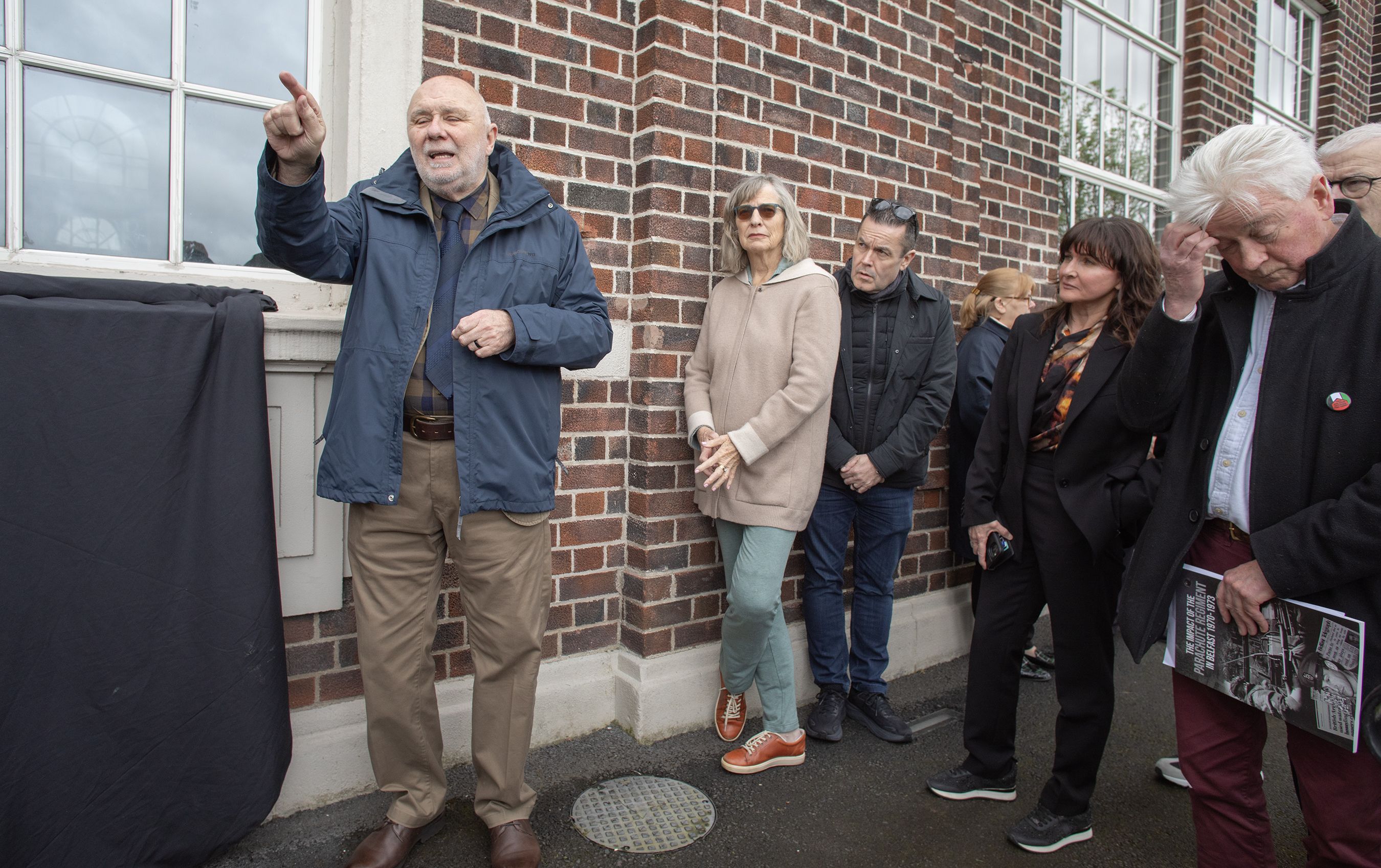
"Whenever the shooting stopped and I looked round there was a woman standing in the entrance to the bank that was closed at the corner of Percy Street – a lady called Mary McCabe – and she knew that I was wounded and when I called to her she ran over and she then ran round to the Presbytery at St Peter’s to get a priest.
“At some point when the ambulance arrived I was put in an ambulance by two doctors, Dr Lenfestey and Dr Wright, who had a practice here near the school, and then I was arrested. As I moved off, Patrick’s ambulance arrived and then the Paras dragged Patrick down the steps and on to the footpath and into the roadway and there was a man protesting against this, but they didn’t take any notice of him, and they eventually ended up throwing Patrick into the back of the ambulance.
“By this time Father Felix Darragh arrived from the Presbytery and the Paras wouldn’t let him into Patrick's ambulance. He then fought his way into the ambulance and the doors closed and they took off and we then proceeded in convoy along Percy Street. They photographed me, they interrogated me and I refused to cooperate and they then brought us across the peace-line into their billet and they just let the Orange mob at us. All I could see was a big cleric with a dog colour fighting with the crowd and it turned out to be Fr Darragh.”
Frank says that one of the ambulance assistants, Jim McKee, helped defend Fr Darragh and got him safely back across the peaceline. Jim then returned and got back into the ambulance and stayed with Patrick until he got to hospital.
At the Royal Victoria Hospital Frank says staff refused to take responsibility for Patrick because he was deceased. The porters, who he presumes were loyalist, refused to transfer Frank to theatre because he had been shot by the army.
“The theatre staff had to come down to get me,” he said.
“In fact the girl in the X-Ray department when she finished she pushed me back out into the corridor and closed the door and I was left in the corridor with the Paras and people who were all coming out of visiting were hurling abuse until eventually staff came down and took me away.
“But in the meantime Patrick had been brought to Laganbank Mortuary and Jim McKee stayed with him all that time. He wanted to be there until Patrick had been attended to.”
Frank says that Fr Montague from St Paul’s soon arrived to anoint him on the insistence of a ward sister. Due to the state he was in, Fr Montague, whom he knew well, did not recognise him.
“But worse than that, Patrick was his choir master and I then said to him how in actual fact I had survived and Patrick had died, and he was absolutely distressed by the whole thing and he then became violently upset and challenged the soldiers.”
Fr Montague made his way to Laganbank Mortuary and after seeing Patrick headed to Downpatrick to search for Patrick’s parents to inform them that their son had been shot dead.
Looking back on those tragic events 54 years on, Frank says that Patrick’s name will now live on when visitors arrive at St Comgall’s and see the plaque dedicated to the memory of a young life full of promise cruelly cut short.
“Patrick is one of the victims of the past as a reminder to the future," said Frank. "But the criminals who did what they did are unpunished and got away with murder.”