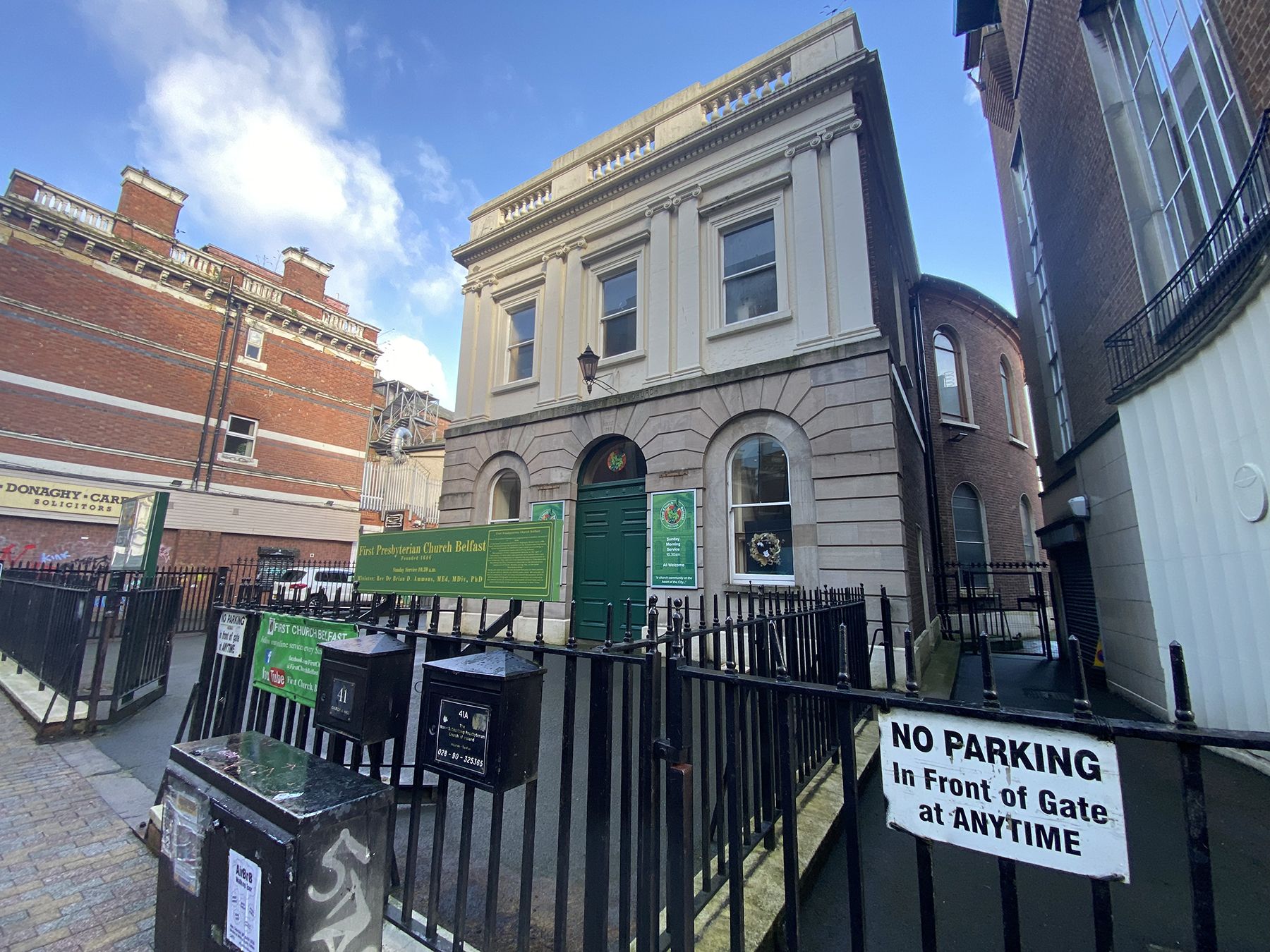
A MAJOR event examining Belfast’s connection to slavery and racism is set to take place in Belfast this Saturday.
Organised by Reclaim the Enlightenment, the event will take place in the First Presbyterian Church in Rosemary Street from 1.30 pm to 5.30 pm with an evening performance from 7.00pm onwards. The event is free.
Reclaim the Enlightenment has been behind the campaign to save the historic Assembly Rooms on the corner of North Street and Waring Street.
John Gray, Chair of Reclaim the Enlightenment, says that slavery and racism are issues that are prevalent today.
“Slavery was and is an abomination but equally we need to confront its pernicious offspring – racism,” said John. “We have recently suffered from what can only be described as racist riots but this is in a context in which only four per cent of Northern Ireland’s population comes from ethnic minorities, a far lower percentage than in either the Republic or Britain. Our migrants make an important positive contribution to our society and economy. They should be celebrated not demonised.”

John will speak on Saturday about Belfast’s history with slavery.
“We rightly celebrate our pioneers in the campaign against slavery but it is a chequered history,” he said. “Belfast prospered from the trade with the slave colonies. In the 19th century the Belfast Anti-Slavery Society campaigned first against slavery in the colonies and then against American slavery but faced considerable opposition. At the time of the American Civil War many supported the slave owning Confederate States.”
INVITE: Inside the First Presbyterian Church in Rosemary Street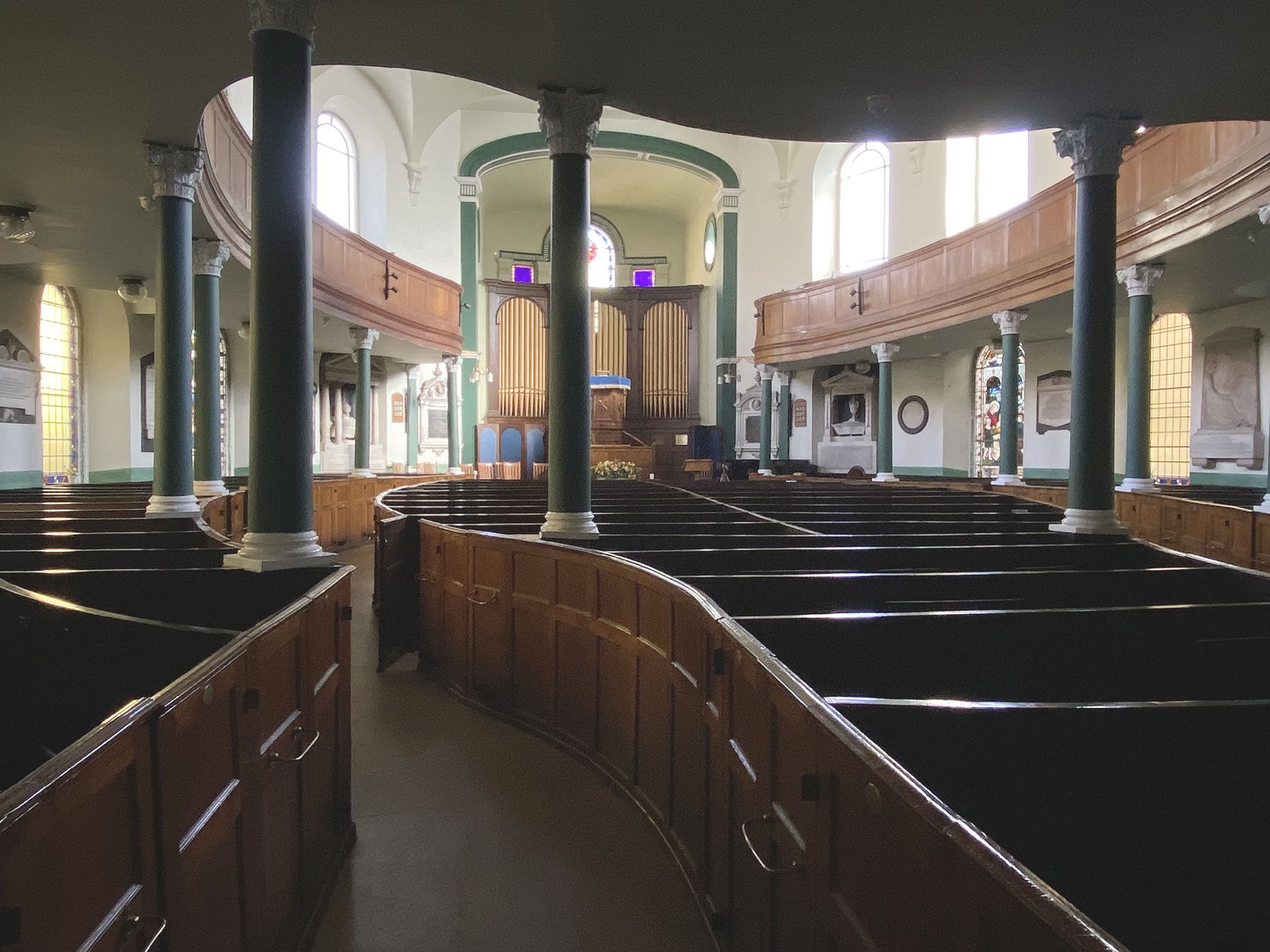

There will be other contributors on the day. Alan Millar will emphasise the opposition of the United Irishmen to slavery through editorials, news items, and literary contributions in their celebrated newspaper the Northern Star.
Cecilia Artsell will explore the history of the Atlantic slave trade with its economic and cultural consequences.
Tura Aratura describes himself as a ‘cultural innovator’. In the digital world he says we are able to explore histories of colonial exploitation but also find multi-faceted possibilities for working together in the future.
In the evening the Newpoint Players will perform Anthony Russell’s ‘The Trial of John Mitchell’. Mitchell was deported to Van Diemen’s Land for his excoriating writings about the conduct of the British government at the time of the Famine. His account of his imprisonment and escape in his Jail Journal became a formative text for Irish Nationalists and Republicans. Yet he was a fervent supporter of slavery and in backing the Confederate States during the American Civil War, even advocating a re-opening of the African slave trade.