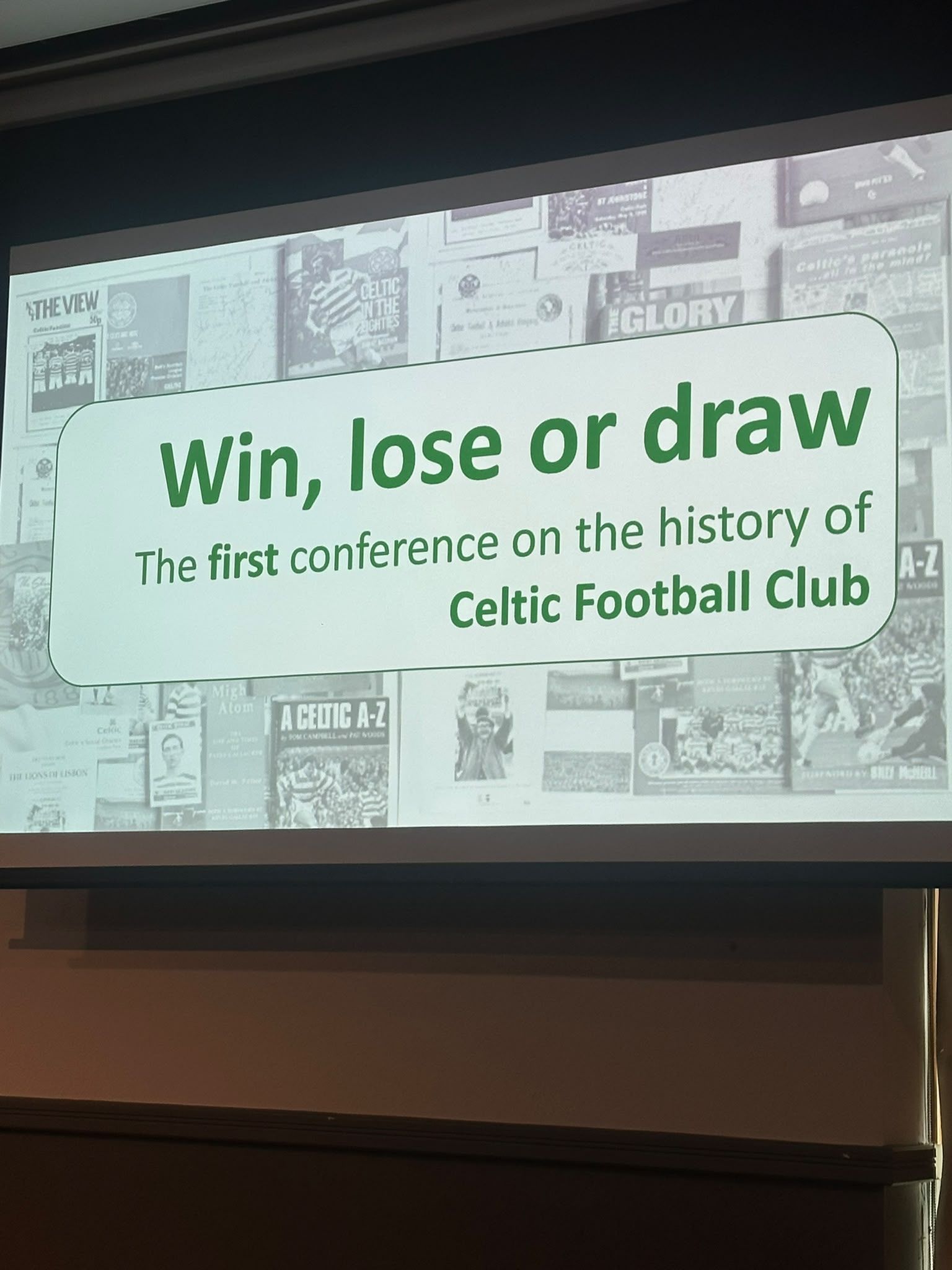
IN a season like no other, the club whose corporate logo is A Club Like No Other, again broke new ground by holding the first ever football history conference specifically dedicated to discussing one club – Glasgow Celtic.
More than 300 Celtic supporters gathered at the Kerrydale Suite at Parkhead on Saturday for the Celtic History Conference, a fascinating and enjoyable day dedicated to exploring the rich heritage of one of football's most famous institutions.
The event attracted an enthusiastic audience of supporters, historians and researchers, all eager to learn more about the people, events and social forces that helped shape Celtic. Throughout the day attendees were treated to a series of thought-provoking presentations that highlighted different aspects of the club's remarkable story.
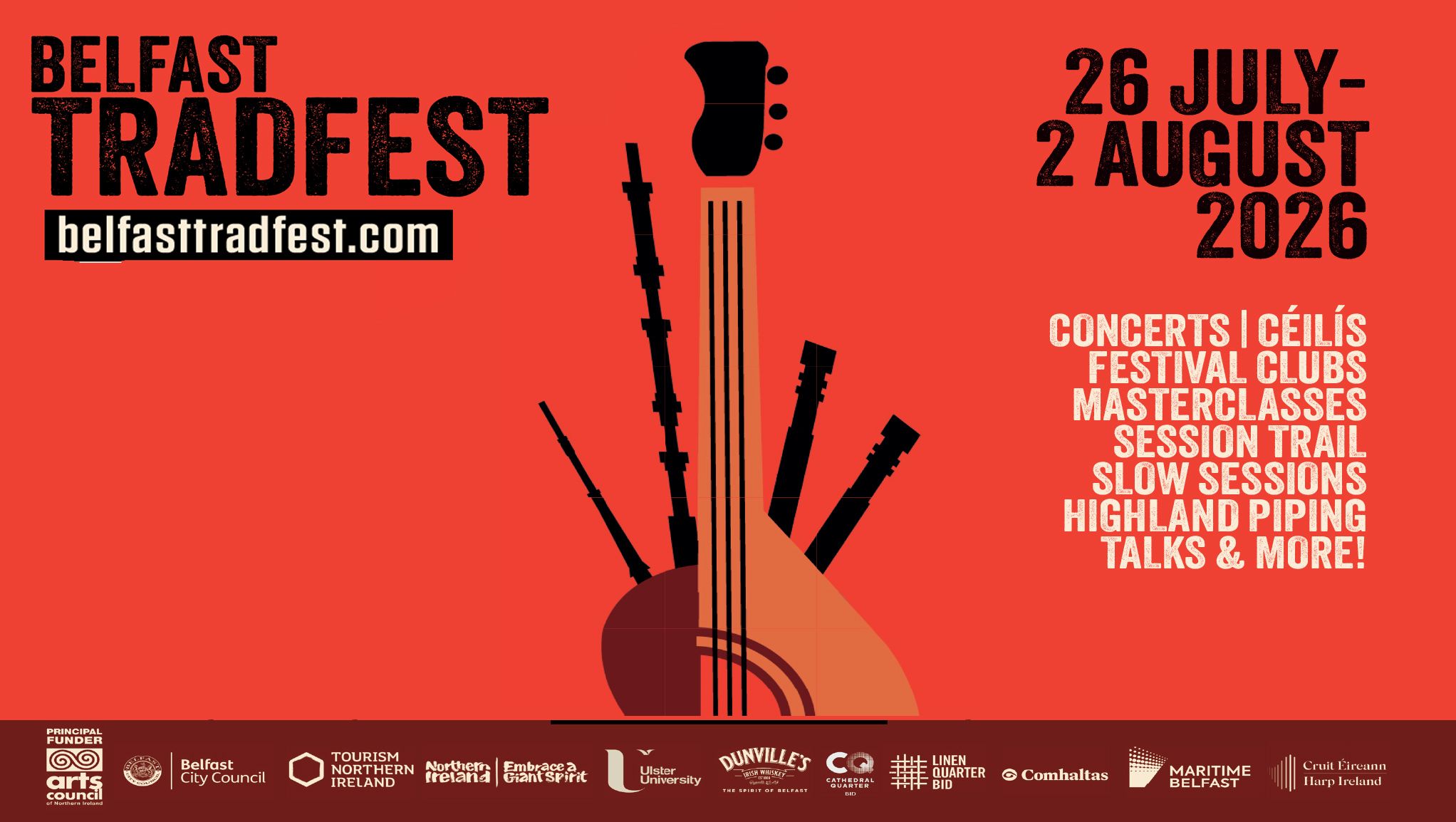
Chaired by David Watt, the proceedings began with an opening address from former player Tosh McKinlay (1994-99), who warmly welcomed delegates to Paradise. In inimitable Tosh style he roused the support of the audience by leading a one-minute applause for Celtic historians Tom Campbell, David Potter and Pat Woods who are sadly no longer with us.
The keynote speech was delivered by Dr Joe Bradley, whose presentation examined the profound influence of An Gorta Mór on the circumstances that ultimately led to Celtic's formation in 1887. Joe explained how the migration of large numbers of Irish people to Scotland created communities that faced significant social and economic challenges. He argued that these experiences played a crucial role in shaping Celtic's distinctly Irish and Catholic character, helping to explain why the club became such an important symbol of identity, solidarity and community for generations of supporters. Joe raised the interesting point of Celtic’s unique position in Scottish football of being the dominant underdog. The club have amassed more league titles than any other club yet are still viewed by many in Scotland as outsiders.
Another highlight came from Dr Michael Connolly, who focused on the life and legacy of Brother Walfrid, the Marist Brother whose vision and determination were central to the club's creation. Michael outlined how Walfrid's commitment to alleviating poverty among Glasgow's Irish immigrant population inspired the founding of Celtic. His presentation reminded attendees that the club's origins were rooted not simply in football but in charity, compassion and social responsibility.

The conference also featured an engaging contribution from Dr Margo McCuaig, who explored the often-overlooked role of women in Celtic's history. Drawing upon extensive research, she highlighted the importance of female supporters from the club's earliest years through to the present day. She raised the simple question: Given the large female support that Celtic has, why are so few books about Celtic written by women?
History teacher Matthew Marr displayed his great knowledge and humour about the many historical sites connected to Celtic’s history. Stephen Murray ended the conference by showing superb photographs that have captured Celtic’s history from a supporters’ perspective. These great photographs of supporters were a fitting way to end the first Celtic History Conference for as the great Jock Stein said: “Football is nothing without fans.”