FITTINGLY for Easter week, we have the discovery of a rare and extremely unusual plant – by a parish priest and his pal!
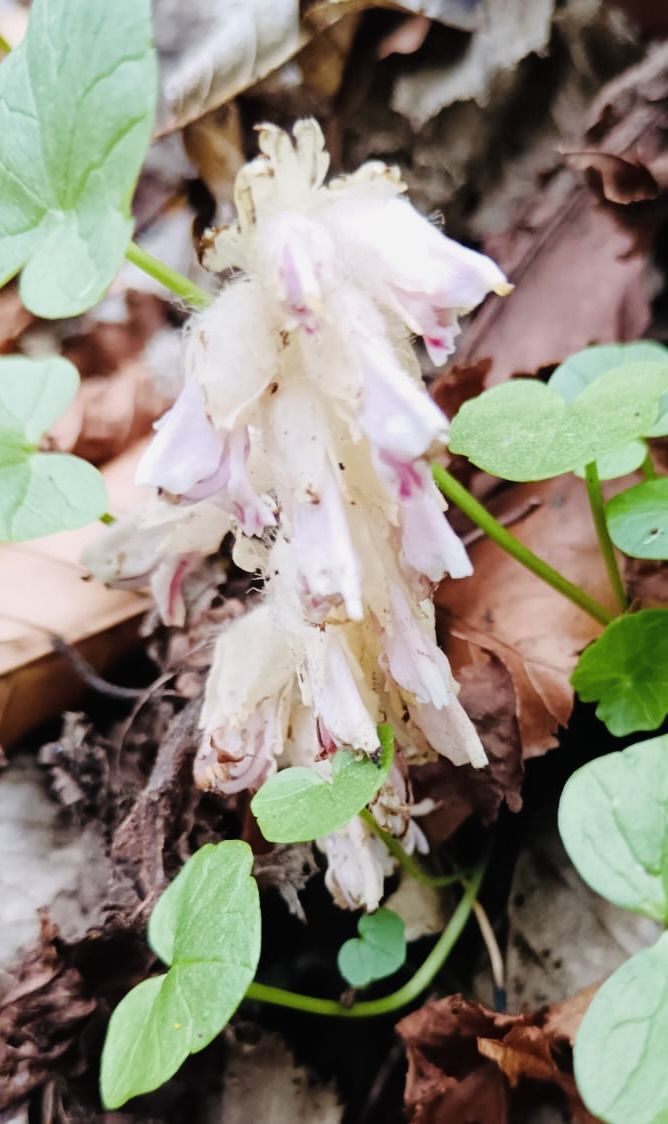
Fr Martin Magill was walking in the Falls Park – as he does most days – when he spotted this unique plant. Toothwort – slánú fiacal – is a parasitic plant that lives on the roots of mainly hazel and alder trees. Unlike other flowers, it doesn’t use photosynthesis to turn sunlight into fuel, but instead has flesh-like leaves under the ground attached to its host plant. It only appears to us in April when it sends these pale flowers above the soil.
Fr Magill admits he didn’t find it by chance, but was sent the challenge to track it down after it was first found by his friend, the noted botanist David McNeill, an elder at Fitzroy Presbyterian Church in South Belfast.

“You have to credit David with finding it, not me!” laughed Fr Magill.
“I go to the park regularly but I don’t usually walk on the far side of the stream. I knew I was looking for an unusual plant and I spotted it close to the wall of the Translink depot.”
David, who's the county recorder for Antrim of the Botanical Society of Britain and Ireland, says the last record of toothwort in Falls Park was way back in 1828.
“I explore around the county throughout the year and toothwort is an early flower,” he said. “I always wanted to take a walk around the Falls Park – I had been there once before but not for a proper walk.
“I came across it in a couple of places within the park and looked up the records – it had been found in 1828 and there were no other records in the intervening 198 years. I was very pleased about that.
“I found toothwort in the Bog Meadows a few years ago and it was first recorded there in 1797.
“It shows you how few people are aware of how to log a sighting – I’m sure people have seen it but haven’t put it into any official record.”
David says the fact that toothwort picks up its nutrients from its host plant allows it to flower so early in the year.
Dúlra was intending to visit the park to see the grey wagtails nesting along Ballymurphy Stream – now he can enjoy two great natural marvels at the same time!
• This beautiful siskin is at the end of her days.
And it’s because of a disease that we unintentionally give her.
BAD OUTLOOK: This siskin is unlikely to survive for much longer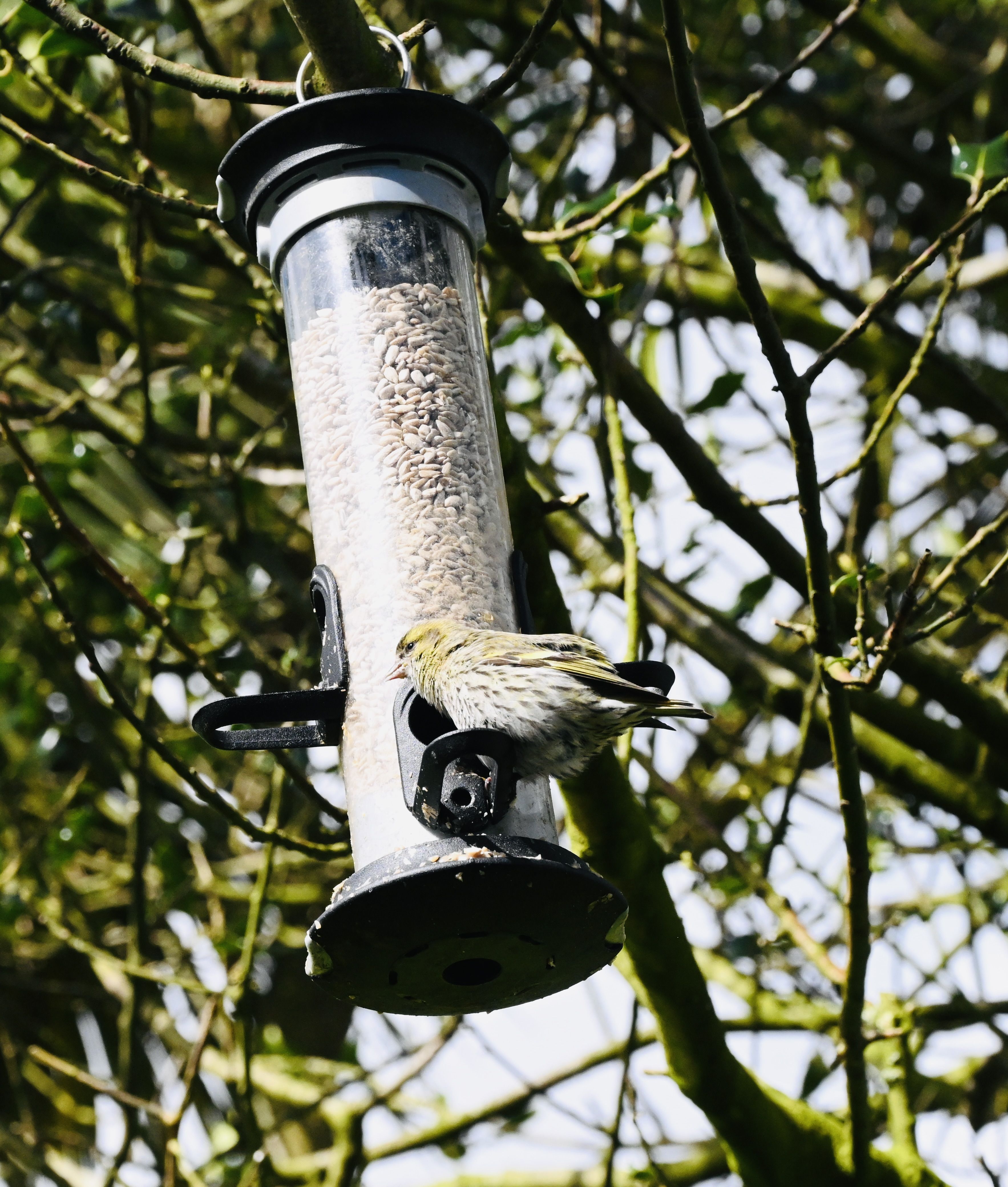

Dúlra has seen the signs before – a bloated bird, feathers untidy and it's too tired to flee. She has trichomonosis, a fatal disease caused by a parasite that spreads on bird feeders.
Dúlra can only say that she didn’t get it on his feeder, which is new and is refilled every day with clean seeds, and there are no old seeds left to rot.
It’s so sad to see a bird struggling so close to breeding season. Siskins are due to vanish from gardens this week as they head for the treetops to breed. From being friendly garden birds they simply disappear, returning in autumn with their young.
It’s unlikely this female siskin will manage to make it to the mountains. If she doesn’t succumb to the illness, she’ll be easy pickings for a cat or a hawk.
• Dúlra was at the window watching the birds on the feeder this week when a silent killer came sweeping in.
The sparrowhawk’s passing visit lasted all of five seconds. The small male raptor appeared around the side of the house at head height, flew silently past the feeder, dipped over the hedge to check out the neighbour’s bird table, back again and then right towards the window Dúlra was at, before swooping over the hedge once more and away. Thankfully, it didn't see the poor siskin.
If only he happened to be filming on his phone, it would have been incredible footage.
For the garden birds, it’s like they are victims of a drive-by shooting at least once a day. Most times, one of their number will pay the ultimate price. But life must go on, and a few minutes later the finches were back on the feeder as if that life-or-death moment had never happened. We could learn from their courage!
• If you’ve seen or photographed anything interesting or have any nature questions, you can text Dúlra on 07801 414804.