THE ‘Planning for Constitutional Change Bill 2026’, which I referenced in last week’s column, has passed its first hurdle in the Dáil. It will now go to second stage on July 7 and then on to the Committee stage before returning to the Dáil later in the year.
The Bill sets clear goals and timetables for measures that have to be taken to properly plan and prepare for constitutional change on the island of Ireland. It does so in accordance with the provisions of the Good Friday Agreement.
It requires the Taoiseach to prepare and publish a Green Paper within 12 months. This has to address issues as diverse as public finance, taxation, public services, human rights, governance arrangements and relations between Britain and Ireland. The Bill also obliges the government to establish a Citizens’ Assembly on Irish unity within six months of the publication of the Green Paper. Convened and funded by the Department of An Taoiseach, this will bring together representatives of the people of Ireland from all communities and citizens who have a stake in the future.

The unity conversation is well under way, but conversation alone is not enough. To seize the opportunity, the Irish government has to step up. It has to plan and work to create the conditions in which the unity referendums, North and South, are passed by citizens. The Bill is an important step in this process.
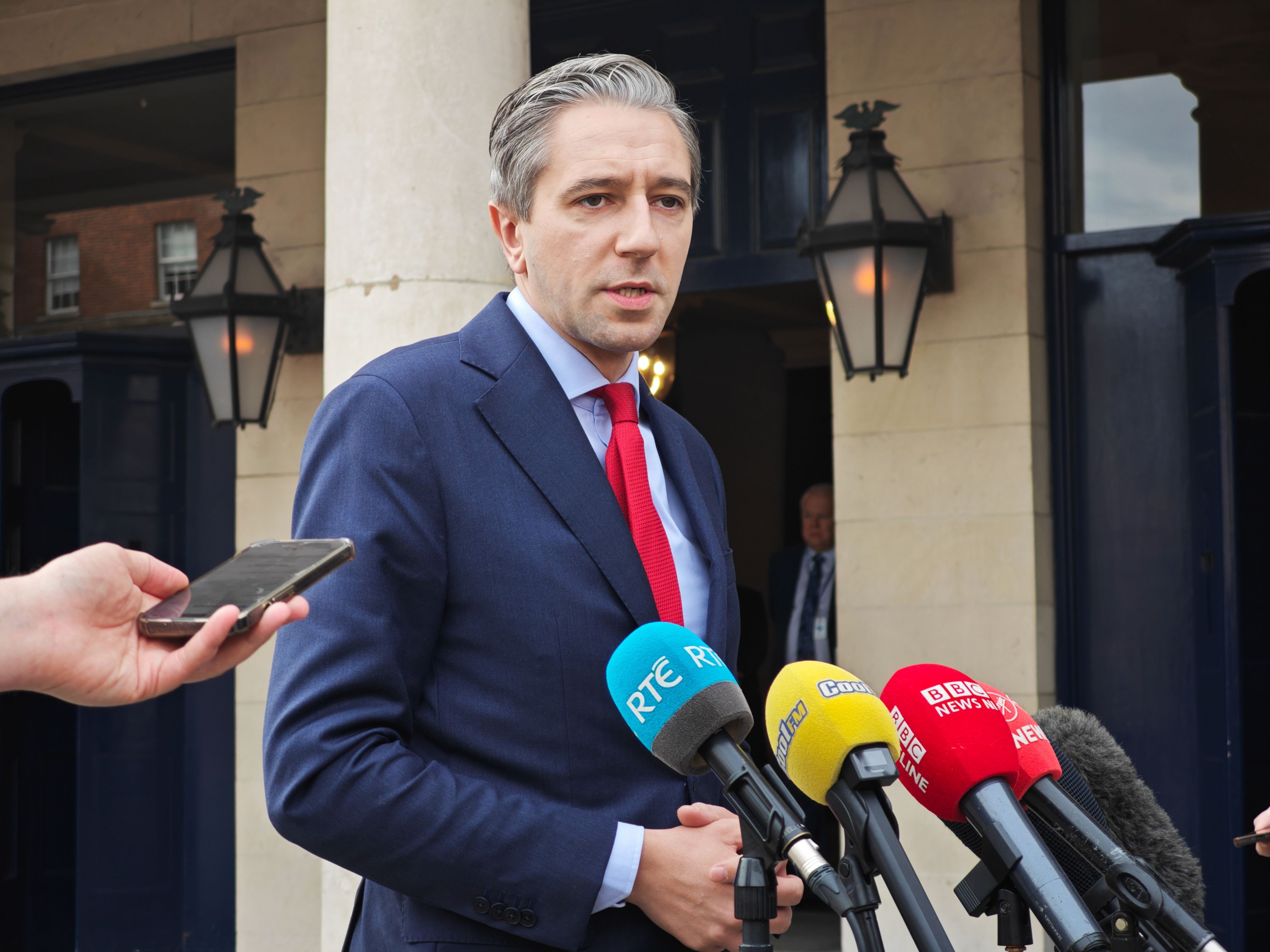
The announcement by Fine Gael leader Simon Harris that Fine Gael will publish a blueprint for unity at its Ard Fheis in November appears to have caused consternation among some within the ranks of Fianna Fáil. Some media reports claim that there is significant annoyance within Fianna Fáil ranks that it is being outflanked on the key issue of Irish unity by Sinn Féin and now by Fine Gael.
Whatever the truth of this speculation we do know that Micheál Martin is steadfastly opposed to taking any steps toward preparing for or advocating for a united Ireland. We also know that two years ago the all-party joint committee on the Good Friday Agreement published a major report on constitutional change. It called for a whole-of-government approach to the planning for Irish unity.
The Sinn Féin legislative initiative and Fine Gael’s proposed blueprint, along with the work of others, means that the conversation on the constitutional future of the island of Ireland is now entering another phase. Our focus has to be on pushing ahead; not relaxing, but seeking to persuade people that a united Ireland is in the best interests of all the people of this island.
Clodagh Good lived a life of service and dedication to others
LAST Saturday I joined hundreds of people in Knock Methodist Church for a celebration of the life of Clodagh Good. The Church was filled to overflowing with political representatives from over the past four decades or so, of all political hues and I was joined by Gerry Kelly, Jim Gibney and Richard McAuley. It was a beautiful, uplifting and inclusive event. As was befitting the woman we came to honour.
RIP: Clodagh Good’s faith was gentle yet strong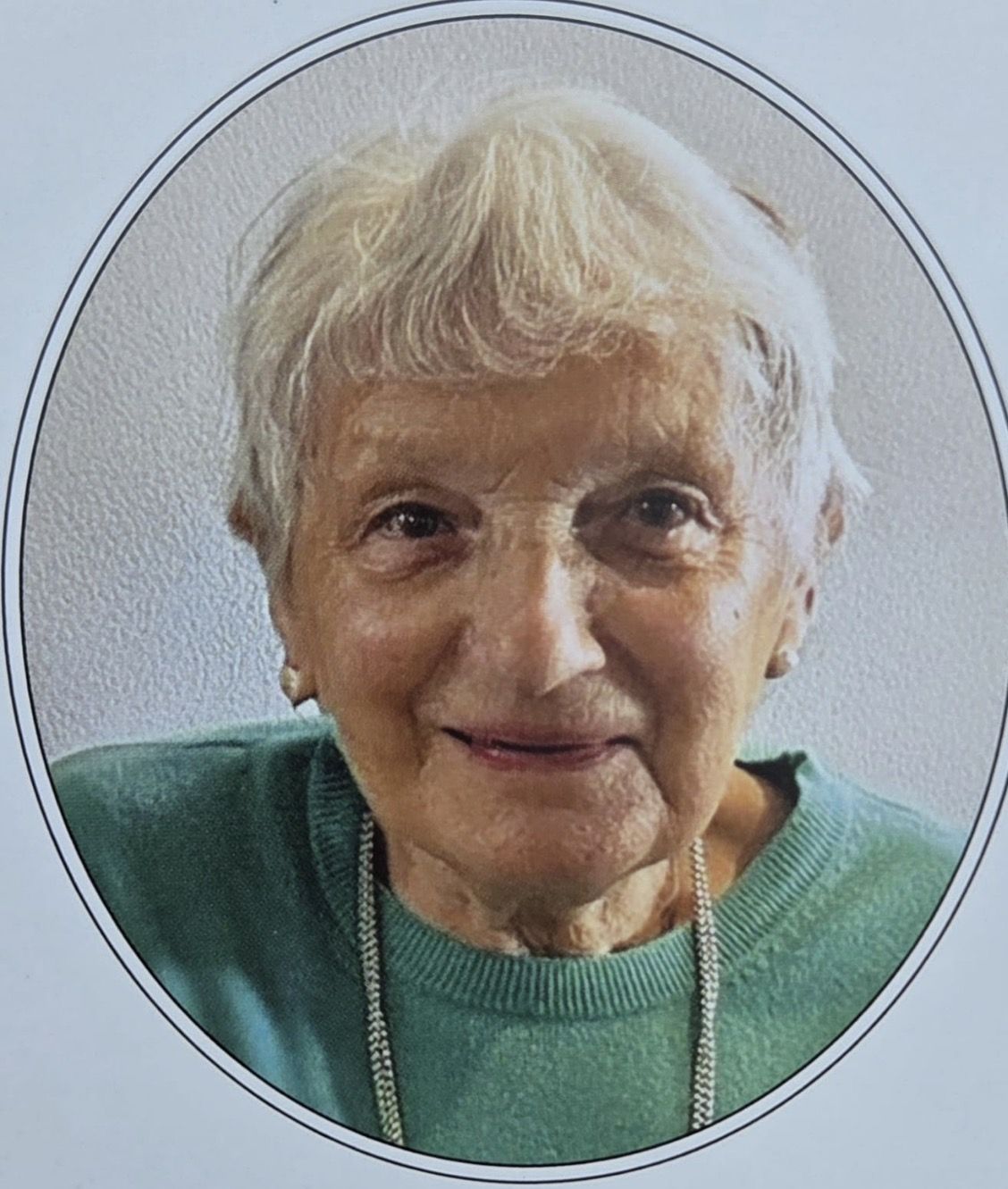

Clodagh Good, née Coad, was the wife of Harold Good. Harold was a key figure in our peace process. He did extraordinary work, not least with Fr Alex Reid. He was one of those from what is usually described as the Protestant tradition who went beyond the rhetoric and into the essence of that tradition to explore how it could be a catalyst for positive change. A catalyst for good.
The Methodists are like that. Especially Clodagh. She was from Waterford. As Irish as the day is long. With strong yet gentle religious beliefs which anchored her life. A woman of good humour with an unassuming, practical, good natured welcoming attitude to those of us lucky to enjoy her hospitality. She and Harold married sixty years ago. She left the tranquillity of Waterford to journey with him throughout Methodist institutions far and wide before making her home in the North.
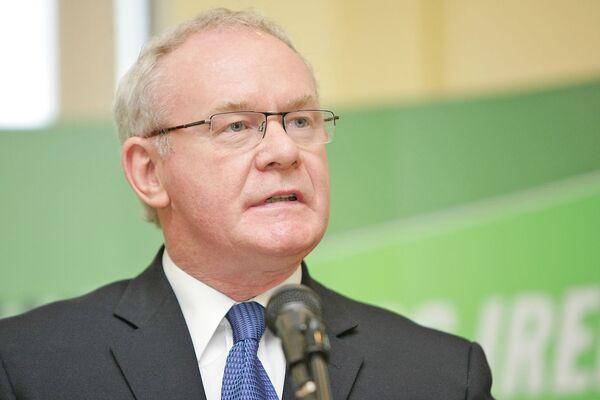
I met her decades ago when Martin McGuinness and I, and others, visited her home for a private discussion hosted by Harold. Her tea and scones and no fuss demeanour played its own significant role in normalising the gospel of dialogue.
Last Saturday’s event celebrated this. And much more. Clodagh’s life was a life well lived. The Reverend Fiona McCrea conducted the service with warmth. She paid homage to Clodagh’s skills and abilities. Not least in raising a fine family and a good husband. The President of the Methodist Church, the Reverend Dr Janet Unsworth, paid her own tribute. Personal as well as formal. Clodagh baked her wedding cake and made her wedding dress, if I recall her remarks properly.
The family tribute was led by Jonathan and Richard Good. They entertained and enthralled us with their tales of growing up in a busy family with good-humoured and loving insights of how their mother and father raised five children and minded each other through all the challenges and adventures of their time. Clodagh and Harold were also blessed with grandchildren, and great grandchildren. Some of them participated in family prayers and a reading.
The Reverend David Cooper delivered a reasoned, thoughtful and warm pastoral reflection which captured the essence of his friendship with Clodagh and Harold and gave all of us insights into how we might meet the challenges of modern life. And Fr Martin Magill finished by reciting the same prayer which Harold read and dedicated at Fr Alex Reid’s funeral Mass. On Saturday it was dedicated to Clodagh. Thank you,
Clodagh, for your service and for dedicating your life to the rest of us.
Slán
Art of the matter
THE Sean O'Casey Community Centre is in East Wall, Dublin. It is an excellent local facility providing a range of amenities for the community, including a playschool and crèche, a sports hall and 7-a-side pitch, and facilities for senior citizens. It also has a wonderful theatre. Last Thursday Sinn Féin’s Commission on the Future of Ireland held a well-attended public discussion there on ‘The Arts in a New Ireland’. About 70 people participated in a thoughtful, informative and enjoyable conversation.
Aengus O’Snodaigh TD welcomed everyone and spoke briefly about the many advantages and opportunities for the arts community that Irish unity can bring.
The event was chaired by Vanessa Fielding (CEO/ Artistic Director at the Complex) and included Sara O’Neill (fashion designer and artist), Tony Devlin (actor/ producer/director) and Robbie Kitt (DJ, musician and cultural organiser).
Uachtarán Shinn Féin Mary Lou McDonald opened the event. She said: “Great things happen when artists get together. Imagine Irish history if Pearse had never panned a poem, or Connolly written songs and plays, or if Markievicz never picked up a paintbrush or if Eamonn Ceannt never played the pipes. Culture was inseparable from the nation they fought to build... The arts cannot be tamed or contained by a border drawn on a map.”
Robbie Kitt said: “I really enjoyed the parts of the discussion about how we might structure society in a united Ireland and how it has to recognise that people, its citizens, are important.”
Tony was in no doubt about he found most encouraging. He said: “The amount of positivity in the room was the overriding point I will take away from the event.”
Sara spoke of the need in a united Ireland to “build a sustainable, inclusive sector where all of the arts work together.”
Vanessa said she was delighted to chair the event and thought that there were “some really interesting insights from the audience, who were very engaged.”
The Commission is busy planning other events here and in the USA but next on my agenda will be the SDLP conference ‘The Future of These Islands: Preparing for Change’. which is taking place at The MAC on Thursday, June 25.
Starmer's legacy
KEIR Starmer announced his resignation on Monday. His support for Israel in its military actions against the people of Palestine and the Labour government’s disgraceful criminalising of those opposing the genocide undoubtedly played a significant part in undermining his leadership.
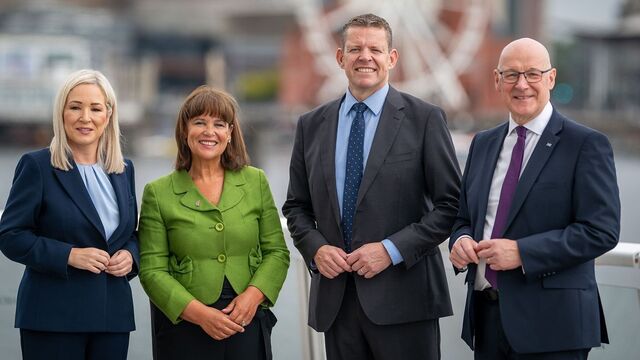
Along with the electoral successes of Plaid Cymru and the Scottish National Party, there is a changing political dynamic emerging within the British political system. It is an opportunity for those of us who believe in Irish Unity to grasp this moment. Keir Starmer did nothing for Ireland. His successor may not do any better. That is why, relying on our own strength, we must press on. Until we prevail and our people, all of us, decide our own future.