FOOD and mood are closely linked. The food we eat provides us with energy and nutrients that our brains need to work well. This in turn affects our emotions and how we think.
At the same time, our mental health can also influence our eating habits. If you want to have a chocolate bar and it makes you feel happy then go for it, so long as you stay below 30g of free sugars per day. This is equivalent to a small Dairy Milk bar as an example.
Try not to demonise foods as this creates a negative relationship with food. Try not to look at foods as good or bad as this can create a negative relationship with your food intake.
Carbohydrate helps with concentration and focus in daily life – fruit, veg, potatoes, oats, bread, rice, pasta, spaghetti, noodles, couscous, for example. Sufficient intake of these foods can reduce your likelihood of becoming ‘hangry’ too. Lack of iron can make us feel tired which may give us a low mood – iron is found in particular in red meats, nuts (especially almonds, Brazils and hazelnuts), beans and wholegrains like bread, rice, pasta etc.

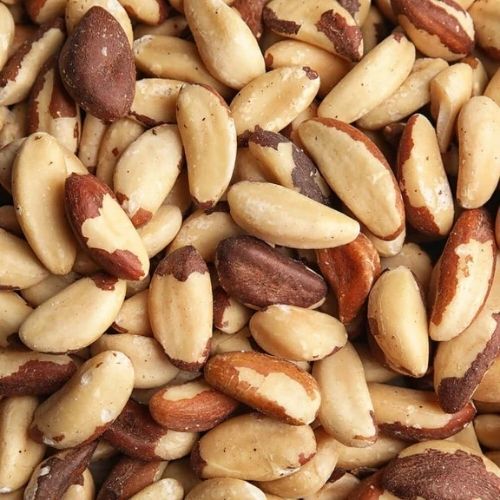
Lack of selenium can have a negative effect on mood and you can get your intake from Brazil nuts, tuna, chicken, sunflower and chia seeds.
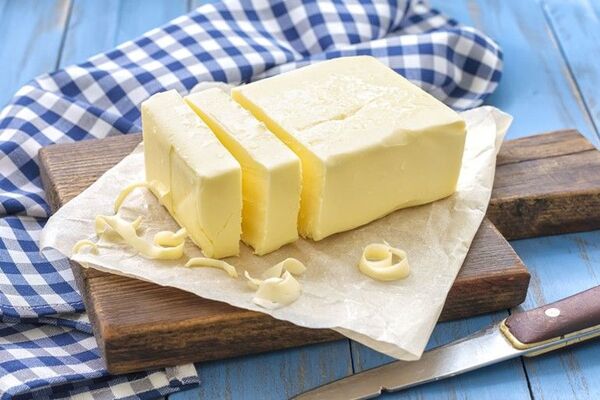
Lack of vitamins B1, B3 and B12 can make us feel tired, irritated and depressed. Think of wholegrains, eggs and dairy, or alternatives like Alpro soya milk. Lack of vitamin B9 may make us feel depressed, so lift your mood with foods including avocado, asparagus, broccoli and spinach. And be sure to steam your veg to retain the vitamins and goodness.
•Lee McCusker (BA; MSc; MSc; MSc; ANutr) is a registered nutritionist from Belfast and can be found on Facebook, Instagram and Twitter. Email: attentive nutrition@gmail.com