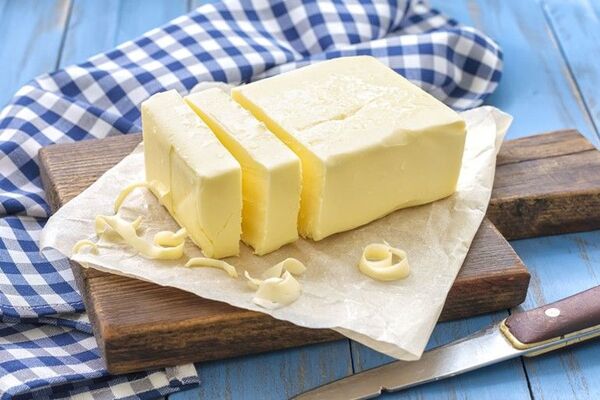
TRANS fats were produced historically when vegetable, olive or sunflower oil etc had a chemical called hydrogen added to them to make them solid at room temperature (as they are liquids) so the final product could be packaged as a margarine, for instance.
They were also used in biscuits, cakes and takeaway foods to help preserve the food, maintain its flavour and keep it together. Trans fats have a detrimental effect on our cholesterol, with high cholesterol being a key risk factor for heart disease.
Public health recommendations are no more than 2% of total calories from trans fats, which would work out at forty calories for a person on a 2,000 calorie diet, or 4.4 grams of trans fat.
Good progress has been made in our food industry to remove trans fats in the last 10 to 15 years with average intakes where we live now being on average below 1% of total intake. Most food chain operators including (but not limited to) Burger King, McDonald’s, KFC, Subway, Pizza Express, Pizza hut, Pret a Manger and Greggs have eliminated trans fats from their products, which is a very important step in public health nutrition. So, in fact these food chain operators are not as bad as they once were historically in a trans fat context. I’m not promoting these food chain operators and they shouldn’t be making up majority of your diet’s calories due to poor quality nutrition in them, let me make that clear.

Trans fats are still a big problem in developing nations, where they’re associated with rising levels of diabetes and heart disease,
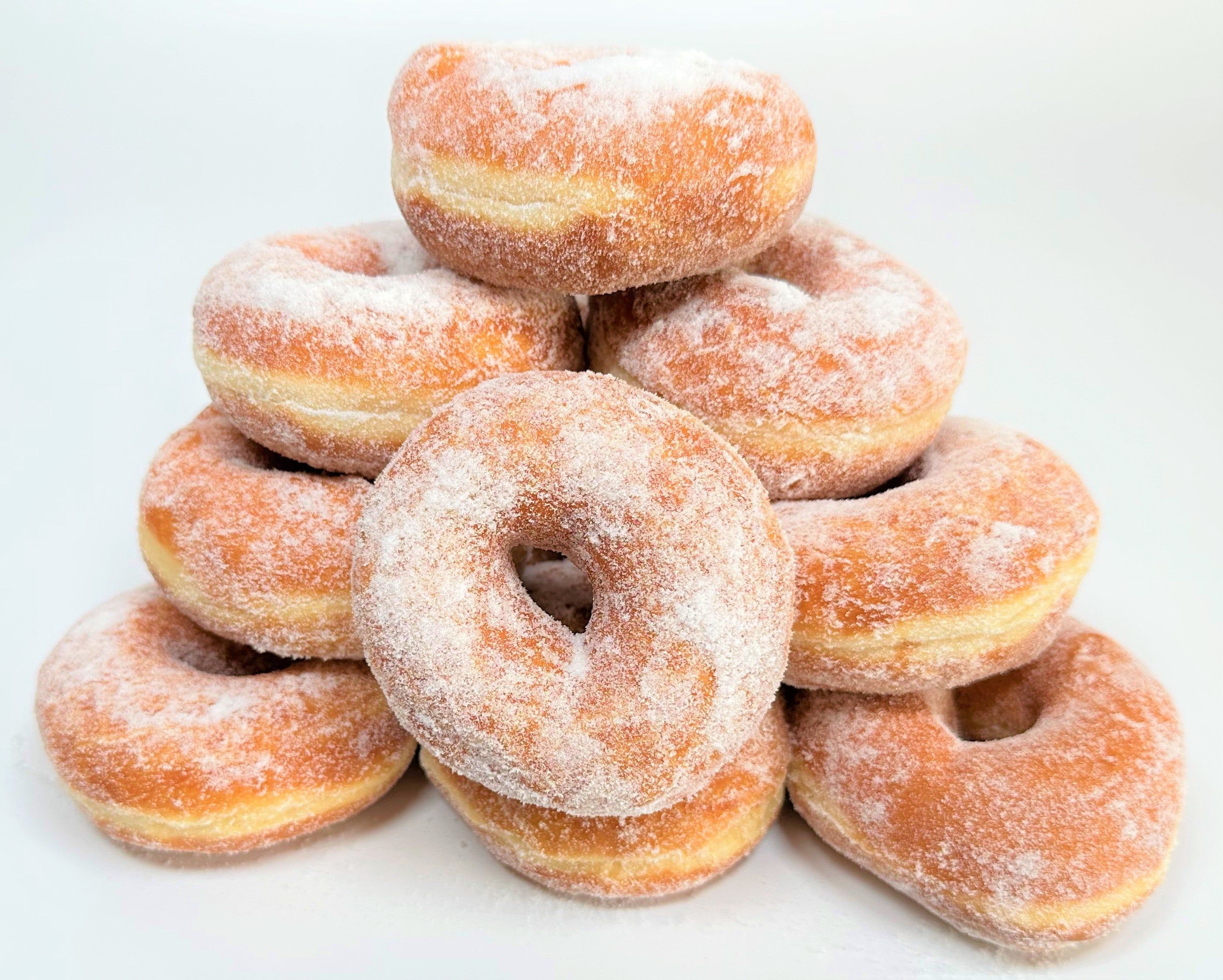
Trans fats may be still present here in some doughnuts, pastries and ice creams so look in the ingredients list for partially hydrogenated or hydrogenated fat or oil. Trans fats occur naturally in meat and milk, but these are not targeted for reduction – it’s the artificial ones previously described that are the problem.
• Lee McCusker (BA; MSc; MSc; MSc; ANutr) is a registered nutritionist from Belfast and can be found on Facebook, Instagram and Twitter. Email: attentivenutrition@gmail.com