Glutamine helps support immune cells and is a primary fuel source for our intestinal cells.
It is a protein that is made from amino acids. These are the building blocks of protein and are crucial for life and bodily functions. They do many different things, from building muscles, repairing tissues and producing hormones.
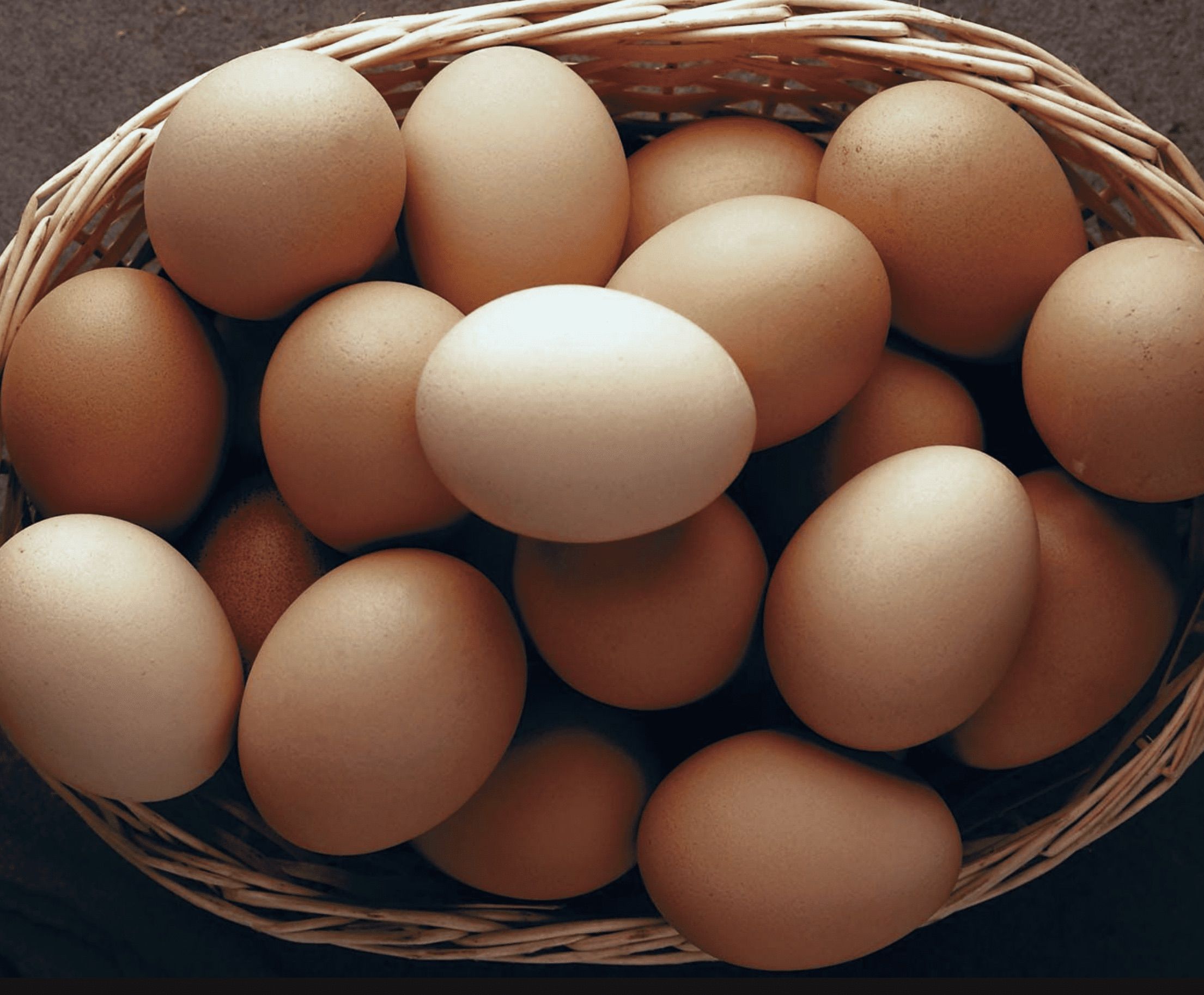
Glutamine is made from what is known as essential amino acids. These essential ones are needed daily in our diets from food sources such as lean meat, fish, eggs, soya, Quorn and pulses especially.
It’s advised to have 2-3 portions per day from this food group. Dairy (low fat cheese, low fat milk, low fat yoghurt) can be added to the equation too with three portions advised daily on top of the main protein group.

So, if you get enough of these foods you won’t need to take Glutamine supplements, despite what you may read online. In a clinical setting, glutamine levels may drop low in people following major surgery or critical illness. This is classed as a situation of extreme stress.
This is where glutamine supplementation may be effective in reducing infection in these patients. But this is in a clinical setting where medical practitioners will best advise on this. In simple terms glutamine is not really needed for training or exercise providing you follow the dietary guidelines at the start of this column.
• Lee McCusker (BA; MSc; MSc; MSc; ANutr; SENr) is a registered nutritionist from Belfast and can be found on Facebook, Instagram and Twitter. Email: attentive nutrition@gmail.com