CS Lewis famously said that, when living through monumental change, it's all but invisible.
In his words, "Isn't it funny how day by day nothing changes, but when you look back everything is different?"
No doubt that is true in many circumstances but, thankfully, not in Belfast 2026 where the change is as clear as Cave Hill on a summer's day.
In fact, the fortnight kicking off with TradFest on Sunday 26 July and ending with the close of Fleadh Cheoil na hÉireann and Féile an Phobail on Sunday 9 August may be seen "when you look back" as the most consequential period for Belfast since the Good Friday Agreement of Easter 1998.
For while the Good Friday peace accord promised change, these two weeks are giving it shape and meaning.

Dual language traffic management and bus lane signs along the Falls Road are the low-hanging fruit in the vivid realisation of the Gaeltacht Quarter which has finally been picked by the Department for Infrastructure. A simple but also deeply significant move on signage which acknowledges the dignity of our Irish language community.
Let's welcome this signal to the young people attending the many Irish schools on the road — from Gaelscoil an Lonnáin near Divis to the bursting-at-the-seams Gaelscoil na Fuiseoige in Twinbook — that their language is cherished and celebrated. No longer are they to be treated as strangers in their own city.
Of course, the icing on the cake for all those who have battled for respect for An Ghaeilge, as we exclusively report this week, is that there are plans for Coláiste Feirste to occupy the old Corpus Christi school at Beechmount in a £10m addition to its estate.
But those breakthroughs are but appetisers for the feast that is TradFest, Féile and Fleadh.
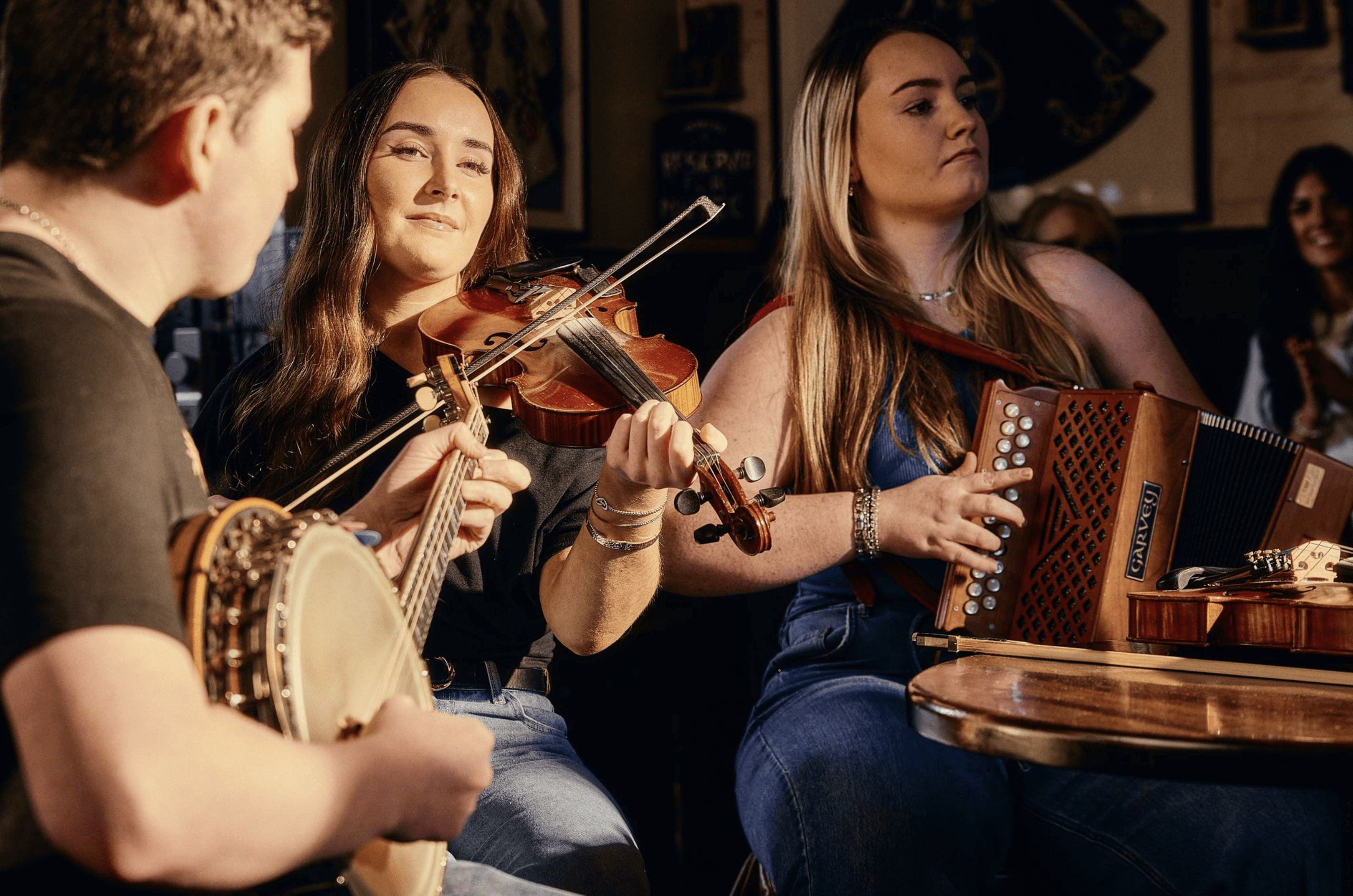
With its emphasis on cross-community reconciliation and saluting the shared musical legacy of Planter and Gael, TradFest has brought a new string to Belfast's bow. Its uplifting programme is simpatico to its Belfast background while also pushing the envelope to make us all dance together on the common ground — literally as in the case of last Sunday's céilí on the Titanic slipway.
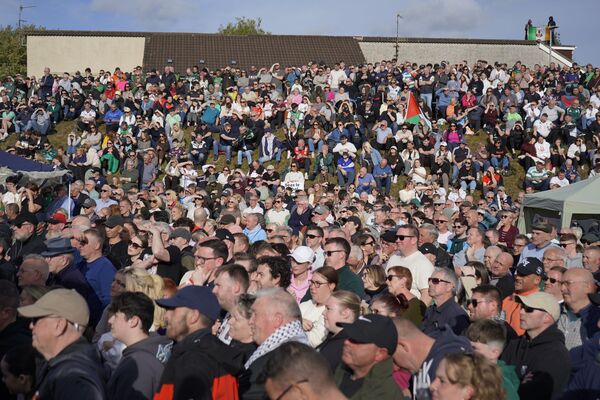
Similarly, Féile an Phobail plays a vital role in helping Belfast reach a crescendo. Long gone are the days when City Fathers and City Mothers gathered to parse the programme and search out excuses to withhold funding from this jubilant celebration of the best of the west. Which is what happens when demographics (there are now just 19 unionists out of 60 members in Belfast City Hall) and mindsets both shift.
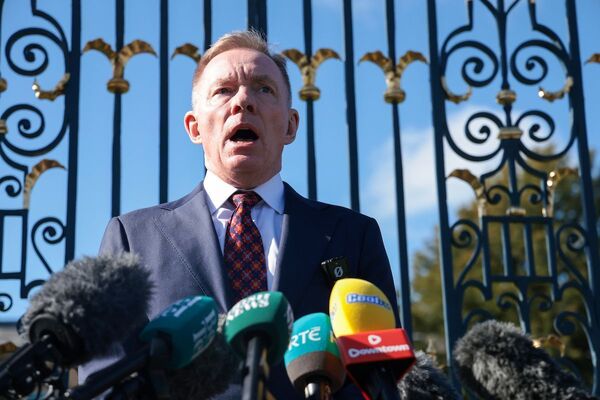
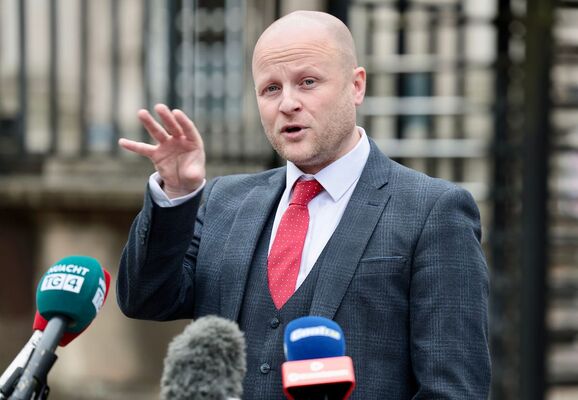
Not without reason has Féile garnered a reputation for providing a platform to voices from all backgrounds — including, in fact, those who terrorised this community but turned peacemakers. It's our hope that, this week's row over participation notwithstanding, this commitment will be undimmed in the future.
But it's the first Fleadh Cheoil na hÉireann in Belfast which is the crowning achievement of this transformative fortnight. Irish language billboards and bus stop ads across the city, Grand Central Station dressed in striking Gaeilge hoardings, a building site levelled to provide space for a TG4 live broadcast marquee in Castle Street, the advent of bilingual signage in our premier arts hub The MAC...we could go on.
Suffice to say that day by day change is visible. With all due respect to CS, we dearly hope that will continue to be the case when this tremendous trifecta of events has passed.