If 290 deaths in a year do not justify immediate action, what does? How many more lives must be lost before full funding becomes a priority?
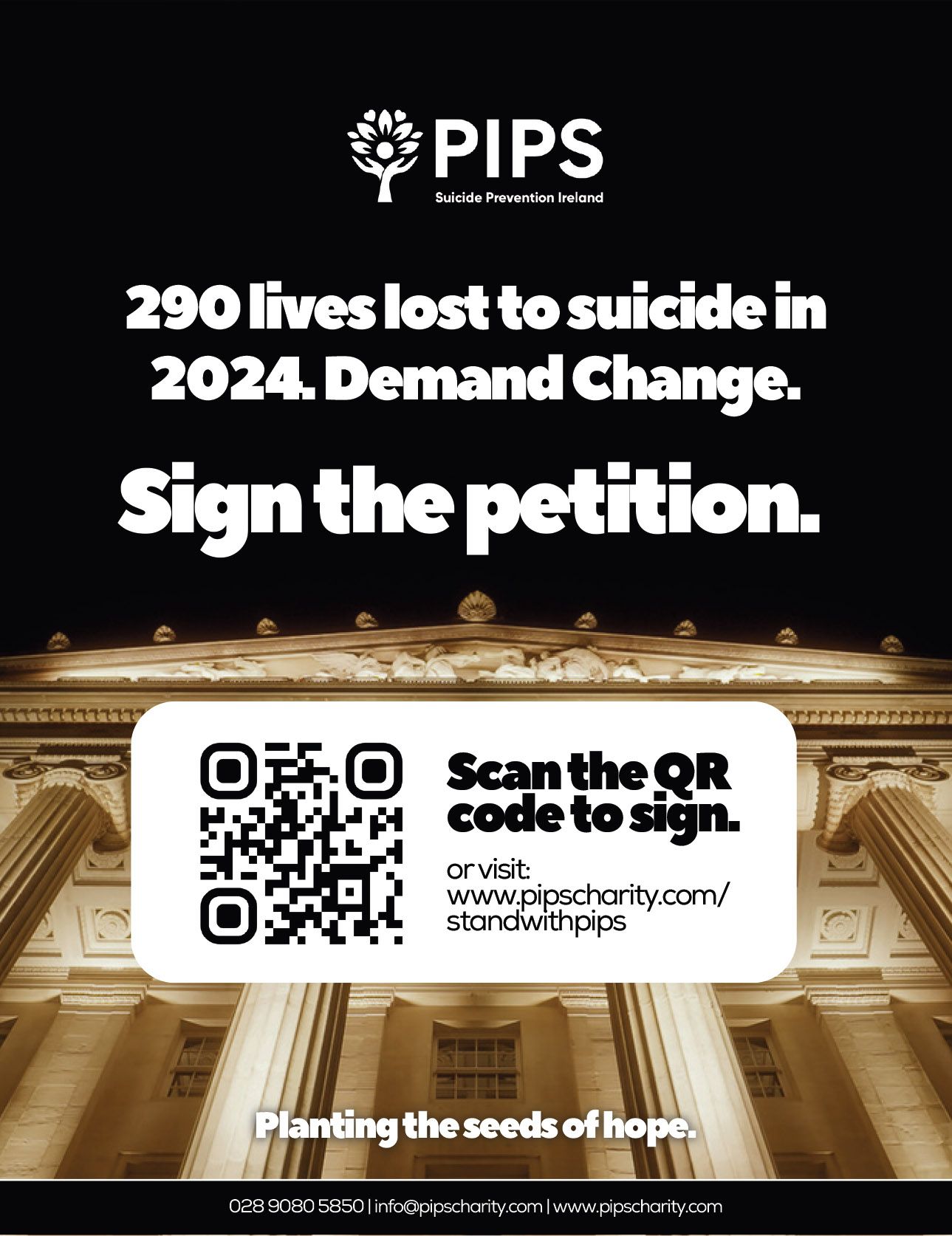
Five years into a ten-year Mental Health Strategy, only 16 per cent of that strategy has been funded. That is not a technical failure, it is a moral one. In 2024, there were 290 registered deaths by suicide in Northern Ireland, a 31 per cent increase on the previous year. These were not inevitable deaths. They were preventable. And every delay in delivering fully funded mental health services carries a human cost.
Delay in a suicide crisis is not neutral. It is a risk factor.
Families across Northern Ireland are already living with the consequences of inaction. Frontline services are stretched to breaking point. Crisis and peer-led supports are expected to respond to rising demand without the stable, long-term funding that saves lives. Communities are being asked to absorb losses that no society should accept as normal.

In this context, the announcement of an All-Party Group Inquiry into suicide prevention funding should give pause. Not because scrutiny is unwelcome, but because the evidence already exists. Clinicians, charities, families, independent reviews, and coroners have been warning for years that underfunding costs lives.
Announcing another inquiry without guaranteed funding or clear timelines is not progress, it is a political choice to delay.
The proposal to disperse responsibility for suicide prevention across multiple government departments risks fragmenting accountability and weakening services. Suicide prevention requires clear leadership, expert delivery, and sustained investment. Dispersing responsibility is not leadership, it is avoidance.
The problem is not where the funding sits. The problem is that it isn’t being provided when we see it can be for other priorities. Moving responsibility away from the Department of Health or diluting funding streams will not save lives. Crisis intervention saves lives. Stable, long-term funding saves lives. Process does not. A strategy funded at 16 per cent is not a strategy. It is a failure.
Supporters of further inquiry argue that suicide is complex and demands a whole-of-government approach. That is true, but complexity cannot be used as cover for inaction. Housing, education, and employment matter deeply, but they do not replace the need for immediate, properly funded crisis services. Upstream policy does not help someone who is in crisis tonight.
Every month spent re-examining what is already known carries a human cost. Every month without funding leaves people in crisis without support. When government delays action on suicide, people die.
More than 4,500 people have already signed our public petition demanding full funding of the Mental Health Strategy. Communities are not asking for more reports. They are asking for action.
We have written to all MLAs setting out these concerns and asking for clear commitments on funding and timelines. We now await their response.
MLAs should be asking hard questions, publicly. Why is more evidence being sought when the problem is already known? What is the fixed deadline for this inquiry? Will it lead to immediate funding decisions, or recommendations that can be deferred? And how many more deaths are considered acceptable while funding is delayed?
This is not about politics or process. It is about whether preventable deaths are being accepted as the cost of delay.
The Executive must act now. Full funding of the Mental Health Strategy must be delivered immediately, with clear timelines and measurable milestones. Anything less is a failure of responsibility.
On behalf of the 290 registered deaths by suicide in 2024, and the families, frontline workers, and communities left behind, the message is simple: the time for inquiry without action is over.
Lives depend on it.
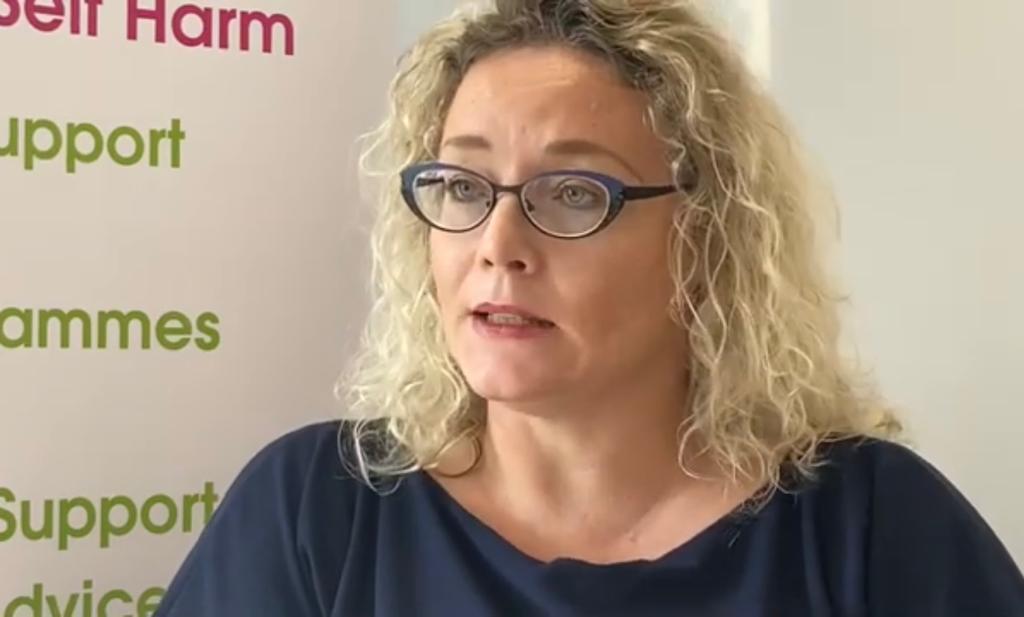
Renee Quinn, CEO, PIPS Suicide Prevention Charity