COMPLAINTS this week from some of the biggest hospitality operators in town over soaring rates bills are easy to dismiss as more whining from the usual quarters.
After all, when business is booming, shouldn't those who benefit most be obliged to make a bigger contribution to the public purse?
And, with rate increases on hotels, restaurants and bars based on turnover, any hike is, at least in theory, based on ability to pay.
It's fair to ask, however, if increasing the rates bill of one South Belfast hotel from £49,000 to £133,000 — a decision branded "scandalous" by its owner — is proportionate or fair.
And could higher rates bills depress the very economy the Executive is pledging to support?
The dilemma facing the government is that it has a target to meet with property taxes and any shortfall translates into even poorer public services. Hence the constant moving of deckchairs on the Titanic — if one area pays less, then another, this time around – hospitality – must pay more.
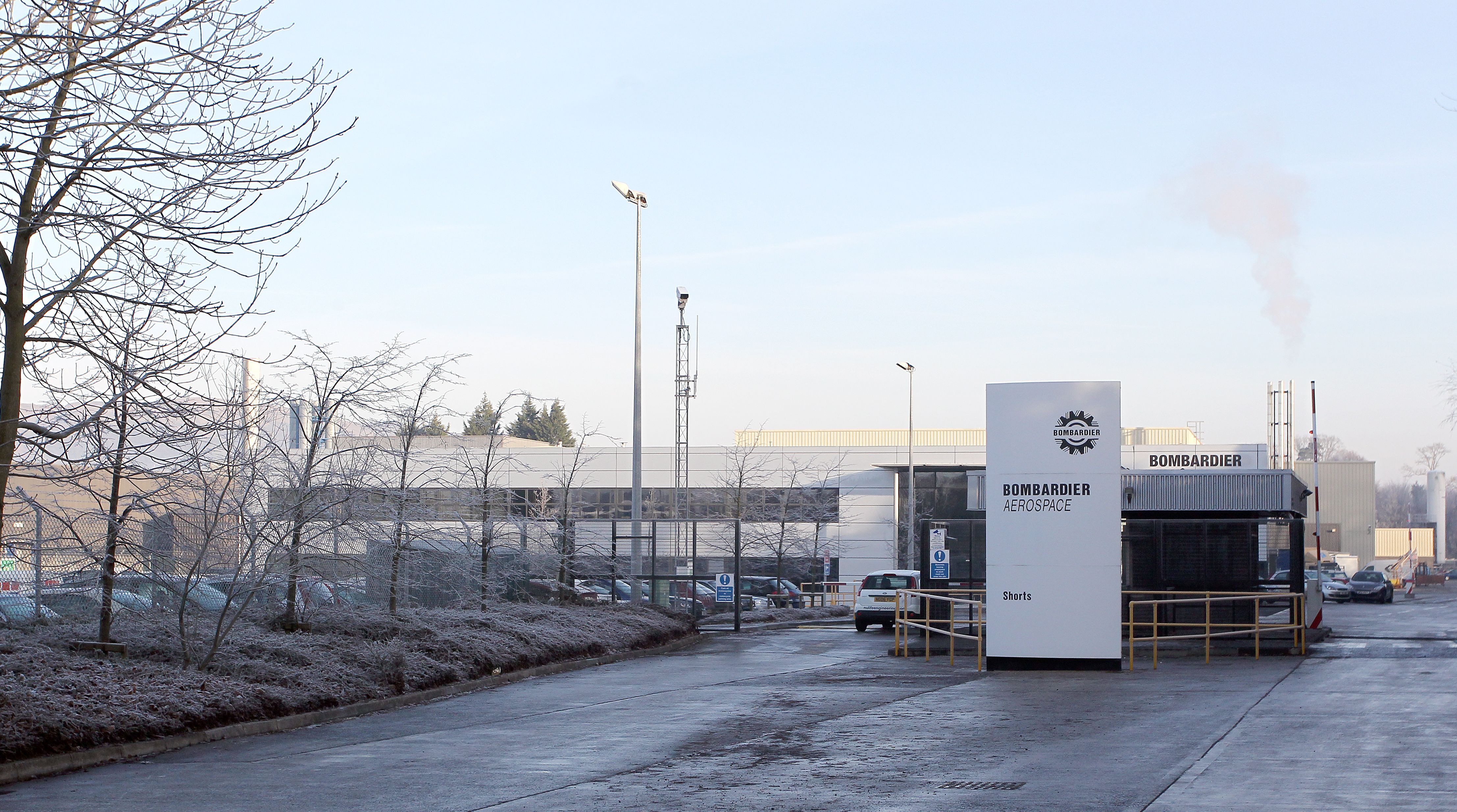
There is, of course, an alternative hiding in plain sight which the Executive could deploy. That is to raise the rates of mammoth manufacturing enterprises like Short Brothers, which receive an over-generous discount of 70 per cent on their rates bill. Looked at another way, this is a subsidy to Short Brothers — of a type not enjoyed by, for example, the hospitality industry.
In practice, this policy means that a chip shop on the Falls Road is taxed at a higher rate than an American multinational such as Terex which has a manufacturing plant in Co Tyrone.
The much-vaunted dual market access, the so-called (with some justification) "best of both worlds" bequeathed by Brexit, means that a manufacturer in the North of Ireland can export to Birmingham or Berlin without tariffs. No other region of Europe enjoys this 'special economic zone' status which, it is hoped, will attract more manufacturers to set up shop in this jurisdiction.
If this new wave of investment materialises, it would present a perfect opportunity for Stormont to reduce the 70 per cent relief for these global behemoth manufacturers to, say, 50 per cent. Half-price rates would be seen by most homeowners as a pretty good deal so one presumes it could be introduced in the industrial sector with comparative ease.
Ultimately, as the saying goes, taxation is the price of civilisation. Those who argue for lower taxes and lower public spending should know that failing to invest in our infrastructure and services comes with a price. For example, the failure over decades to invest in our water and sewerage systems means thousands of planned homes go unbuilt, thus pushing up house prices for first-time buyers. As a consequence, unable to find an affordable home, our young people emigrate, further weakening society.
That the Executive needs more funding goes without saying. The problem is that choices to date have impacted more on the smaller business person than on the corporate giants. Isn't it time, therefore, that those with the broadest shoulders bore a fairer share of the rates burden?