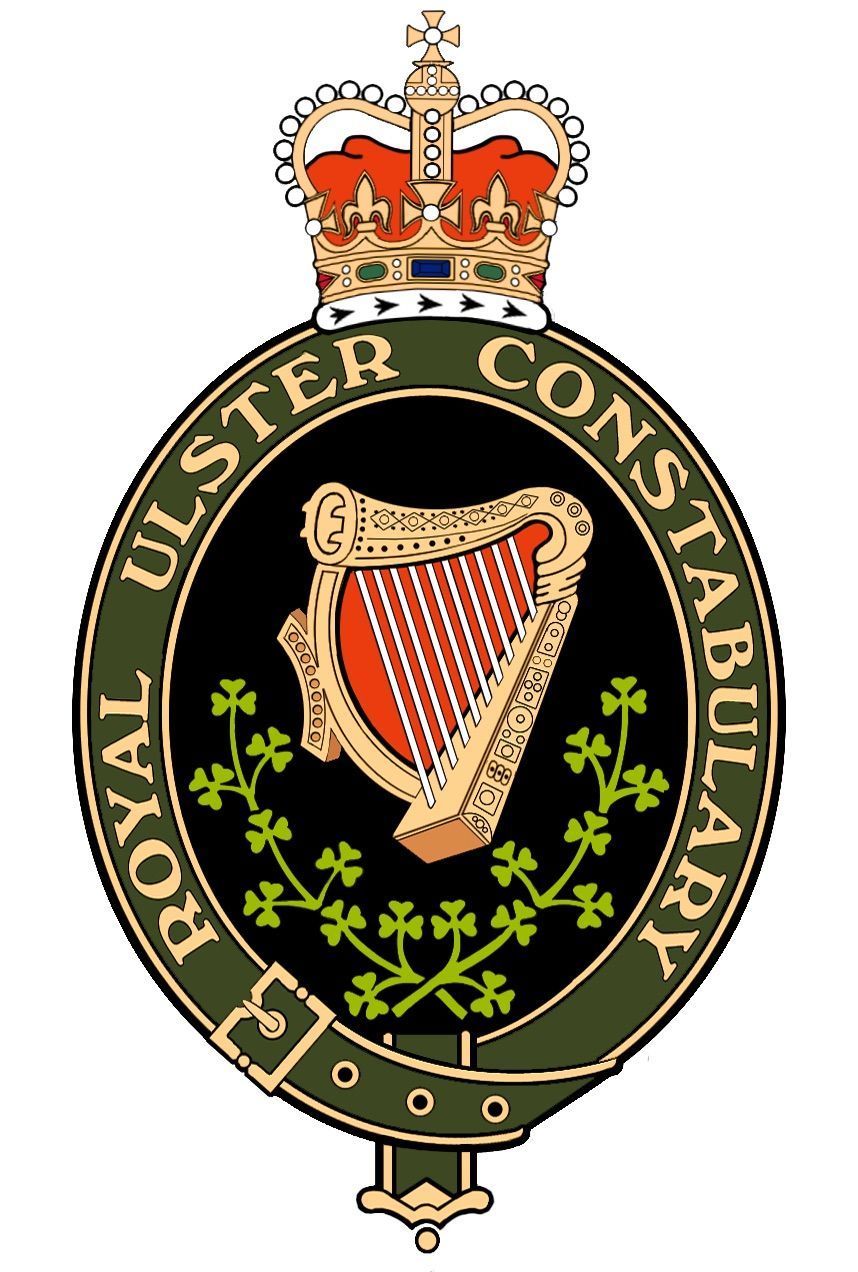
GIVEN the generous approach of nationalists to the peace process – the other cheek turned, the open hand proffered – there may be a temptation to simply ignore the ongoing and desperate efforts by unionist spokespersons to restore the tarnished reputation of the RUC.
Indeed, most fair-minded people considered that debate closed with the disbandment of the disgraced force.
And yet still it rears its ugly head in the strident demands of unionist leaders that RUC collusion with loyalist paramilitaries (and, let it be said, with republican informers) be airbrushed from the history books. Erasing the RUC record of arming, staffing and directing murderous gun-gangs is of course a prerequisite to saluting the force with statues, ceremonies and reunions.
No nationalist would object to supporters of the RUC having their own reading of history. What is objectionable is when those supporters insist their version and their version alone of our past is to be accepted by all. With the corollary of course that those who don't toe the line are despicable miscreants who should not be allowed to mingle with their betters.
We have been here before: a ban on funding to community groups in West Belfast, councillors being barred from civic functions, blocks on public appointments. Only a fool therefore would readily sign up to the campaign to rehabilitate the RUC, for in some parts the past really is prologue.
In order to promote the peace, those who had suffered from decades of RUC abuse, harassment and murderous assault were, largely, willing to embrace a new start to policing.
What they weren't willing to accept – and didn't sign up to – was the suggestion that support for the PSNI equates to support, even after the fact, for the RUC. After all, accepting that rewrite of our past would criminalise the entire nationalist community and its struggle against an unjust system held in place by the RUC. PSNI leaders trying to increase recruitment from the nationalist community should reflect long and hard on that.
The RUC was kicked to the kerb quite simply because peace was impossible while it existed. That will be its enduring legacy for those at whom its guns were aimed. The award of the George Cross was an unsubtle sop to the force and its supporters and it was a sop that stuck in the gullet of many of the RUC’s victims. It was swallowed and tolerated for the sake of the future. But that toleration had a finite shelf life.
The Good Friday Agreement promise of equality for all allowed those who fought and those who suffered to remember the past in their own way.
To step away from that principle by accepting the British/unionist view of our troubled past will open the door to a repeat of the discrimination thought to have been consigned to history.
And that, for nationalists, would be a Burntollet bridge too far.