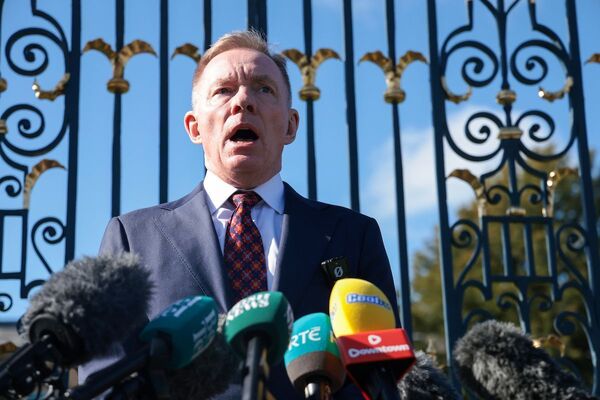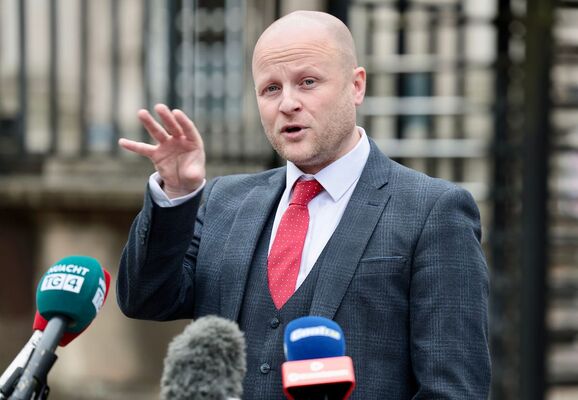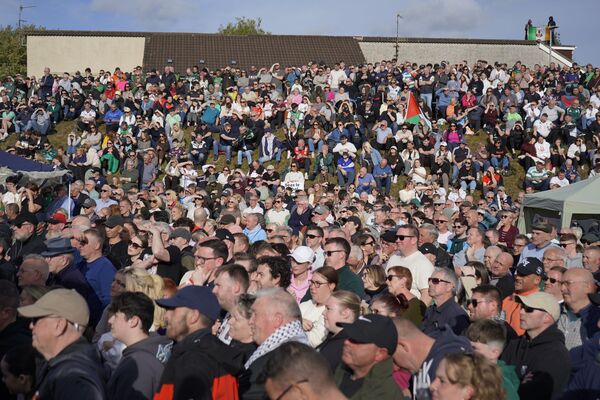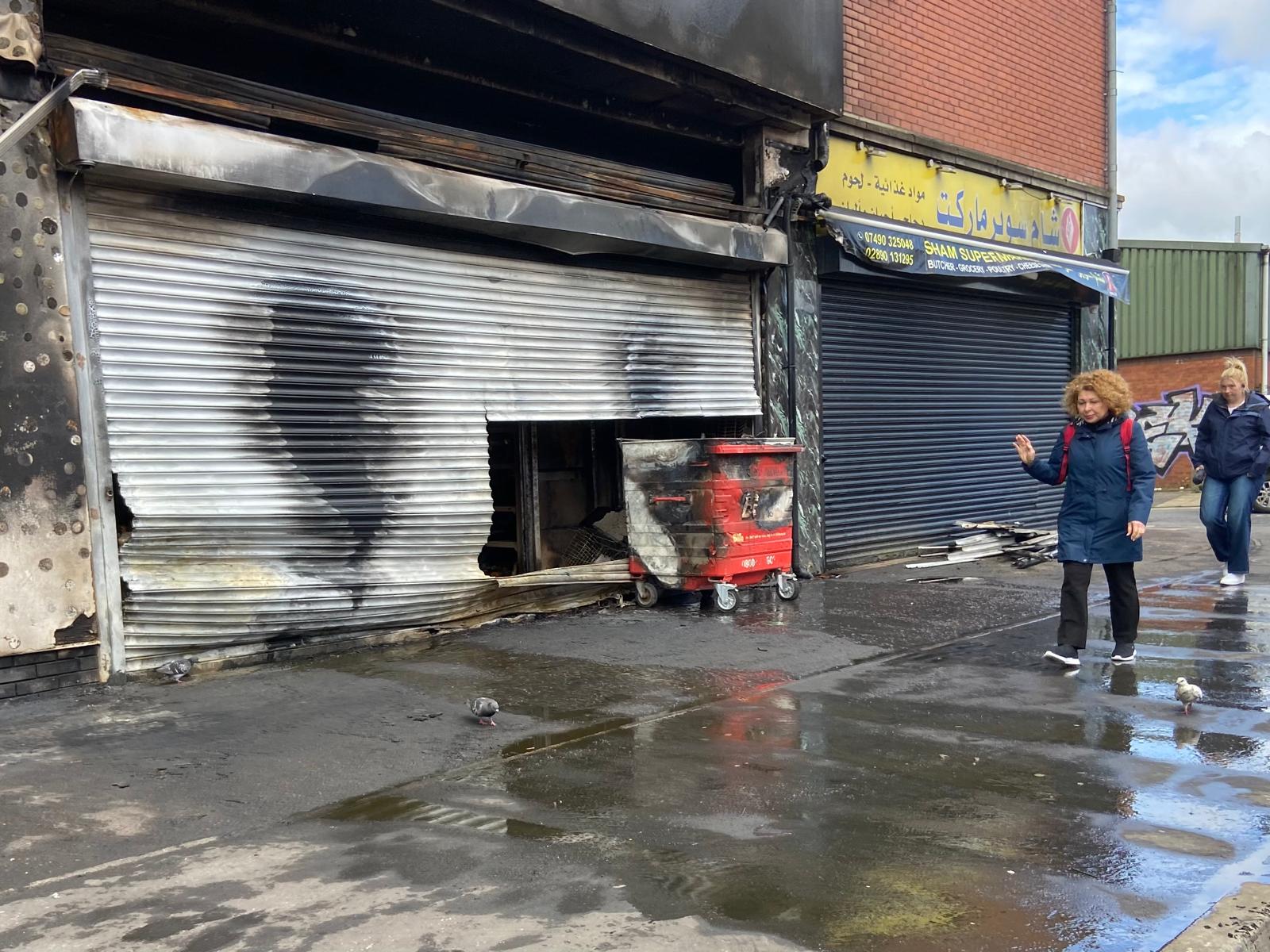
THERE is an old but perfectly apt Belfast aphorism which best captures the nationalist community's reaction to PSNI claims that loyalist paramilitaries were not behind attacks on our ethnic minorities over the past week: "Do you think I came up the Lagan in a bubble?"
The dogs in the streets in working class unionist areas of the city can cite the names and ranks of the ringleaders. Hardened, experienced journalists have written about them. And yet the PSNI, one week on from the June 9 pogrom, still can't bring itself to point the finger of blame at loyalist 'community leaders', AKA paramilitary overlords, who set loose these dogs of war on innocent people of colour.
Instead, we are supposed to believe that the mobs which blocked roads, set up illegal roadblocks, checked IDs and then, ultimately, torched homes were just a bunch of ne'er-do-wells who bumped into each other on a street protest.

The fact they came dressed in black and wearing face masks and then acted in a coordinated fashion to wreak havoc seems not to have amounted to the type of 'evidence' that the PSNI said they need to have before calling out the toxic behaviour of the paramilitaries. Even when police came under a coordinated, hours-long assault from a brigade-size cohort of men at Sandyknowes on June 10, it appears that no one at Knock PSNI headquarters could be convinced that here were the same paramilitaries who are a scourge on the unionist heartlands of North Belfast.
You may well ask, who else has the power and authority to close down entire unionist neighbourhoods, burn buses, threaten businesses and block roads but loyalist paramilitaries?
Yet the PSNI remains mute. In the process, of course, the force's credibility is shredded once again.
They say that history doesn't repeat itself, but, as Seamus Heaney pointed out, it does sometimes rhyme. And indeed this failure to call out loyalist paramlitaries will remind our older readers of the RUC and British government refusal to call out UDA paramilitaries during the height of their campaign.
Indeed, it wasn't until 1992, twenty years after it started its murder spree, that the British government deigned to ban the UDA.
It would be perverse to compare the enormity of epic acts of collusion to the PSNI failure to take on loyalist paramilitaries today – suffice to say that it has ugly echoes of our dark past.
It may very well be that the PSNI don't want to call out the UDA and UVF — or factions thereof — for orchestrating last week's orgy of racist violence. For, after all, they tell us they don't have the resources to take on these semi-covert forces. But trying to gaslight the community over the nefarious role these paramilitaries continue to play in our society serves only to embolden their faceless leaders.
We were promised a fresh start to policing. Unfortunately, this approach to loyalist paramilitaries seems all too familiar.