IT’S amazing what you can get away with if only you look serious enough.
Thís week Dúlra walked through Templepatrick Golf Course carrying not a golf club but a net on a long pole. Oh, and two empty lunch boxes.
And he didn’t attract even a sideways glance from the many golfers there enjoying the March sunshine.
The net is one of those you buy for the kids in a seaside shop and then it sits all year gathering dust at the back of the shed. But every spring, Dúlra reaches in for it – it’s time to get some tadpoles.
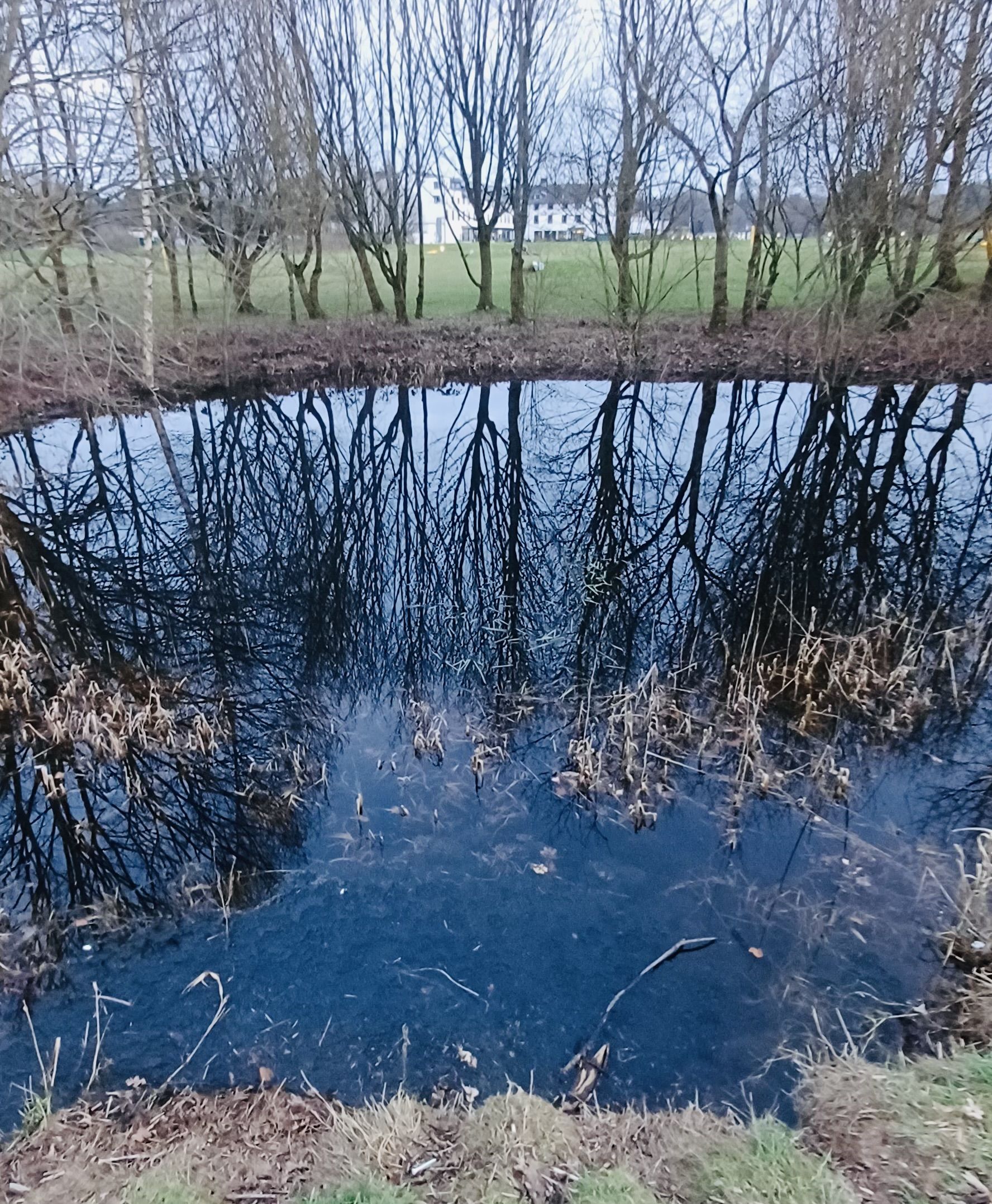
Golf courses like Templepatrick have many water hazards which make perfect homes for frogs. And after a golfing pal mentioned a few years ago that the ponds here were full of spawn, it has become Dúlra’s go-to place to get them.

Last year the frogs were still breeding at the pond at the 10th hole when Dúlra visited, the females laying their vast plumes of eggs before his eyes. That was in February; by March, the adult frogs have disappeared to live beside the lost balls in the undergrowth, leaving their offspring to slowly develop in the cold water.
Dúlra dipped the landing net in and scooped up enough to fill the two lunchboxes. Frogspawn is so common that it’s perfectly legal to take some – when a single frog can lay 4,000 eggs, they're far from endangered.
SEASONAL HAUL: Frogspawn in Tupperware ready to be decanted into the garden pond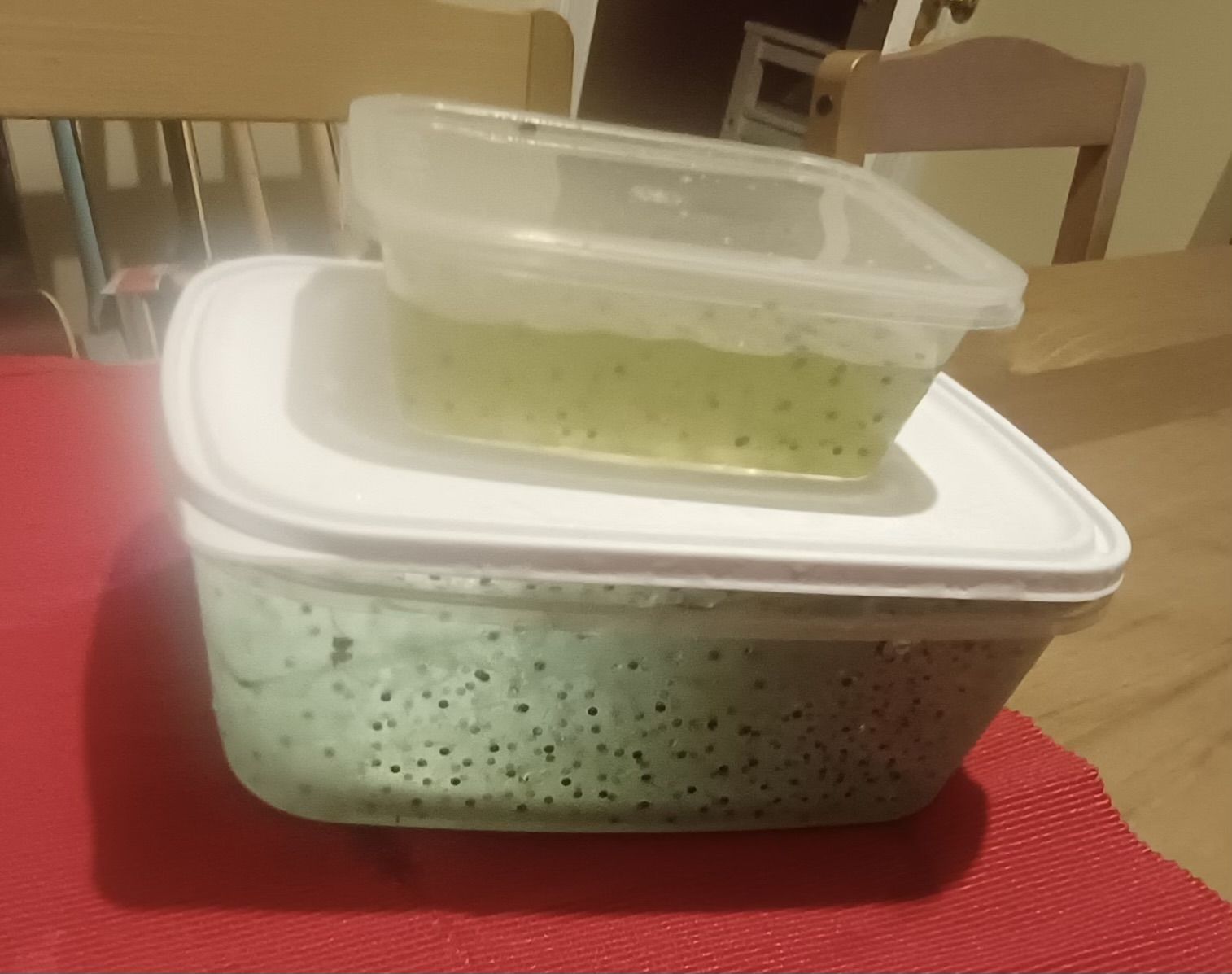

And people who take them will give them a much better home than they get in the wild. Dúlra covers his wee garden pond with plastic netting to ensure birds can't dine on their favourite delicacy – last year every last one of the hundreds of tadpoles made it to adulthood, including those donated by Gerry Adams. In the wild, just one in 50 will survive to adulthood.
Maybe next year they’ll return to the pond to lay their own spawn – they start breeding after about three years – but until then, Dúlra has to replenish the pond himself.
The big lunch box contained countless eggs, and they are now in their new home, slowly developing like a primordial soup. The small lunch box had a special destination – Coláiste Feirste. They are now under the watchful eye of students there who will see them magically turn into tadpoles and then frogs, hopefully before the summer holidays.
Every school should ‘grow’ frogs – it’s a miraculous event that never fails to amaze, no matter how many times you see it happening. It’s like real-life science fiction!
The only care they need is to ensure that once they turn into frogs they can climb out – if the edge is too steep, the tiny frogs will drown.
Their real challenge comes once they leave the pond. Frogs are eaten by almost every creature out there, from hedgehogs and herons to blackbirds and badgers. But they have a knack for survival. When a single female can produce 4,000 offspring, their survival is built in.
Dúlra will watch his tadpoles every day with the same wide-eyed amazement as those Coláiste Feirste pupils as nature performs a miracle.
Meanwhile, birds are pairing up in preparation for the breeding season, nd this year Dúlra might have a first – a pair of long-tailed tits.
They will probably disappear back to the mountain any day now, but the fact that they are still at the garden feeders might mean they are seriously considering building their tiny nest in a nearby hedge.
These birds hang about in family groups all winter, before splitting into pairs in spring. The meantán earrfhada is one of Ireland’s most remarkable birds and their nest is equally remarkable, made of cobwebs and looking much like a tennis ball.
Dúlra must admit a certain selfish interest in hoping the birds nest in his garden – it’ll be a great excuse not to cut the hedges!
•If you’ve seen or photographed anything interesting, or have any nature questions, you can text Dúlra on 07801 414804.