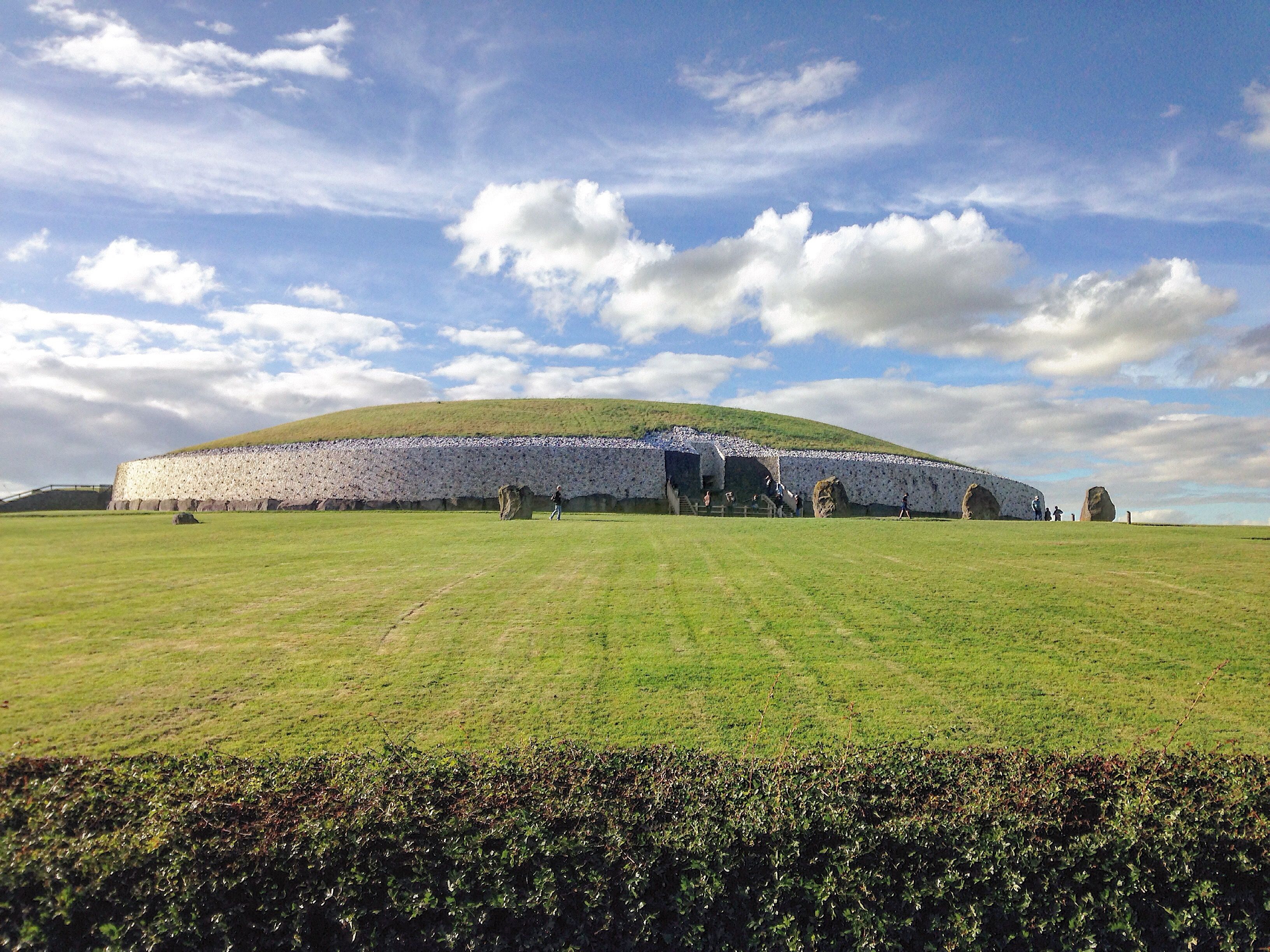
IT’S no surprise that our ancestors were intoxicated by the idea of midsummer. So intoxicated that they built a temple to it at Brú na Bóinne in County Meath, a place that is now one of the wonders of the world.
The underground chamber at Newgrange (Sí an Bhrú) lights up just one day a year – winter solstice – when the sun is at its lowest. It was designed 6,000 years ago so that only on that day can the sun’s light enter the tomb, when it does for just 17 minutes.
Dúlra remembers as a journalism student in Dublin, the class was asked if anyone was interested in going to Newgrange to see the winter solstice. Somehow the course had been given an invitation – and incredibly, looking back, there were no takers!

Maybe it was partly because the magic of the illumination had only been rediscovered in 1967, and it took a while for the importance of the mystery to grab the public’s attention.
And maybe it was the fact that it was in the middle of the Christmas holidays!
Dúlra didn’t quite understand at the time what Brú na Bóinne was – today he’d sell his house to be there this December 22. But the truth is that it’s something money can’t buy. Only 14 people fit inside the tomb, and they are drawn by a free lottery – six winners and their partners, along with two guides.
And those special guests will feel like druids of old entering a temple before dawn as outside more than 2,000 (jealous) people gather in freezing conditions to mark the occasion.
The lottery is free to enter – Dúlra’s just did it – along with 30,000 others. Other lotteries are for vast fortunes – this one is for something even more valuable. The draw takes place in September and Dúlra is, as ever, optimistic!
And he’ll be thinking especially of that application come Sunday. Because that day is just as special as the winter solstice – midsummer’s day.
Winter solstice was marked by our ancestors because it represented the turning of the seasons. It meant that hope was finally returning as days begin to get longer once more. That cycle of hope continues until June 21, when again the days start to wind down.
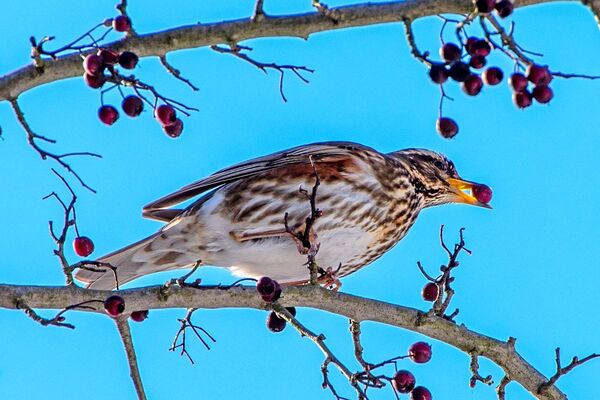
It’s at this time of year that nature is almost drunk on success. The days are so long – on Sunday we’ll have 17 hours of daylight – that’s 17 hours for birds to fill their bellies.
The hedges are full of chicks as birds take advantage of those long hours to breed. Take a walk in the countryside, and you could be forgiven for thinking you’ve been transported to France or another European country, with deep green hues, flowers aplenty and fluttering butterflies. Everything is at or nearing its peak.
The newly-fledged birds must think it’s always going to be like this. Come next Monday, they won’t notice the couple of minutes being salami-sliced from the day. It might take a few months for them to notice that things are getting gradually more difficult – the days are much shorter and even when they see the glorious sun, it’s somehow weaker.
The people who lived at Brú na Bóinne finally solved that mystery. They were able to count the days down until mid-winter in the knowledge that they were turning a corner and that after that date, things were looking up.
Maybe that’s why they marked mid-winter rather than midsummer.
Of course, those mid-points in the year don’t mark the worst or best weather – the globe continues to heat up and cool after the solstices, which is why we’re hottest in July.
This Sunday, however, will be peak Ireland, as good as it gets as regards daylight. And there’s only one way to go from there – down!
So Dúlra will enjoy Sunday and take time to keep an eye out for bats and badgers and foxes, who won’t have the cover of darkness. And this year he’ll not be so depressed as the days shorten – he's got the winter solstice in Newgrange to look forward to!
• If you’ve seen or photographed anything interesting, or have any nature questions, you can text Dúlra on 07801 414804.