THE global humanitarian system is facing significant challenges. At a time when need has increased because of conflict and the effects of climate change, funding has been slashed.
In 2025 the United States, historically the world’s largest humanitarian donor, slashed contributions that accounted for 43 per cent of global government humanitarian funding. In recent weeks the UK has announced that it will implement cuts of 40 per cent. Other countries including Germany, Sweden, Belgium, France, Canada and the Netherlands have also cut aid budgets.
A new study published in medical journal The Lancet estimates that by the end of the decade, up to 22.6 million people could die if the United States and other Western donors continue to slash foreign aid. Tens of millions more could be pushed into poverty, threatening decades of progress in reducing poverty levels in the Global South.
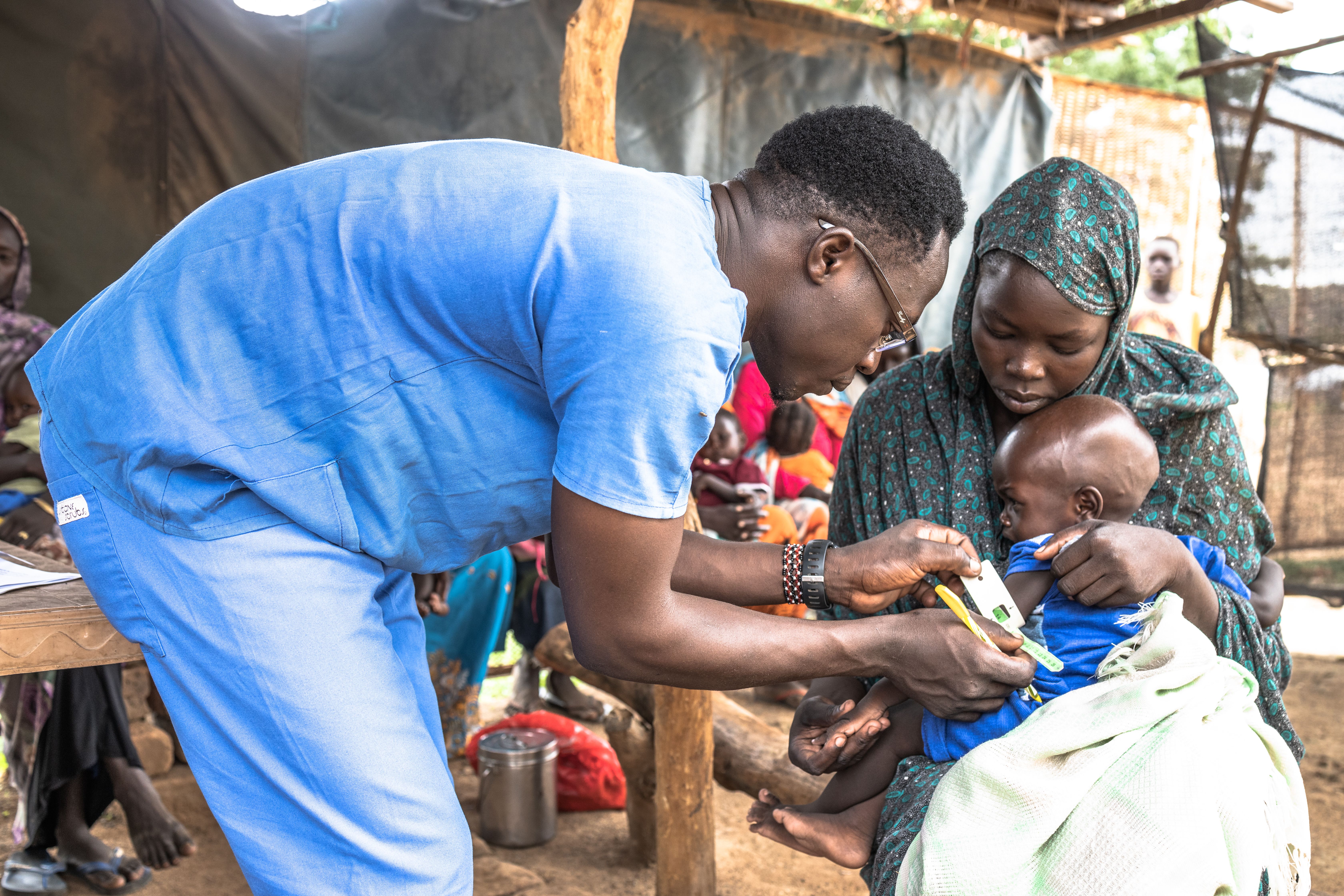
Seán Farrell, CEO of Trócaire, says the cuts to humanitarian funding across the world are already having huge impacts in the countries where Trócaire works. “We are seeing catastrophic deficits in terms of what is needed. Next week marks three years since the start of the latest conflict in Sudan. Sudan today is the world’s biggest humanitarian crisis with 25million people in need of aid and 12 million having had to flee their homes. There is widespread acute malnutrition. The funds are just not there at the level that they need to be to support communities coping with this life-threatening situation.
“In Somalia, where Trócaire provides the only healthcare to a region the size of Ireland, our midwives are being put in the devastating position of having to choose who gets treatment as there just aren’t enough resources to cover the need. Our team in Lebanon has seen people having to face incredible challenges because of the current conflict there and they are working in the most difficult circumstances.
“The irony is that at the same time that these cuts are implemented by various countries and are impacting on people caught up in conflict, we are seeing a huge increase in military spending by those same countries. We need to call out this disgraceful state of affairs. Twice as much is being spent on prolonging the conflict in Sudan as is being spent on life-saving humanitarian aid there.
"The UK has directly linked cutting ODA, which builds stability, peace and prosperity, to massively increased military expenditure,” Seán Farrell said.
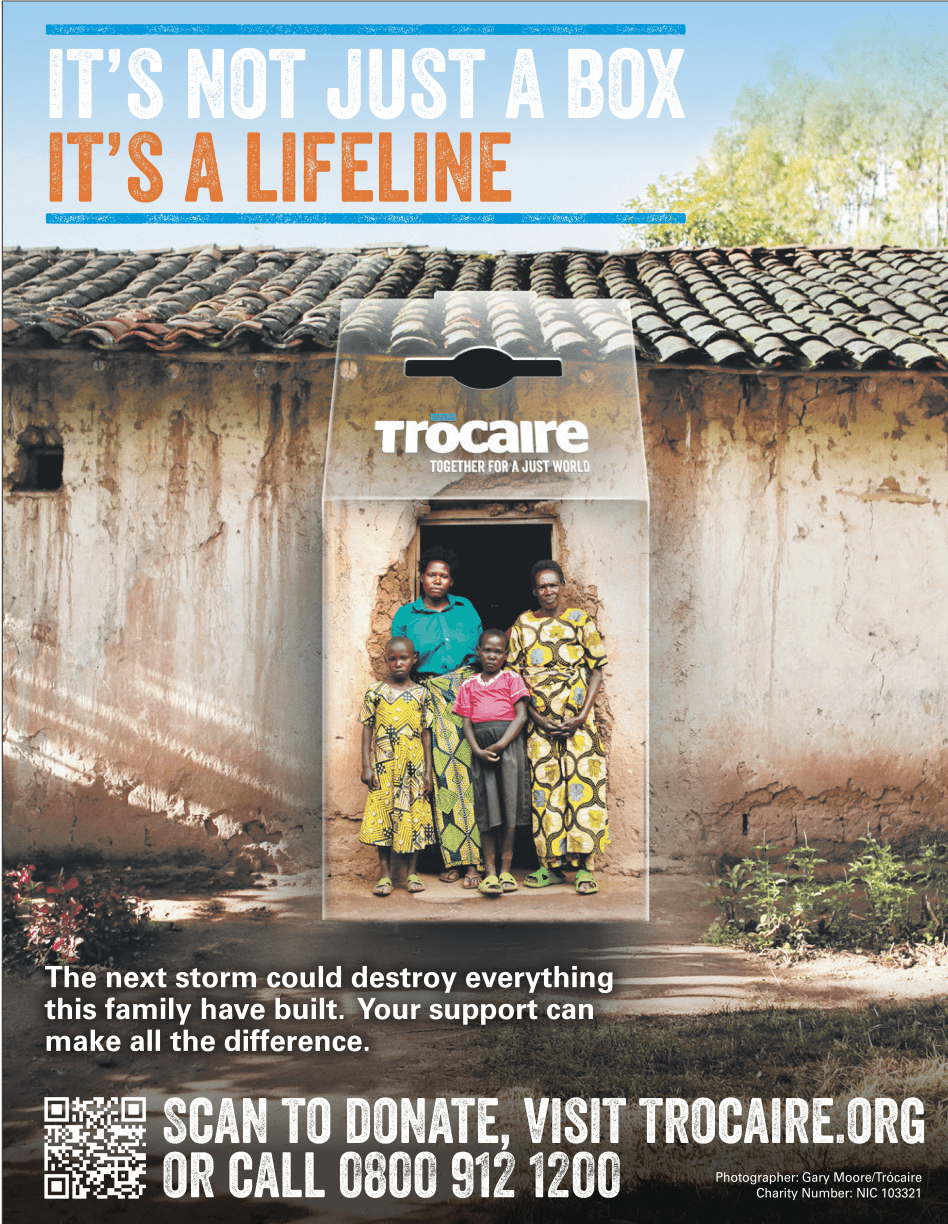
“However the people of Northern Ireland have been unflinching in their support of the world’s most vulnerable communities and the difference this support has made, and continues to make, is humbling. I am issuing a plea to people in Belfast and right across Northern Ireland to return their Trócaire Box Appeal donations as quickly as possible so that we can ensure that communities on the brink can get the support they need at this precarious time.
“I would urge people to make their donation at www.trocaire.org or by calling 0800 912 1200.”